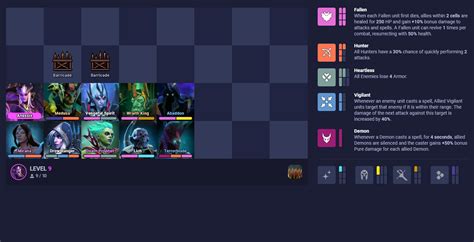
How to optimize your current build for new meta PvP/PvE challenges?
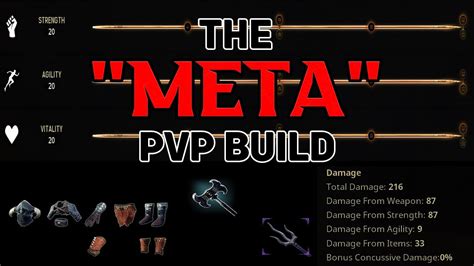
In the ever-evolving landscapes of online gaming, what was once a dominant character build can quickly become obsolete with the arrival of new patches, balance changes, or player discoveries. Staying competitive in both Player-vs-Player (PvP) and Player-vs-Environment (PvE) content demands a proactive approach to build optimization. This guide will walk you through the essential steps to adapt your existing setup to conquer the latest meta challenges, ensuring your efforts remain impactful and rewarding.
Understanding the New Meta
The first step in any optimization process is to thoroughly understand the new meta. This involves more than just glancing at patch notes. Dive deep into community discussions, watch top-tier players and streamers, and analyze build guides emerging from competitive scenes. Identify what archetypes are performing well, which abilities or items received buffs or nerfs, and what new strategies are being employed. Pay attention to both statistical changes and subtle shifts in playstyle that define the current landscape.
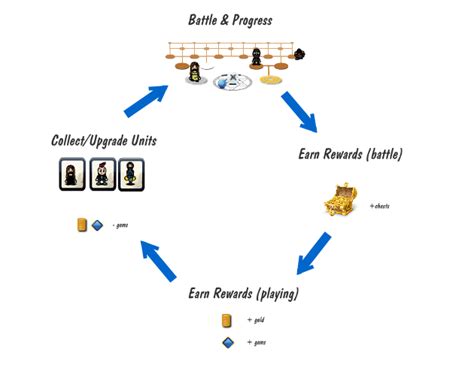
Assessing Your Current Build
With a clear understanding of the new meta, critically evaluate your current build. What are its core strengths and weaknesses in this new context? Does your primary damage source still hold up? Is your survivability sufficient against new threats? Identify which components of your build are fundamental to your playstyle and which are flexible. Often, only a few key pieces of gear, a couple of skill points, or a specific talent choice might need adjustment to bring your build back into relevance without a complete overhaul.
Strategic Adjustments for PvP
PvP metas often revolve around counter-play, burst potential, and crowd control. If the meta shifts towards high burst damage, consider integrating more defensive utility, crowd control resistances, or immediate healing/shielding options. If sustained damage is key, ensure your resource generation and damage over time effects are maximized. Look for opportunities to exploit common enemy weaknesses or enhance your ability to shut down popular build archetypes. Small changes to trinkets, enchantments, or specific skill variants can often yield significant results.
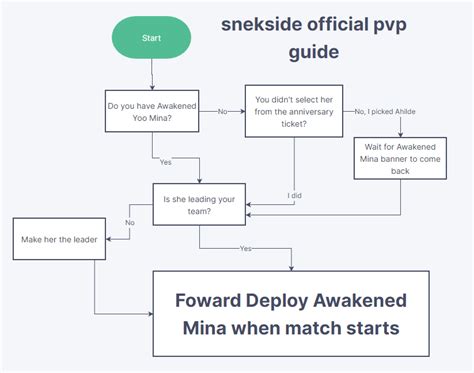
Optimizing for PvE Challenges
PvE optimization usually focuses on efficiency, damage output, and utility for specific encounters. New raids or dungeons often introduce mechanics that favor certain damage profiles (e.g., cleave vs. single target), specific resistances, or unique utility skills. Analyze boss abilities and trash pack compositions. You might need to reallocate talent points for better area-of-effect (AoE) clear, enhance your specific target damage for boss phases, or swap out gear for pieces that offer crucial defensive stats or utility for new mechanics. Communication and synergy within a group are also paramount, so consider how your build contributes to the team’s overall success.

Fine-Tuning and Practice
Theorycrafting is just the beginning. Once you’ve made your adjustments, it’s crucial to test them in real scenarios. Spend time in practice arenas, target dummies, or lower-tier content to get a feel for the new build. Refine your rotation, understand new timing windows, and identify any unforeseen synergies or shortcomings. Don’t be afraid to iterate; sometimes a small tweak based on practical experience can make a world of difference. Additionally, ensure you’re utilizing appropriate consumables – potions, flasks, food buffs – as these can provide a significant edge in challenging content.
![[100+] Gaming Pc Pictures | Wallpapers.com](/images/aHR0cHM6Ly90czEubW0uYmluZy5uZXQvdGg/aWQ9T0lQLmRQZ1J1d1FNREdMMlVCUDcyTHotRFFIYUU4JnBpZD0xNS4x.webp)
The Continuous Cycle of Adaptation
The meta is not static; it constantly evolves. What works today might be suboptimal tomorrow. Cultivate a mindset of continuous learning and adaptation. Stay engaged with game updates, community discussions, and your own performance data. Regularly review your build, compare it against new trends, and be prepared to make further adjustments. This iterative process is key to long-term success and enjoyment in any competitive online game.
Optimizing your build for new meta challenges is an ongoing journey that combines research, critical thinking, and practical application. By consistently analyzing the landscape, assessing your tools, and making informed adjustments, you can ensure your character remains a formidable force, ready to tackle whatever new content comes your way.