What daily practice routines maximize skill growth for aspiring esports players?
Aspiring esports players often dream of the big stage, but the path to professional gaming is paved with disciplined, consistent practice. Simply playing games for hours isn’t enough; maximizing skill growth requires a strategic approach to daily routines. This article breaks down the essential components of an effective daily practice regimen designed to elevate your game.
The Foundations of Elite Esports Practice
To truly excel, players must focus on several interconnected pillars: mechanical skill, game knowledge, decision-making, and critical analysis. A holistic routine integrates all these aspects, ensuring balanced development rather than over-specialization in one area.
1. Mechanical Warm-up and Drills (30-60 minutes)
Just like traditional athletes, esports players need to warm up. This phase focuses on fine-tuning motor skills, reflexes, and muscle memory. Depending on the game, this could include:
- Aim Trainers: For FPS games (e.g., Kovaak’s, Aim Lab).
- Laning Drills/CSing: For MOBAs (e.g., last hitting, jungle clearing routes).
- Combos/Execution Drills: For Fighting Games or complex ability sequences.
- Movement Mechanics: Practicing specific jumps, strafes, or movement patterns.
The goal here is precision and consistency. Avoid simply ‘playing’ during this time; it’s about targeted improvement.
2. Focused Skill Practice (60-120 minutes)
This is where you zero in on specific weaknesses identified through VOD reviews or in-game performance. Instead of passively queuing, dedicate time to actively working on one or two specific skills:
- Specific Map Strategies: Learning new angles, grenade lineups, or rotation timings.
- Matchup Practice: Deliberately practicing against specific champions, characters, or team compositions.
- Communication Drills: Practicing callouts, shot-calling, or information relay with teammates in custom games.
- Economy Management: For games where resource management is key, practicing optimal buying patterns or build orders.
Track your progress and adjust your focus regularly. Quality over quantity is paramount here.

3. Competitive Play / Scrims (2-4 hours)
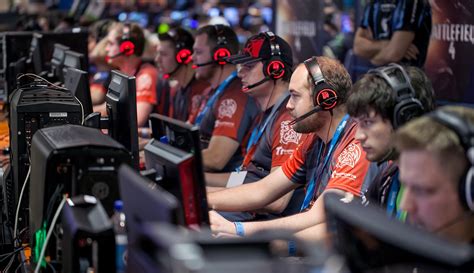
Once warmed up and focused, it’s time to apply what you’ve practiced in a competitive environment. This could be high-ranked solo queue, duo queue, or, ideally, team scrims against other organized teams.
- Solo/Duo Queue: Good for individual decision-making and mechanical execution under pressure. Focus on transferring learned skills to live scenarios.
- Team Scrims: Essential for developing team coordination, communication, strategic execution, and adapting to different opponents. This is where high-level game sense truly develops.
Crucially, every game played should be treated as a learning opportunity, not just a chase for wins. Actively think about your decisions and evaluate outcomes.
4. VOD Review and Analysis (60-90 minutes)
Perhaps the most overlooked, yet vital, component of skill growth. Reviewing your own gameplay (Video on Demand) or professional matches is critical for identifying mistakes, understanding optimal plays, and improving game knowledge.
- Self-Review: Watch your losses, but also your wins. Pinpoint specific moments: Why did you die? What was the optimal play? How could communication have been better?
- Team Review: If part of a team, review scrims together. Discuss collective mistakes, successful strategies, and areas for improvement.
- Pro Player Analysis: Study how top players approach similar situations, their decision-making process, and micro-executions.
This analytical phase transforms raw gameplay into actionable insights for future practice.

5. Physical and Mental Wellness (Ongoing)
No esports routine is complete without prioritizing health. Long hours of intense focus can lead to burnout, physical strain, and decreased performance if neglected.
- Breaks: Regular short breaks (5-10 minutes every hour) help prevent fatigue and maintain focus.
- Exercise: Incorporate light physical activity daily (e.g., walking, stretching, gym). This improves circulation, reduces stress, and boosts cognitive function.
- Nutrition: A balanced diet fuels your brain and body, enhancing reaction time and concentration.
- Sleep: Aim for 7-9 hours of quality sleep. Sleep deprivation severely impairs cognitive abilities crucial for gaming.
- Mental Health: Practice mindfulness, meditation, or engage in hobbies outside of gaming to manage stress and prevent mental burnout.
A healthy body and mind are your most important tools for sustained high performance.
Structuring Your Day: An Example Routine
While specific timings will vary, here’s a template for an aspiring player’s typical weekday:
- Morning (9:00 AM – 10:00 AM): Physical Activity & Healthy Breakfast
- Late Morning (10:00 AM – 11:00 AM): Mechanical Warm-up & Drills
- Midday (11:00 AM – 1:00 PM): Focused Skill Practice
- Lunch & Break (1:00 PM – 2:00 PM)
- Afternoon (2:00 PM – 6:00 PM): Competitive Play / Scrims
- Dinner & Break (6:00 PM – 7:00 PM)
- Evening (7:00 PM – 8:30 PM): VOD Review & Analysis
- Late Evening: Winding down, hobbies, prepare for sleep.
Conclusion
Maximizing skill growth in esports is a marathon, not a sprint. A well-structured daily routine that combines mechanical drills, focused practice, competitive application, critical analysis, and robust self-care is the blueprint for success. Consistency, discipline, and a willingness to constantly learn and adapt are the true keystones that will transform an aspiring player into a formidable competitor.