Best strategy to balance gaming guide SEO with user-friendly readability?

Creating comprehensive gaming guides is a rewarding endeavor, but optimizing them for search engines without sacrificing the player experience can feel like navigating a complex boss battle. The goal is to rank high enough for players to find your invaluable advice, while also ensuring that advice is clear, concise, and enjoyable to read. This article will explore a strategic approach to strike that perfect balance, making your guides both discoverable and delightful.
Understanding Your Audience and Search Intent
Before diving into keywords and meta descriptions, it’s crucial to understand who you’re writing for: the gamers. Are they looking for a quick solution to a specific puzzle, a detailed walkthrough for an entire game, or advanced strategies for competitive play? Their intent dictates the type of content and the keywords they’ll use. Conduct thorough keyword research focusing on long-tail queries like “how to beat [boss name] in [game]” or “all [collectible] locations [game name] chapter 3.” Tools like Google Keyword Planner, Ahrefs, or SEMrush can be invaluable here. Pay attention to common questions asked on forums and community platforms.

Implementing SEO Best Practices Intelligently
Once you have your target keywords, integrate them naturally throughout your guide. This isn’t about keyword stuffing, which can harm both readability and SEO. Instead, think about strategic placement:
- Title & Headings: Your main title should be compelling and include your primary keyword. Use H2 and H3 tags for section titles, incorporating related keywords where appropriate. This provides structure for both search engines and readers.
- Introduction: Naturally weave your main keywords into the opening paragraphs, clearly stating what the guide will cover.
- Body Content: Sprinkle relevant keywords and synonyms throughout the body text. Think about semantic SEO – Google understands related concepts.
- Meta Description: Craft a compelling meta description that includes your primary keyword and entices users to click, summarizing the guide’s value.
- Image Alt Text (even if empty src): Even with placeholder images, use descriptive alt text that includes keywords. This helps search engines understand the visual content and can aid accessibility.
- Internal & External Linking: Link to other relevant guides on your site (internal linking) to keep users engaged and distribute link equity. Link to official game wikis or developer pages (external linking) where helpful, building authority.

Prioritizing User-Friendly Readability and Engagement
Even the most perfectly optimized guide is useless if players can’t easily digest its information. Readability is paramount for a positive user experience, which in turn signals quality to search engines. Implement these readability boosters:
- Clear, Concise Language: Avoid overly technical jargon unless it’s common within the game’s community. Get straight to the point.
- Short Paragraphs: Break up large blocks of text into smaller, digestible paragraphs. This improves scanning and reduces cognitive load.
- Headings and Subheadings: Use H2, H3, and H4 tags to create a hierarchical structure. This allows readers to quickly scan and jump to sections most relevant to their needs.
- Bullet Points and Numbered Lists: Ideal for step-by-step instructions, item lists, or summaries of key information. They are highly scannable.
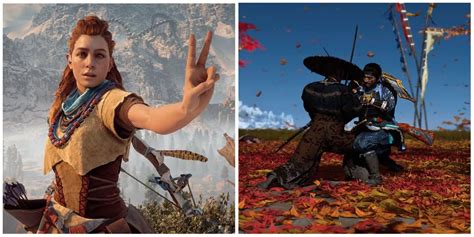
- Visual Aids (even placeholders): Screenshots, diagrams, or even well-placed image anchors (as demonstrated here) break up text, illustrate concepts, and make guides more engaging. Even without actual images, the intention of visual breaks improves layout perception.
- Active Voice: Generally, active voice makes sentences clearer and more direct.
- Consider Tone: Adopt a helpful, encouraging, and authoritative tone suitable for guiding players.

The Art of Harmonizing SEO and Readability
The true mastery lies in combining these two elements seamlessly. Don’t write your guide purely for SEO and then try to make it readable; integrate readability from the outset while keeping SEO principles in mind. Think of it as a continuous feedback loop:
- Start with the User: What problem are they trying to solve? How can you explain it most simply and effectively?
- Draft Your Content: Write naturally, focusing on clarity and helpfulness, using your target keywords as general themes rather than specific fill-ins.
- Optimize Incrementally: After the draft, review for SEO opportunities. Can you naturally add a keyword to a heading? Is the meta description compelling? Are internal links well-placed?
- Read Aloud: This simple trick helps catch awkward phrasing, long sentences, and unnatural keyword insertions. If it sounds clunky, it probably is.
- Test and Iterate: Monitor your guide’s performance. Are people staying on the page? Are they engaging with the content? Are you ranking for your target keywords? Use analytics to refine your strategy.

Conclusion: Crafting Guides That Win on All Fronts
Balancing gaming guide SEO with user-friendly readability isn’t about choosing one over the other; it’s about intelligent integration. By deeply understanding your audience’s needs, applying SEO best practices thoughtfully, and prioritizing clear, engaging communication, you can create guides that not only rank high in search results but also genuinely help players. This holistic approach ensures your valuable content reaches its intended audience and provides an exceptional experience, cementing your reputation as a go-to resource in the gaming community.