How can we keep gaming guides updated post-patch for player benefit?

The Ever-Evolving Game World: A Challenge for Guides
In the dynamic realm of video games, developers constantly release patches, updates, and expansions to introduce new content, balance gameplay, fix bugs, or even overhaul core mechanics. While these changes are vital for a game’s longevity and player engagement, they pose a significant challenge for the vast ecosystem of gaming guides and walkthroughs. An intricately detailed guide, once a player’s invaluable companion, can become obsolete overnight, leading to frustration and misinformation. The question then becomes: how do we ensure these vital resources remain current and helpful for players navigating the ever-changing digital landscape?
Why Up-to-Date Guides Are Crucial for Players
For many players, especially those new to a game or tackling complex content, guides are indispensable. They offer strategic insights, optimal builds, quest solutions, and tips for overcoming challenging encounters. When a guide is outdated:
- Players might waste time on inefficient strategies or incorrect item builds.
- They could become stuck or frustrated due to misleading information about game mechanics or quest objectives.
- Competitive players lose their edge if they’re not aware of the latest meta changes.
- The overall player experience diminishes, potentially leading to disengagement from the game itself.
Strategies for Guide Creators and Publishers
Keeping guides fresh demands a proactive and structured approach from those who produce them. Several key strategies can help mitigate the impact of patches:
1. Modular and Database-Driven Design
Instead of monolithic guides, breaking down information into smaller, interconnected modules (e.g., separate pages for skills, items, quests) allows for easier, targeted updates. Integrating with a database can enable automated population of certain data points directly from game APIs or community-maintained wikis, if available.
2. Clear Versioning and Patch Integration
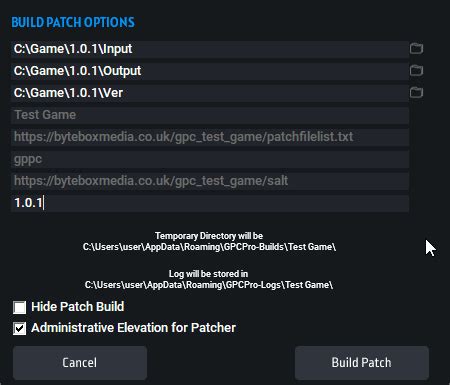
Every guide should prominently display a “Last Updated” date and indicate which game version or patch it applies to. When a patch drops, creators should immediately review affected sections, make changes, and update the version tag. A dedicated section summarizing patch-related changes relevant to the guide can also be invaluable.

3. Community-Driven Feedback Loops
Empowering the player community to report outdated information or suggest corrections is a powerful tool. This can be through comment sections, dedicated forums, or even direct submission forms. Curators can then review and implement these changes efficiently.
4. Collaboration and Dedicated Teams
For larger guide repositories, forming small teams dedicated to specific games or guide sections can streamline the update process. These teams can monitor game news, test changes, and update content in a coordinated fashion.
The Indispensable Role of the Player Community
While guide creators bear primary responsibility, the active participation of the player community is vital for maintaining guide accuracy:
- Reporting Inaccuracies: Players are often the first to experience the impact of a patch. Providing clear mechanisms to report outdated information helps creators prioritize updates.
- Contributing Content: Platforms that allow community edits, similar to wikis, can leverage collective knowledge to rapidly adapt guides post-patch. Moderation is key here to ensure accuracy.
- Discussion and Theorycrafting: Active forums and Discord servers serve as real-time testing grounds for new builds and strategies, which can then be incorporated into formal guides.
Leveraging Technology for Dynamic Guides
Modern web technologies and content management systems offer solutions for more agile guide updates:
- Dynamic Data Feeds: For games with public APIs (e.g., for item stats, ability details), guides can pull data directly, ensuring certain elements are always current.
- Version Control Systems: While often used in software development, principles of version control can be applied to guide content, making it easier to track changes, revert errors, and manage contributions.
- Automated Testing: In some cases, simple scripts can check if certain in-game mechanics or item properties have changed, flagging sections for manual review.

Conclusion: A Shared Endeavor for Better Gaming
Keeping gaming guides updated post-patch is not just the responsibility of content creators; it’s a shared endeavor that benefits the entire gaming ecosystem. By adopting intelligent design principles, fostering community collaboration, and leveraging technological solutions, we can ensure that these invaluable resources remain accurate, trustworthy, and ultimately enhance the player experience. An up-to-date guide saves time, prevents frustration, and helps players get the most out of their beloved games, no matter how much they evolve.