Actionable advice for moderating toxic game mod communities?
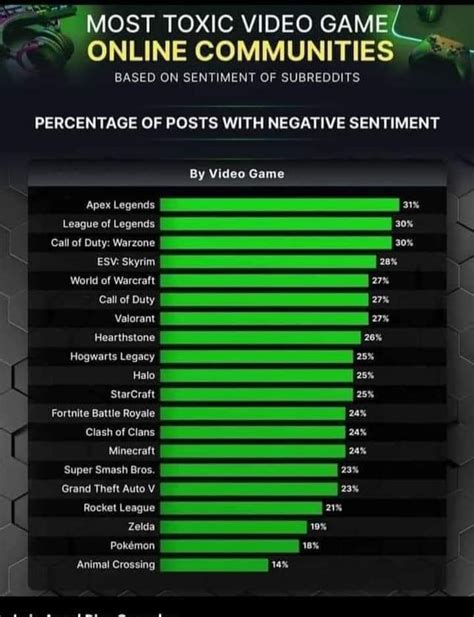
Game modding communities are vibrant hubs of creativity and passion, pushing the boundaries of what’s possible within our favorite titles. However, the same passion that fuels innovation can, at times, boil over into toxicity. Disagreements over creative direction, technical challenges, perceived slights, or simply the anonymity of online spaces can quickly transform productive forums into hostile environments. Effectively moderating these communities isn’t just about enforcing rules; it’s about cultivating a healthy ecosystem where creativity can thrive without fear of harassment or conflict.
Understanding the Roots of Toxicity
Before diving into solutions, it’s crucial to understand why toxicity emerges in modding communities. Often, it stems from a combination of factors: differing visions for a mod, technical frustrations, strong opinions on game lore or design, a sense of entitlement from some users, or simply a lack of empathy in text-based communication. Recognizing these triggers can help moderators anticipate and address potential flashpoints before they escalate.
The impact of unchecked toxicity is severe: talented modders leave, new contributors are deterred, and the overall quality and output of the community suffer. It can also spill over, affecting the game’s broader player base and even the developers themselves. Proactive and reactive strategies are therefore essential for maintaining a positive and productive space.

Establishing a Strong Foundation: Proactive Measures
The best defense against toxicity is a strong offense, meaning clear and consistent proactive measures.
1. Implement a Comprehensive Code of Conduct
This is your community’s constitution. It should clearly outline acceptable and unacceptable behaviors, covering everything from respectful communication to harassment and hate speech. Make it easily accessible and ensure new members are aware of it. Importantly, specify the consequences for violating the rules.
2. Foster Positive Communication and Education
Encourage constructive feedback and problem-solving. Create dedicated channels for bug reports, suggestions, and general discussions that are distinct from support or moderation channels. Educate users on best practices for reporting issues or giving feedback, guiding them away from accusatory or inflammatory language.
3. Empower and Support Your Moderation Team
Your moderators are on the front lines. They need clear guidelines, adequate training, and the authority to act. Crucially, they also need emotional support and a clear escalation path for difficult situations. Regular check-ins and shared resources can prevent burnout and ensure consistency.

De-escalation and Conflict Resolution Tactics
Even with proactive measures, conflicts will arise. Effective reactive strategies are key to de-escalating tension and resolving disputes.
1. Swift and Impartial Intervention
Address toxic behavior quickly. Lingering conflicts fester and signal to the community that such behavior is tolerated. Act impartially, applying rules consistently regardless of who is involved. Document all interventions for transparency and future reference.
2. Prioritize Private Warnings and Mediation
Whenever possible, address minor infractions or misunderstandings through private messages. Public shaming can often escalate conflicts. For more complex disputes, offer to mediate privately. This involves listening to all sides, identifying common ground, and guiding participants towards a constructive resolution.
3. Implement Progressive Disciplinary Actions
A tiered system of consequences — from warnings, to temporary mutes/bans, to permanent bans — allows for flexibility and fairness. This approach gives users a chance to correct their behavior before facing more severe penalties. Clearly communicate the reason for any disciplinary action.
Leveraging Tools and Sustaining Efforts
Modern community management benefits greatly from available tools and a commitment to ongoing improvement.
1. Utilize Moderation Software and Bots
Platforms like Discord, Reddit, and forums offer various moderation tools, including bots that can filter offensive language, automatically assign roles, or manage reporting queues. Automating routine tasks frees up human moderators to focus on nuanced situations requiring judgment.
2. Create Accessible Reporting Systems
Make it easy for users to report toxic behavior confidentially. Ensure they understand what information is helpful (screenshots, links, timestamps) and that their reports will be reviewed. Promptly follow up on reports, even if it’s just to acknowledge receipt.
3. Encourage Feedback and Adapt
A healthy community is a dynamic one. Regularly solicit feedback from your users and moderators on the effectiveness of your rules and moderation practices. Be prepared to adapt and evolve your approach based on community needs and new challenges. Host periodic town halls or Q&A sessions to address concerns openly.

Conclusion: Cultivating a Thriving Ecosystem
Moderating toxic game mod communities is an ongoing challenge that requires dedication, empathy, and a clear strategy. By establishing robust rules, fostering positive communication, empowering moderators, and employing effective de-escalation techniques, you can transform potentially hostile environments into collaborative spaces where creativity flourishes. Remember, a healthy modding community not only enriches the game experience but also builds lasting relationships and empowers countless individuals to share their passion. It’s a continuous journey, but one well worth the effort.