Actionable guide: How do mod authors foster positive community engagement & resolve conflicts?
The success of a mod often extends beyond its code and features; it thrives on the vibrant community that forms around it. For mod authors, nurturing a positive environment is crucial for sustained interest, valuable feedback, and overall enjoyment. However, where communities gather, disagreements can inevitably arise. This guide offers actionable strategies for mod authors to not only foster robust and engaging communities but also to skillfully navigate and resolve conflicts.
Building a Foundation: Fostering Positive Engagement
Positive community engagement doesn’t happen by accident; it’s cultivated through intentional effort and consistent interaction. Mod authors are often the heart of their communities, and their approach sets the tone.
1. Transparent and Consistent Communication
Regular updates, whether big or small, keep your community informed and invested. Be open about your development process, challenges, and future plans. Use platforms like Discord, forums, or dedicated mod pages to share progress, ask for opinions, and respond to questions. This builds trust and makes users feel valued.
2. Active Listening and Feedback Integration
Encourage users to provide feedback, bug reports, and suggestions. More importantly, demonstrate that you’re listening. Acknowledge their input, explain why certain suggestions might not be feasible, or incorporate popular ideas into your mod. This creates a sense of ownership and collaboration within the community.
3. Create Clear Guidelines and Expectations
Establish a clear code of conduct for your community spaces. Define what kind of behavior is acceptable and what isn’t. This helps prevent misunderstandings and gives you a framework for moderation. Clearly state your mod’s scope, what you intend to support, and what features are outside its focus to manage user expectations upfront.
Navigating the Storm: Resolving Conflicts Effectively
Even in the most well-managed communities, conflicts can arise. The key is not to avoid them, but to address them constructively and professionally.
1. Early Detection and Proactive Intervention
Monitor your community spaces regularly. Look for signs of brewing tension, such as heated discussions, passive-aggressive comments, or personal attacks. Addressing minor disagreements early can prevent them from escalating into major conflicts.

2. Be Objective and Impartial
When intervening in a conflict, maintain neutrality. Gather all relevant information before forming an opinion. Avoid taking sides or letting personal biases influence your judgment. Focus on the facts and the established community guidelines.
3. De-escalation Techniques
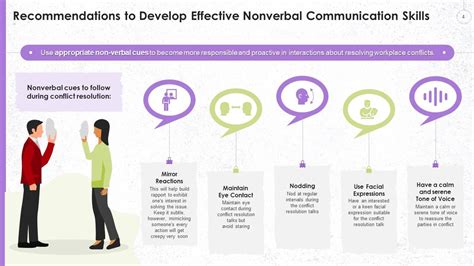
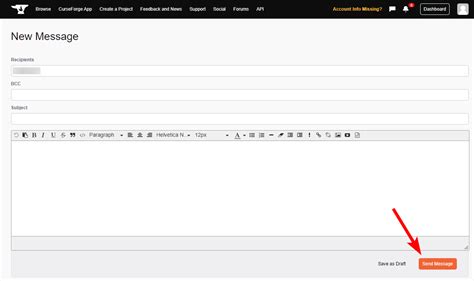
- Private Communication: If possible, move heated discussions to private messages to cool down the situation and prevent further public escalation.
- Clear, Calm Language: Communicate clearly and calmly. Avoid accusatory language. State the facts and refer to your community guidelines.
- Timeouts/Temporary Bans: For persistent or egregious behavior, don’t hesitate to issue warnings, temporary bans, or mute users to give everyone a chance to cool off.

4. Know When to Set Boundaries and Disengage
Not every conflict can be resolved to everyone’s satisfaction. Sometimes, you may encounter individuals who are unwilling to cooperate or consistently violate rules. In these cases, it’s important to set firm boundaries, enforce your guidelines, and be prepared to permanently ban disruptive members for the good of the wider community. Remember, your primary responsibility is to protect the positive environment for the majority.
Best Practices for a Thriving Modding Community
- Lead by Example: Your behavior sets the standard. Be polite, respectful, and professional.
- Empower Moderators: If your community grows, consider recruiting trusted volunteers to help with moderation. Provide them with clear instructions and support.
- Celebrate Your Community: Highlight user-created content, positive interactions, or helpful members. This reinforces desired behaviors and makes people feel appreciated.
- Self-Care: Managing a community can be demanding. Don’t let conflict or negative interactions burn you out. Take breaks when needed.
Conclusion
Building and maintaining a positive community around your mod is an ongoing endeavor, but one that significantly enriches the modding experience for everyone involved. By prioritizing transparent communication, actively listening to feedback, setting clear expectations, and employing thoughtful conflict resolution strategies, mod authors can cultivate a loyal and supportive user base that contributes to the long-term success and enjoyment of their creations.