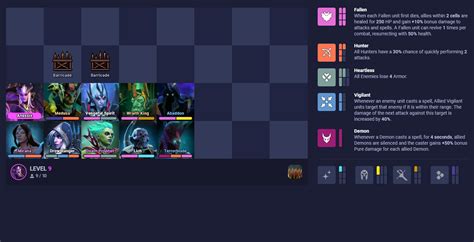
Adapting core builds post-patch: How to stay meta relevant?

The Ever-Shifting Sands of the Meta
In the dynamic world of competitive gaming, patches are the tide that constantly reshapes the landscape. What was once an undisputed top-tier build can become obsolete overnight, leaving players scrambling to find a new edge. Staying meta-relevant isn’t just about copying the pros; it’s about understanding the underlying mechanics, predicting shifts, and adapting your core builds with agility. The ability to pivot quickly post-patch is a hallmark of truly skilled players.
Many players fall into the trap of clinging to old habits, unwilling to experiment or acknowledge that their beloved build is no longer viable. This stagnation often leads to frustration and a drop in competitive performance. The key to long-term success lies in embracing change and developing a systematic approach to post-patch adaptation.
Decoding the Patch Notes
The first and most crucial step in adapting your builds is a meticulous dissection of the patch notes. Don’t just skim the headlines; delve into the specifics. Pay close attention to numerical changes – buffs or nerfs to abilities, item stats, or base character attributes. Even a seemingly small percentage change can have a cascading effect on damage breakpoints, survivability thresholds, or resource management.
Beyond the Bullet Points
Often, the most impactful changes are not explicitly stated as direct nerfs or buffs to your main character or build. Look for indirect impacts: new items that create powerful synergies, reworks to opposing characters that change the counter-meta, or even map changes that favor different playstyles. A nerf to a commonly used counter-build, for example, could inadvertently buff your own build without any direct changes to it. Understanding these ripple effects is vital for predicting the new meta.
The Art of Theorycrafting and Simulation
Once you’ve absorbed the patch notes, it’s time to put on your theorycrafter hat. This involves crunching numbers, comparing stats, and considering how new or altered components interact with your core build philosophy. Tools like spreadsheets, damage calculators, or in-game training modes can be invaluable here. Simulate different scenarios: how does your damage scale now? Is your survivability sufficient against common threats? Are there new item paths that offer better efficiency or power spikes?
Identifying Core Changes
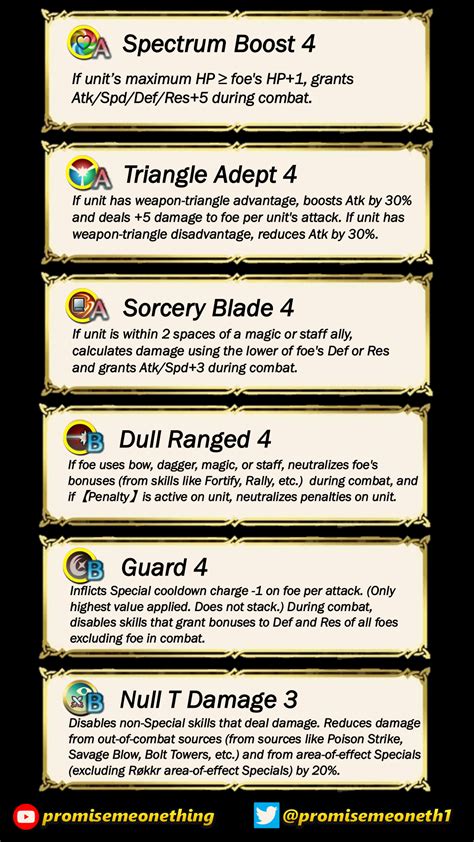
Pinpoint which elements of your build were most affected. If your primary damage ability was nerfed, explore alternative damage sources or consider items that amplify other parts of your kit. If a key defensive item was changed, look for substitutes or adjust your playstyle to mitigate the loss. Sometimes, a full build overhaul is necessary; other times, a minor tweak is all it takes to bring it back to relevance.
Rigorous Testing and Iteration
Theorycrafting is important, but nothing replaces practical application. Take your hypothesized new builds into actual gameplay. Start in less competitive environments, like unranked matches or custom games, to get a feel for the changes without the pressure of ranked play. Pay attention to how the build feels. Does it still achieve its win condition effectively? Are there new weaknesses that weren’t apparent on paper? Gather data on your performance, noting successes and failures.
Don’t Be Afraid to Fail
The first iteration of a post-patch build is rarely perfect. Be prepared to go back to the drawing board. Adjust item orders, ability point allocations, or even try entirely different components. Solicit feedback from teammates or watch replays of your games critically. The meta is a moving target, and your adaptation process should be iterative, constantly refining your build based on real-world results.
Embracing Flexibility and Adaptation
The most successful players aren’t those who find one dominant build and stick to it forever; they are the ones who are flexible. They understand that the meta is fluid and are willing to adapt their playstyle and builds to counter emerging threats or capitalize on new opportunities. This might mean having multiple viable builds for different matchups, or even adjusting your build mid-game based on the flow of the match.

Community Insights and Resources
Don’t try to reinvent the wheel alone. Leverage the collective intelligence of the gaming community. Watch high-level streamers, read guides from pro players, and engage in discussions on forums and Discord servers. Often, innovative build ideas or critical insights emerge from the community quickly after a patch. While blind copying is rarely optimal, understanding what others are experimenting with can save you time and point you in promising directions.

Conclusion: The Perpetual Evolution
Staying meta-relevant post-patch is an ongoing challenge that demands analytical skill, creativity, and a willingness to adapt. By meticulously analyzing patch notes, engaging in diligent theorycrafting, rigorously testing new ideas, and remaining flexible in your approach, you can not only keep pace with the meta but often get ahead of it. Embrace the evolution, and you’ll find yourself consistently performing at your best, no matter how the game changes.