





Best CTA for more post-purchase product reviews?

Unlocking the Power of Post-Purchase Product Reviews
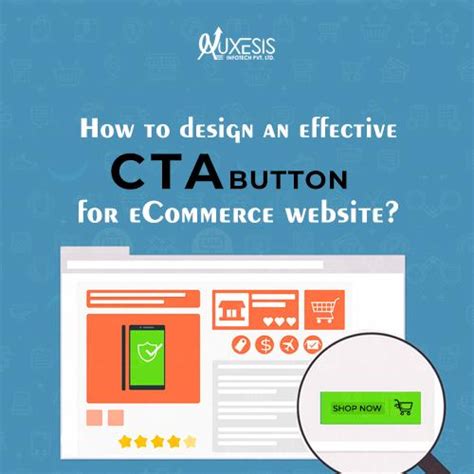
Post-purchase product reviews are the lifeblood of modern e-commerce. They build trust, provide social proof, improve SEO, and offer invaluable insights for product development. Yet, convincing busy customers to take the time to write a review can be a significant challenge. The secret often lies in crafting an irresistible Call-to-Action (CTA).
What Makes a Review CTA Irresistible?
An effective CTA for product reviews isn’t just about telling customers what to do; it’s about motivating them to act. It needs to be clear, concise, and compelling, standing out from the myriad of other requests customers receive daily. The best CTAs resonate with the customer’s experience and highlight the value of their feedback, both to the business and to future shoppers.
Key Principles for Crafting Powerful Review CTAs
Before diving into specific phrases, understand the underlying principles:
- Clarity and Directness: Leave no room for ambiguity. Customers should immediately understand what you’re asking them to do.
- Benefit-Oriented: While the primary benefit is for you, subtly remind them how their review helps others or enhances their own customer experience (e.g., personalized recommendations later).
- Simplicity: The path from clicking the CTA to submitting the review must be as friction-less as possible.
- Urgency (Soft): While hard deadlines can be off-putting, a gentle nudge or a sense of timely relevance can encourage action.
- Personalization: Address the customer by name and reference the specific product they purchased.
Remember, the CTA is just one part of the entire review request process, but it’s often the most critical gateway.
Top CTA Phrases and Strategies for Review Generation
Here are some of the most effective CTA approaches, ranging from direct to subtly persuasive:
1. Direct & Simple: “Write a Review” / “Leave a Review”
Often, the simplest approach is the most effective. These CTAs are universally understood and directly communicate the desired action. They work best when paired with an attractive visual and placed prominently.
2. Engaging & Inviting: “Share Your Experience” / “Tell Us What You Think”
These CTAs feel less like a command and more like an invitation. They appeal to the customer’s desire to be heard and can lead to more detailed and thoughtful feedback. They can be particularly effective for products that evoke strong emotions or personal stories.
3. Community & Impact Focused: “Help Other Shoppers” / “Your Feedback Matters”
Appealing to altruism can be powerful. Customers often like the idea of contributing to a community or helping others make informed decisions. Framing the review as a service to fellow shoppers can significantly boost conversion rates.
4. Star Rating Integration: “How Would You Rate Your [Product Name]?”
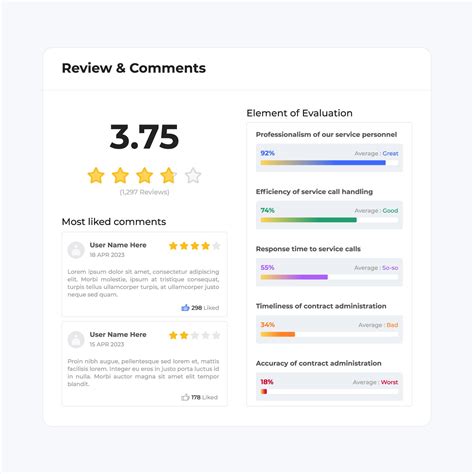
Many platforms allow you to embed a simple star rating directly into the email. This incredibly low-friction approach encourages an initial interaction. Clicking a star immediately takes them to the review form with that rating pre-selected, making the next step seem smaller.
5. Product-Specific Prompts: “Review Your New [Product Name]”
Personalization is key. Always include the specific product name in the CTA and the associated email. This makes the request highly relevant and shows you value their specific purchase.
Optimizing the Review Request Journey Beyond the CTA
Even the best CTA won’t perform if the overall experience is poor:
- Timing is Everything: Send the review request after the customer has had sufficient time to use and form an opinion about the product (e.g., 7-14 days post-delivery for most items).
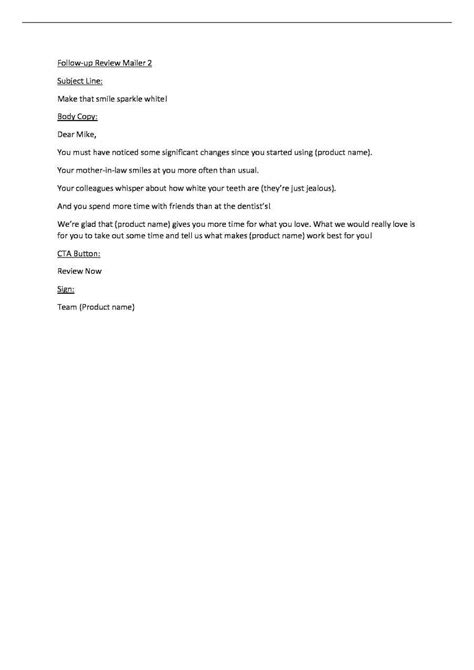
- Compelling Subject Lines: The email subject line is your first CTA. Use phrases like “How Was Your [Product Name]?” or “We’d Love Your Feedback on Your Recent Purchase.”
- Streamlined Landing Page: Ensure the link from the CTA goes directly to an easy-to-use review form, ideally pre-populating product details. Avoid asking for too much information.
- Gentle Reminders: A single follow-up email, perhaps a few days later, can significantly boost responses without being intrusive.
- Consider Incentives (Carefully): While not strictly a CTA, a small discount on a future purchase for reviewing can be effective, but ensure it complies with review guidelines (e.g., FTC).
The Importance of A/B Testing Your CTAs
What works best for one audience or product might not work for another. It’s crucial to continuously A/B test different CTA phrases, button colors, placements, and email subject lines. Analyze metrics like open rates, click-through rates, and conversion to review completion. Iterative testing will reveal the most effective strategies for your specific business.
Conclusion
There isn’t a single “best” CTA, but rather a combination of principles and strategies that, when applied thoughtfully, can dramatically increase your post-purchase product reviews. Focus on clarity, customer benefit, and a seamless user experience. By continuously testing and refining your approach, you’ll uncover the perfect blend of words and design that compels your customers to share their valuable feedback, ultimately fueling your brand’s growth and credibility.



