Best esports mental training tips to overcome tilt and maintain peak performance?

In the high-stakes world of esports, raw mechanical skill and game knowledge are just one part of the equation. The true champions are often those who possess an unshakeable mental fortitude, capable of navigating intense pressure, bouncing back from setbacks, and consistently performing at their peak. Tilt, a state of frustration and emotional distress that impairs judgment and performance, is the bane of every competitive player. Mastering mental training isn’t just an advantage; it’s a necessity for sustained success.
Understanding the Enemy: What is Tilt and Why Does It Happen?
Tilt isn’t just being “mad”; it’s a detrimental shift in your mental state, often triggered by a series of negative events—a bad play, a teammate’s mistake, or an unexpected loss. It leads to impaired decision-making, aggression, poor communication, and a general downward spiral in performance. Common triggers include feeling helpless, unjustly treated, overly invested in the outcome, or having a perfectionist mindset where any error feels catastrophic.
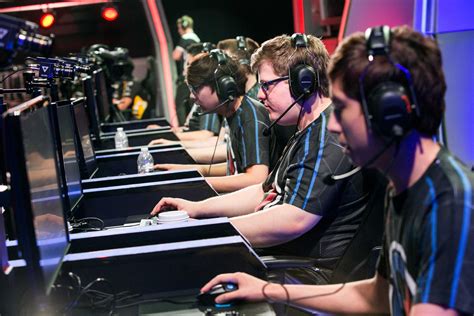
Proactive Strategies: Preventing Tilt Before It Starts
1. Develop Self-Awareness and Emotional Regulation
The first step to combating tilt is recognizing your personal triggers and emotional patterns. Keep a mental log or journal of situations that cause you to feel frustrated. Once you identify these, you can start to develop strategies to mitigate their impact. Practice mindfulness to observe your emotions without judgment, allowing you to choose your response rather than reacting impulsively.
2. Establish Robust Pre-Game Routines
Consistency breeds confidence. A solid pre-game routine can help you enter each match in the optimal mental state. This might include a brief meditation, listening to calming music, reviewing strategies, doing warm-up exercises (physical or in-game), or even a quick stretching session. The goal is to create a ritual that signals to your brain that it’s time to focus and perform.

Mid-Game Maneuvers: Overcoming Tilt When It Strikes
1. The “Reset” Button: Short Breaks and Deep Breathing
When you feel tilt creeping in, it’s crucial to hit the mental “reset” button. If the game allows, take a micro-break: step away from the keyboard for 30 seconds, close your eyes, and take several deep, controlled breaths. Focus on the exhale to release tension. This simple act can break the emotional spiral and bring you back to the present moment.
2. Master Positive Self-Talk
The internal dialogue we have with ourselves significantly impacts performance. Replace negative, self-defeating thoughts (“I always mess this up”) with constructive, positive affirmations (“I can analyze this and improve,” “Next round is a fresh start”). Focus on what you can control and maintain an optimistic outlook, even in challenging situations.
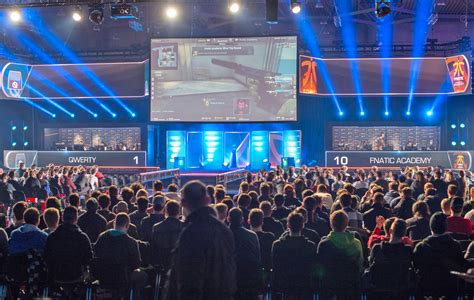
Sustaining Excellence: Maintaining Peak Performance Long-Term
1. Set Clear Goals and Visualize Success
Define both short-term (e.g., improve last-hitting in a week) and long-term goals (e.g., reach a certain rank). Visualize yourself successfully executing strategies, making optimal plays, and achieving your objectives. This mental rehearsal reinforces positive neural pathways and builds confidence.
2. Prioritize a Healthy Lifestyle
Your physical well-being directly impacts your mental acuity. Ensure you get adequate sleep (7-9 hours), maintain a balanced diet, and incorporate regular physical exercise into your routine. These elements reduce stress, improve focus, and enhance your ability to handle pressure. Hydration is also key; even mild dehydration can impair cognitive function.

3. Cultivate a Growth Mindset and Learn from Every Game
View every match, win or loss, as an opportunity to learn. After each session, take time to review VODs (Videos On Demand) of your gameplay. Focus on identifying mistakes without self-criticism, understanding why they happened, and strategizing how to prevent them in the future. Constructive self-analysis, often with teammates or a coach, is invaluable for continuous improvement.
4. Build a Supportive Environment
Surround yourself with teammates and friends who foster a positive and constructive atmosphere. Good communication, mutual respect, and shared goals are essential. A supportive team can help you navigate difficult moments, offer objective feedback, and celebrate successes, creating a buffer against the isolating effects of tilt.

Conclusion
Achieving and sustaining peak performance in esports requires more than just mechanical skill; it demands a robust mental game. By understanding tilt, implementing proactive strategies, developing mid-game recovery techniques, and fostering a healthy lifestyle with a growth mindset, esports athletes can unlock their full potential. The journey to mental mastery is ongoing, but the rewards—consistency, resilience, and ultimate success—are well worth the effort.