Best methods for community managers to reduce toxicity in game chats?
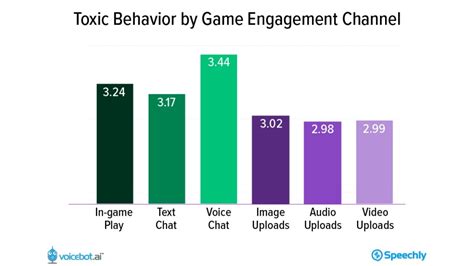
Game chats are vital hubs for player interaction, but they can quickly devolve into toxic environments, diminishing the overall gaming experience. Community managers play a crucial role in curating these spaces, transforming them from potential battlegrounds into welcoming communities. Effective strategies are essential for reducing toxicity and fostering a positive, engaging atmosphere.
Establishing Clear Guidelines and Expectations
The foundation of any healthy community is a well-defined set of rules. These guidelines should be clear, concise, and easily accessible to all players, preferably within the game interface and on official community platforms. They should explicitly outline unacceptable behaviors, such as hate speech, harassment, spamming, and cheating, as well as the consequences for violating these rules. Consistent communication of these expectations from a player’s first interaction helps set the tone for the entire community.
Beyond simply stating rules, it’s crucial to explain the rationale behind them. Educating players on why certain behaviors are detrimental to the community fosters understanding and encourages buy-in. This can be done through welcome messages, pop-up tips, or community blog posts that emphasize the value of respectful interaction.

Proactive Engagement and Positive Reinforcement
Reducing toxicity isn’t just about punishing bad actors; it’s also about actively cultivating positive interactions. Community managers should lead by example, engaging positively and constructively in chat. Highlight and reward players who demonstrate exemplary behavior, help others, or contribute positively to discussions. This could involve in-game recognition, special roles on forums, or simply public acknowledgement. Positive reinforcement encourages desirable behavior and makes the community feel more rewarding for those who contribute constructively.
Creating dedicated spaces or events that promote positive interaction can also be highly effective. This might include moderated Q&A sessions with developers, community game nights, or creative contests that celebrate player talent rather than competitive aggression. These initiatives provide alternative avenues for engagement and build stronger bonds within the community.

Robust Moderation Tools and Consistent Enforcement
Effective moderation requires the right tools and a commitment to consistent enforcement. Community managers should have access to a suite of moderation tools, including in-game reporting systems, chat filters, and robust ban/mute capabilities. Automated systems can help catch common offensive terms, but human oversight is crucial for nuance and context.
Consistency in applying penalties is paramount. Players must trust that the rules apply equally to everyone, regardless of their status or popularity. Inconsistent enforcement breeds resentment and can erode the community’s faith in moderation. When infractions occur, aim for de-escalation where possible, using private warnings before public actions, but be prepared to take swift and firm action against egregious or repeated violations.

Empowering Players and Fostering Ownership
A healthy community isn’t solely managed by a few individuals; it’s nurtured by its members. Empowering players to take ownership of their community can significantly reduce toxicity. Implement easy-to-use in-game reporting systems and ensure players see the results of their reports. Consider recruiting trusted, veteran players as volunteer moderators who can assist in monitoring chat and reinforcing positive behavior.
Encourage peer-to-peer support and positive leadership. When players feel they have a stake in the community’s health, they are more likely to self-regulate and intervene constructively when toxicity arises. This decentralized approach creates a more resilient and self-sustaining positive environment.
Continuous Monitoring, Adaptation, and Feedback
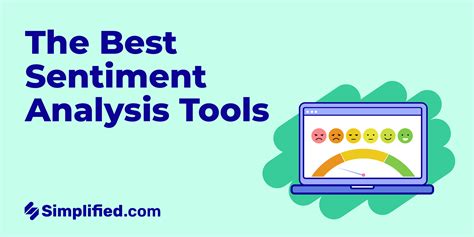
The online landscape, and therefore the nature of toxicity, is constantly evolving. Community managers must continuously monitor chat logs, analyze community sentiment, and stay updated on new slang or trends that could be used for harassment. Regular reviews of existing policies and moderation strategies are essential to ensure they remain effective and relevant.
Equally important is actively soliciting and listening to feedback from the community. Players often have valuable insights into emerging issues or areas where current moderation might be falling short. Being open to adapting strategies based on this feedback demonstrates responsiveness and builds stronger trust between the community and its management team.
Ultimately, reducing toxicity in game chats is an ongoing, multi-faceted endeavor that combines clear policies, proactive engagement, robust tools, and community empowerment. By consistently applying these methods, community managers can transform game chats into vibrant, positive spaces that enhance the overall player experience and contribute to the long-term health of the game’s ecosystem.