Best methods to track new game releases, patches, and vital esports updates efficiently?

Navigating the Dynamic World of Gaming Information
In the fast-paced universe of modern gaming, staying updated isn’t just a hobby—it’s a necessity. From eagerly anticipated new game releases to critical bug fixes and balance changes in patches, and the ever-evolving drama of competitive esports, a constant stream of information keeps players engaged. Missing out on a key update can mean falling behind in your favorite game, missing an important tournament, or even overlooking a new title perfectly suited to your tastes. The challenge lies in efficiently sifting through the deluge of data to find what truly matters. This article outlines the best strategies and tools to keep you informed without feeling overwhelmed.

Leveraging Official Developer and Publisher Channels
The most accurate and timely information often comes directly from the source. Game developers and publishers are keen to communicate with their player base regarding new releases, updates, and major announcements. Subscribing to their official newsletters, following their social media accounts (Twitter, Facebook, Instagram, YouTube), and regularly checking their official websites are foundational steps. Many developers also maintain dedicated forums or community hubs where patch notes are posted and discussions take place.
- Official Websites & Blogs: The definitive source for announcements, patch notes, and development roadmaps.
- Developer Social Media: Follow studios and individual developers for real-time updates and sneak peeks.
- Email Newsletters: Opt-in for direct-to-inbox summaries of important news.
- In-Game Clients & Launchers: Platforms like Steam, Epic Games Store, Battle.net, and Riot Client often feature news sections directly within their applications, highlighting new releases, sales, and game updates.

Harnessing Gaming News Websites and Aggregators
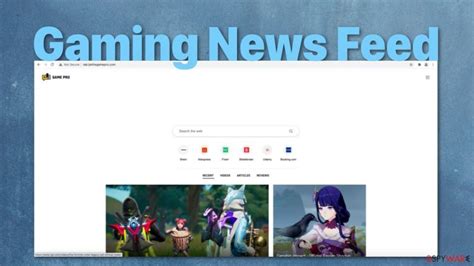
For a broader view of the gaming landscape, dedicated news websites and aggregators are indispensable. These platforms compile information from various sources, offer expert analysis, and provide a centralized hub for all things gaming. Popular examples include IGN, PC Gamer, Eurogamer, GameSpot, and Polygon. Many of these sites also have dedicated sections for specific genres or platforms, as well as esports coverage.
- Major Gaming Publications: Regularly check sites like IGN, PC Gamer, and GameSpot for comprehensive coverage.
- RSS Feeds: Subscribe to RSS feeds from your favorite sites to get instant updates in your preferred reader.
- Gaming News Apps: Utilize mobile apps that consolidate news from multiple sources.
Engaging with Community Platforms and Social Media
The gaming community itself is a powerful force for information dissemination. Platforms like Reddit, Discord, and dedicated forums are vibrant ecosystems where players share discoveries, discuss updates, and often break news before official channels. Subscribing to subreddits for specific games or genres, joining official and fan-run Discord servers, and participating in forums can provide real-time updates and valuable insights.
- Reddit: Subreddits like
r/gaming,r/pcgaming, and specific game subreddits are excellent for community discussions and news aggregation. - Discord Servers: Join official game servers or popular community servers for live discussions, announcements, and developer Q&As.
- Twitch & YouTube: Follow streamers and content creators who often cover patch notes, new game announcements, and esports events.

Specialized Tools and Esports Resources
Beyond general news, specific tools and platforms cater to the unique demands of tracking releases, patches, and esports. Websites like HowLongToBeat (for release calendars), Liquipedia (for esports wikis), and specialized patch-tracking apps can streamline your information gathering.
Esports-Specific Tracking
For competitive gaming, dedicated resources are paramount:
- Official League Websites: Websites for leagues like LEC, LCS, OWL, CDL provide schedules, standings, and news directly.
- Esports News Sites: Dedicated platforms such as Dot Esports, VPEsports, and ESL Gaming cover tournament results, team news, and player transfers.
- Liquipedia: An invaluable wiki for almost every major esport, offering comprehensive tournament brackets, player bios, and patch history.
- Esports Calendar Apps: Use apps specifically designed to track esports schedules and remind you of upcoming matches.

Conclusion: Building Your Personalized Information Hub
Efficiently tracking game releases, patches, and esports updates doesn’t rely on a single method but rather a personalized combination of strategies. By integrating official channels, reputable news sources, active community platforms, and specialized tools, you can create a robust information hub tailored to your gaming interests. Experiment with different approaches to find what works best for you, ensuring you’re always in the loop and ready for the next big thing in gaming.