Best moderation tips for reducing toxicity in a growing game modding community?

The Challenge of Toxicity in Growing Modding Communities
As a game modding community expands, so does the potential for friction and toxicity. What starts as a passionate group of creators and players can, without proper oversight, devolve into a space plagued by negativity, harassment, and burnout. Effective moderation isn’t just about enforcing rules; it’s about cultivating an environment where creativity thrives, collaboration is encouraged, and everyone feels safe and respected. Here are the best moderation tips to help your growing game modding community stay healthy and vibrant.
Establish Clear, Comprehensive Guidelines and a Code of Conduct
The cornerstone of any successful moderation strategy is a well-defined set of rules. Your Code of Conduct should be easily accessible, unambiguous, and cover a wide range of potential issues, from respectful discourse to acceptable content within mods. Be specific about what constitutes harassment, hate speech, plagiarism, or even low-effort spamming. Ensure these rules are regularly reviewed and updated as your community evolves. Education is key: don’t just post the rules, explain why they exist and how they benefit everyone.

Foster Proactive and Visible Moderation
Don’t wait for problems to escalate. Active, visible moderation can deter toxic behavior before it takes root. This means having moderators present and engaging in community discussions, not just swooping in to punish. Respond to reports promptly and consistently. When moderation actions are taken, ensure they are applied fairly and that the community understands the process. Leading by example and actively participating in positive interactions can set a powerful tone for the entire community.
Empower and Educate Your Community
Your community members are your first line of defense. Provide easy-to-use reporting tools and clearly communicate what kind of behavior should be reported. Consider establishing a trusted user program where experienced and respected members can assist moderators, perhaps with flagging content or providing initial guidance. Crucially, educate your community on how to engage constructively, how to provide feedback respectfully, and how to de-escalate minor conflicts themselves. Empowering users can significantly lighten the load on your moderation team.

Practice Transparency and Consistency in Enforcement
Nothing erodes trust faster than inconsistent or opaque moderation. Strive for transparency in your moderation decisions whenever appropriate, especially for significant actions like bans. While you may not disclose every detail of a private report, explaining the general principles behind a decision can help the community understand and respect the rules. Consistency is paramount: apply the same standards to all users, regardless of their standing or contribution to the community. Documenting actions and decisions can aid in maintaining this consistency over time.

Cultivate Positive Engagement and Provide Constructive Outlets
A healthy community isn’t just about stopping bad behavior; it’s about encouraging good behavior. Organize events like mod showcases, contests, or collaborative projects that highlight positive contributions. Create dedicated channels for constructive feedback, bug reporting, and feature suggestions, diverting these discussions from general chat areas where they might breed frustration. Celebrate your community’s achievements and highlight positive interactions. By actively nurturing positive engagement, you can shift the overall tone and make toxicity less appealing.
Leverage Tools and Automation Wisely
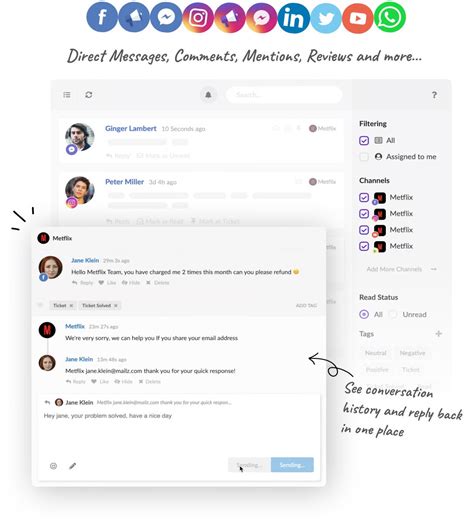
As your community grows, manual moderation becomes increasingly difficult. Utilize moderation tools such as keyword filters, spam detection, and automated flagging systems. Bots can help with routine tasks like welcoming new members, answering FAQs, and even enforcing simple rules (e.g., specific channel usage). However, always remember that automation is a supplement, not a replacement, for human moderation. Human oversight is essential to catch nuances, prevent false positives, and ensure a fair and empathetic approach to community management.
Conclusion
Reducing toxicity in a growing game modding community is an ongoing process that requires dedication, clear communication, and a proactive approach. By implementing clear guidelines, fostering visible and consistent moderation, empowering your community, encouraging positive engagement, and wisely leveraging tools, you can create a safe, respectful, and vibrant space where modders and players alike can connect, create, and share their passion for gaming.