Best practice for consistent game review scoring across diverse genres?

The Elusive Goal of Universal Review Consistency
In the vast and ever-expanding universe of video games, titles range from minimalist indie puzzles to sprawling open-world RPGs, from lightning-fast fighting games to intricate strategy simulations. Each genre brings its own unique set of expectations, design principles, and player appeals. The monumental task for game reviewers is to evaluate these diverse experiences fairly and consistently, ensuring that a ‘7/10’ for a platformer carries similar weight and meaning as a ‘7/10’ for a narrative-driven adventure game. This challenge isn’t merely about personal preference; it’s about establishing a robust, defensible, and transparent framework that serves the audience reliably.
Deconstructing the Challenge: Why Consistency is Hard
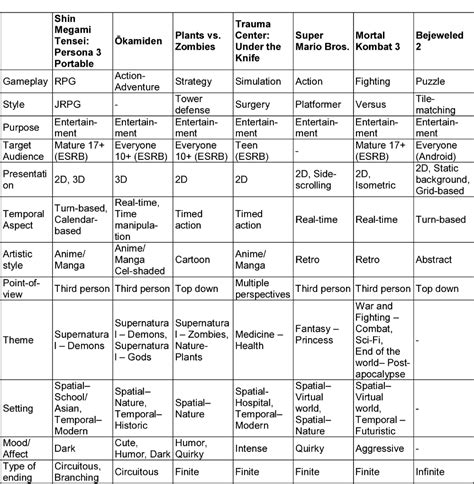
The primary hurdle to consistent scoring lies in the inherent differences between genres. What makes a great fighting game (tight controls, deep combos, balanced roster) is fundamentally different from what makes a great story-driven RPG (compelling narrative, character development, world-building). A scoring rubric that prioritizes technical performance might unfairly penalize an artistic indie game, while one focused on innovation might overlook the perfected fundamentals of a well-executed sequel. Without a nuanced approach, reviewers risk applying a one-size-fits-all metric that fails to acknowledge a game’s specific aims and achievements within its own context.
Building a Foundation: Core Criteria and Flexible Weighting
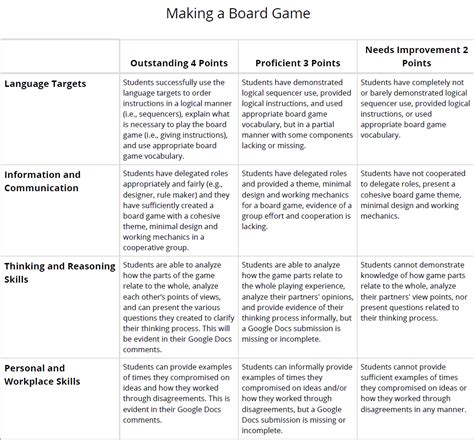
The cornerstone of consistent scoring is a standardized, yet flexible, rubric. Begin with universal criteria that apply to all games:
- Gameplay Mechanics: How well do the core systems function? Are they intuitive, engaging, and well-polished?
- Graphics & Art Direction: Quality of visuals, aesthetic coherence, and artistic impact.
- Sound Design & Music: Audio fidelity, atmospheric contribution, and musical composition.
- Innovation & Originality: How does the game push boundaries or offer fresh experiences?
- Value Proposition: Content quantity, replayability, and overall worth for the asking price.
- Technical Performance: Stability, bug prevalence, frame rate, and optimization.
The key to flexibility lies in assigning dynamic weighting to these criteria based on genre. For a competitive multiplayer shooter, gameplay mechanics and technical performance might account for 60-70% of the score, while for a visual novel, narrative and art direction could take precedence. This contextual weighting allows for fair evaluation without abandoning a common set of standards.
The Narrative Beyond the Number: Qualitative Justification
A score is a summary, but the review text is the substance. Consistent scoring isn’t just about the number; it’s about the consistent application of critical reasoning that leads to that number. Every score must be thoroughly justified by articulating specific strengths and weaknesses relative to the game’s genre, its peers, and its stated ambitions. A reviewer should always ask: Why does this game deserve X score? What specific elements elevate or detract from the experience? The narrative of the review provides the essential context that makes the score meaningful and comparable across genres.
Mitigating Bias: Team Calibration and Peer Review
Individual reviewers, no matter how experienced, will always carry some level of personal bias. To achieve consistency across a review team, regular calibration sessions are vital. This involves:
- Discussing Review Philosophy: Aligning on what constitutes a ‘good’ game within different contexts.
- Jointly Scoring Benchmark Titles: Reviewing and scoring a few agreed-upon games across genres as a team to identify and reconcile major score discrepancies.
- Peer Review: Having other reviewers read drafts to challenge assumptions, identify missed points, or flag potential inconsistencies in scoring logic.
This collaborative approach helps to normalize individual scoring tendencies and foster a shared understanding of review standards.

Focusing on the Player Experience: The Ultimate Metric
Ultimately, a game review should reflect the player’s experience. While technical details and design choices are important, the final score should encapsulate how those elements coalesce into an enjoyable, memorable, or impactful experience. This ‘feel’ factor can be hard to quantify but is crucial. A game might have perfect graphics but clunky controls, leading to a poor experience. Conversely, a game with dated visuals but an innovative gameplay loop can still be immensely satisfying. Focusing on the holistic player journey helps bridge the gap between objective analysis and subjective enjoyment, providing a consistent lens through which to view all games, regardless of genre.

Conclusion: An Ongoing Commitment to Fairness and Clarity
Achieving consistent game review scoring across diverse genres is not a static destination but an ongoing process. It requires a commitment to flexible rubrics, robust qualitative justification, continuous team calibration, and a deep understanding of the player experience. By embracing these best practices, review outlets can build greater trust with their audience, providing scores and analysis that are not only accurate within a game’s genre but also meaningfully comparable across the entire gaming landscape, ultimately empowering players to make informed decisions about their next gaming adventure.