Best practices for mod creators to manage feedback & avoid toxic community drama?
Navigating the Minefield: Why Community Management is Crucial for Mod Creators
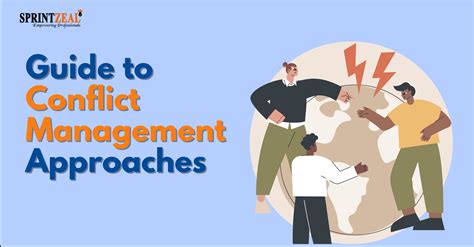
Creating a mod is a labor of love, a passion project often born from a desire to enhance a beloved game. However, the journey doesn’t end with code and assets; it extends into the intricate world of community interaction. For many mod creators, managing player feedback and navigating the often-turbulent waters of online communities can be as challenging as the development itself. Unchecked, negative feedback can spiral into toxic drama, draining motivation and even leading to project abandonment. This guide will equip you with best practices to foster a healthy community, manage feedback constructively, and protect your creative space.

Setting Clear Expectations and Boundaries from Day One
The foundation of a healthy community lies in clear communication. Before launching your mod, or even during its early alpha stages, articulate your vision, scope, and what players can realistically expect. This preemptively manages expectations and reduces frustration. Clearly define your mod’s goals – is it a major overhaul, a quality-of-life improvement, or a quirky addition? State what you are and are not planning to implement.
Equally important is establishing clear community guidelines. These rules should dictate acceptable behavior on your forums, Discord server, or any other official channel. Be explicit about what constitutes respectful interaction, how to report bugs, and what topics are off-limits. Consistency in enforcing these rules is paramount.
Establishing Effective Feedback Channels
Simply saying “give feedback” is not enough. You need to provide structured avenues for players to share their thoughts. A dedicated bug tracker, a specific forum section for suggestions, or even a clearly defined channel on Discord can streamline the process. Avoid relying solely on general chat channels, where important feedback can easily get lost in the noise.
Encourage users to be specific. Provide a template for bug reports (e.g., “What happened, what did you expect to happen, steps to reproduce, relevant screenshots/logs”). For feature requests, ask them to explain the “why” behind their suggestion. This not only makes feedback more actionable but also teaches the community how to provide valuable input.

Transparent Communication and Progress Updates
Keeping your community informed is a powerful tool against toxicity. Regularly post updates on your mod’s progress, even if it’s just to say you’re still working on it. Share insights into development challenges, design decisions, and future plans. This transparency builds trust and makes players feel more invested in the project’s success rather than just being passive consumers.
When you receive feedback, acknowledge it. Even if you can’t implement every suggestion, a simple “Thanks for the idea, we’ll consider it!” can go a long way. If you decide not to implement something, politely explain your reasoning. This shows respect for your community’s input and prevents feelings of being ignored or unheard.

Strategies for Handling Negative and Toxic Interactions
No matter how well you manage your community, you will encounter negative feedback and, occasionally, outright toxicity. The key is to differentiate between constructive criticism (even if delivered poorly) and genuinely malicious or disruptive behavior. Legitimate criticism, even if harsh, often comes from a place of passion for the game and can be valuable.
For toxic behavior, do not engage. Trolls thrive on attention and reaction. Instead, rely on your established community guidelines and moderation tools. If you have moderators, empower them to act. If not, be prepared to enforce your rules yourself – mute, warn, or ban as necessary. Consistency here is vital; showing leniency to one bad actor can quickly undermine your entire moderation effort. Focus on protecting the vast majority of your positive community members from a disruptive few.
Cultivating a Positive and Supportive Environment
While managing negativity is important, actively cultivating positivity is even more so. Highlight and celebrate helpful community members, great bug reports, creative suggestions, or positive discussions. Encourage players to help each other. Consider setting up a “showcase” for player-made content using your mod, or run community polls on future features. By focusing on and rewarding good behavior, you shift the community’s energy towards constructive engagement.
Remember that your modding journey is ultimately your own. While community input is invaluable, don’t let external pressure dictate every design choice or steal your joy. Maintain your creative vision, lean on your positive supporters, and remember why you started modding in the first place.
Conclusion: Empowering Your Modding Journey
Managing feedback and preventing toxic drama is an ongoing process, not a one-time fix. By implementing clear expectations, structured feedback channels, transparent communication, and consistent moderation, mod creators can build robust, supportive communities. This allows you to focus more on the creative aspects of modding and less on firefighting interpersonal conflicts. Embrace these practices, and you’ll not only enhance your mod but also create a welcoming space for everyone who enjoys your work.