Best practices for mod teams to handle community feedback and reduce toxicity?

In the vast landscape of online interaction, community health is paramount. Mod teams serve as the frontline defenders, tasked with curating an environment where members feel safe, heard, and engaged. Effectively handling community feedback and proactively reducing toxicity are not just reactive measures, but cornerstones of a thriving digital space.
Establishing Clear Guidelines and Expectations
The foundation of a healthy community lies in well-defined and easily accessible rules. Mod teams must collaboratively develop a comprehensive code of conduct that outlines acceptable and unacceptable behaviors. These guidelines should be clearly communicated upon entry to the community and readily available at all times. Consistency in enforcement is equally vital; members must trust that the rules apply fairly to everyone, regardless of their status or history within the community. Transparency about the consequences of violations helps set expectations and deters disruptive behavior.

Creating Accessible and Responsive Feedback Channels
For a community to truly feel heard, mod teams need to provide multiple, intuitive channels for feedback and reporting. This could include dedicated “suggestions” or “bug reports” forums, private messaging systems for sensitive issues, or even anonymous reporting tools. Crucially, simply having these channels isn’t enough; the mod team must be responsive. Acknowledge receipt of feedback, provide updates on actions taken, and explain why certain suggestions might not be implemented. This transparency builds trust and encourages constructive input, rather than letting frustrations fester into negativity.
Practicing Consistent and Transparent Moderation
Consistency is key to maintaining fairness and predictability. Every moderator on the team should be aligned on how to interpret and apply the community guidelines. Regular internal meetings and a shared knowledge base can help ensure this uniformity. When moderation actions are taken, especially those involving warnings or temporary bans, it’s often beneficial to provide a concise explanation (where appropriate and privacy-permitting). This transparency can prevent misunderstandings, reduce perceived bias, and educate users on acceptable conduct, thereby reducing repeat offenses and overall toxicity.
Mastering De-escalation and Conflict Resolution
Toxicity often begins subtly before spiraling. Mod teams should be trained in de-escalation techniques. This involves identifying potential conflicts early, addressing them privately whenever possible, and focusing on the behavior rather than personal attacks. When mediating disputes, remain neutral, listen actively to all sides, and guide participants towards a constructive resolution. Public warnings or interventions should be a last resort and executed with professionalism and clarity, aiming to restore order and reinforce community values.

Fostering Team Collaboration and Support
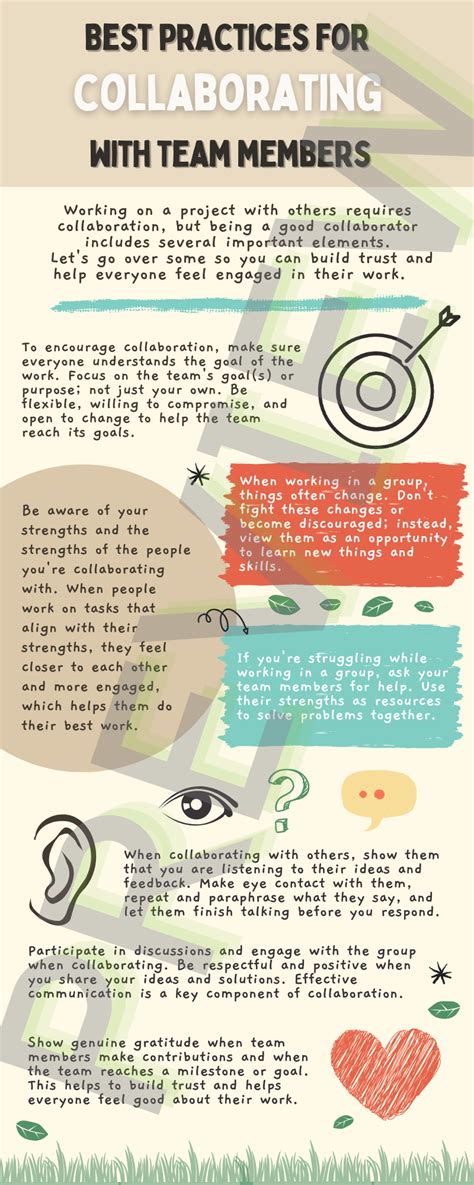
Effective moderation is a team effort. Regular communication among mod team members is essential for sharing insights, discussing challenging cases, and ensuring a unified approach. Establishing a support system for moderators is also vital, as handling toxicity can be emotionally taxing. This might include dedicated channels for mods to vent, opportunities for debriefing difficult situations, and recognition for their hard work. A well-supported and cohesive mod team is better equipped to handle the demands of community management.
Leveraging Tools and Analytics for Proactive Management
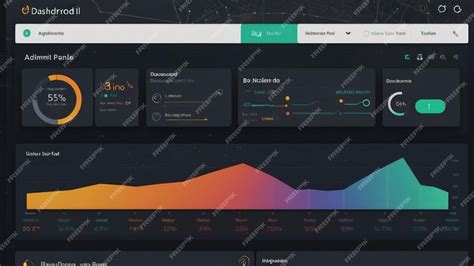
Modern moderation tools offer powerful capabilities for managing community health. Automated filters can catch spam, hate speech, or excessive profanity before it becomes public. Reporting systems empower the community to flag issues, augmenting the mod team’s reach. Beyond immediate actions, utilizing analytics can provide insights into community trends, identify hotspots of toxicity, or reveal common feedback themes. This data-driven approach allows mod teams to be more proactive in their strategies, anticipating potential issues and adjusting guidelines or outreach efforts as needed.
Conclusion: Building a Resilient and Respectful Community
Handling community feedback and reducing toxicity is an ongoing, iterative process. By implementing clear guidelines, fostering open communication, practicing consistent moderation, and empowering their team with the right tools and training, mod teams can transform chaotic online spaces into vibrant, welcoming communities. The ultimate goal is not just to suppress negativity, but to cultivate an environment where positive interactions flourish, and every member feels valued.