Best practices for moderating toxic behavior in game modding communities?

Game modding communities are vibrant hubs of creativity and passion, but like any online space, they can be susceptible to toxic behavior. From personal attacks and harassment to gatekeeping and unconstructive criticism, such negativity can stifle innovation and drive away valuable contributors. Establishing effective moderation practices is crucial for maintaining a healthy, welcoming environment where creativity can flourish.
Clear and Comprehensive Community Guidelines
The bedrock of any effective moderation strategy is a well-defined set of community guidelines. These rules should be easily accessible, clearly articulated, and cover a wide range of potential issues, including acceptable language, respect for others, constructive feedback, and how to report violations. Make sure they are specific enough to be enforceable but broad enough to cover various scenarios. Involve community members in their creation or review to foster a sense of ownership and understanding.

Consistent and Fair Enforcement
Guidelines are only as good as their enforcement. Moderators must apply the rules consistently and fairly across all users, regardless of their status or contributions. Inconsistent enforcement breeds resentment and can lead to a perception of favoritism or bias, eroding trust in the moderation team. Develop a clear process for handling violations, including warnings, temporary bans, and permanent bans, and ensure all moderators are trained on these procedures.
Empowering Community Leaders and Mentors
Beyond the official moderation team, empower positive community members to become leaders or mentors. These individuals can help new users, answer questions, and set a positive example, often defusing minor conflicts before they escalate. Acknowledging their contributions can foster a stronger sense of community ownership and provide an additional layer of informal moderation and support.

Transparent Communication
Transparency builds trust. When making moderation decisions, especially significant ones, communicate clearly why a particular action was taken (without revealing personal details of others). Explain the reasoning behind rule changes or new policies. Encourage open dialogue, perhaps through dedicated feedback channels, but be firm in upholding the core values of the community.
Leverage Moderation Tools and Automation
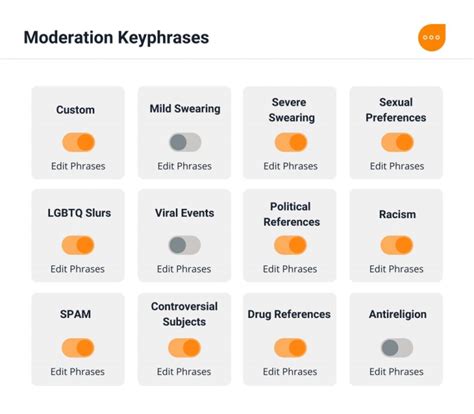
Utilize available moderation tools, whether built into the platform (e.g., Discord bots, forum moderation suites) or third-party solutions. These tools can help automate the detection of spam, offensive language, or repeated rule violations, freeing up human moderators to focus on more nuanced issues. Automate warnings for minor infractions and streamline the reporting process.
Promote Constructive Engagement and Conflict Resolution
Actively promote and model constructive ways to engage. Encourage users to provide feedback respectfully and to disagree without being disagreeable. When conflicts arise, focus on de-escalation techniques. This might involve separating parties, mediating discussions, or clearly stating that specific behaviors are unacceptable and will not be tolerated. The goal is to resolve issues, not just punish.
Foster a Positive Culture
Moderation isn’t just about stopping bad behavior; it’s also about actively cultivating good behavior. Organize events, highlight positive contributions, and celebrate successes within the modding community. A strong positive culture can naturally push back against negativity, as members are more likely to self-police and uphold shared values.
Support and Self-Care for Moderators
Moderating can be an emotionally taxing role. Ensure your moderation team has access to support, whether it’s through peer discussions, clear escalation paths, or even mental health resources if needed. Prevent burnout by distributing tasks, encouraging breaks, and acknowledging their invaluable efforts. A healthy moderation team is a more effective one.

Conclusion
Moderating game modding communities requires a proactive, multi-faceted approach. By establishing clear guidelines, ensuring consistent enforcement, empowering positive voices, leveraging technology, and prioritizing the well-being of moderators, communities can effectively combat toxicity. The ultimate goal is to create spaces where creativity thrives, collaboration is encouraged, and all members feel respected and valued, allowing the passion for modding to shine through without the shadow of negativity.