Best practices for reviewing live service & early access games?

Reviewing video games has always been an art, balancing objective analysis with subjective experience. However, the rise of live service titles and the proliferation of early access releases have introduced a new layer of complexity, demanding a distinct set of best practices from critics. These games are not static products; they are evolving ecosystems, often incomplete at launch, and shaped by ongoing development and player feedback. A traditional review model simply doesn’t capture their dynamic nature.
Embracing the Evolving Nature of Live Service Games
Live service games are designed for longevity, receiving continuous updates, expansions, and seasonal content. A launch review, while important for initial impressions, can quickly become outdated. The best practice here is to view the launch as merely the first chapter in an ongoing story. Reviewers must assess not just the initial content, but also the underlying systems, the quality of post-launch support, and the developer’s communication strategy.
This means considering the game’s foundation: is the core gameplay loop engaging enough to sustain interest through future updates? Is the monetization fair? How does the developer handle bugs and community feedback? A live service game’s review should reflect its current state but also hint at its potential trajectory, based on observable developer behavior and stated roadmaps.

Navigating the Early Access Landscape
Early access games present a different challenge. By definition, they are unfinished, works-in-progress often released to gather player feedback and fund continued development. Reviewing such a title requires a significant shift in perspective. The goal isn’t to critique a finished product, but to evaluate its promise, its current playability, and the clarity of its development vision.
Crucially, reviewers must clearly communicate that the game is in early access. This isn’t just a disclaimer; it’s a fundamental part of the review’s context. Readers need to understand they are investing in potential, not perfection. Assess the current feature set, the stability, the existing bugs, and the developer’s communication regarding future plans. Is the game fun now, despite its rough edges, or is it primarily a tech demo? Evaluate the game against its early access contemporaries, not against fully released AAA titles.

Core Principles for Reviewers
1. Focus on the “Now,” Acknowledge the “Future”
Review what is currently available and playable. Avoid speculation about future content, but do mention publicly available roadmaps or developer promises. Distinguish clearly between what is and what might be.
2. Transparency and Disclosures
Always state the game’s status: early access, pre-release build, launch review of a live service, or a post-update review. Explain what this status implies for the review’s scope and conclusions. This builds trust with your audience.
3. Engage with Community and Developer Interaction
For live service and early access games, the developer’s engagement with their community is a vital component. Are they responsive to feedback? Do they communicate changes effectively? Is there a visible and active dialogue? This can be a strong indicator of a game’s long-term health and a crucial point for review.

4. The “Living Review” Approach
Consider the concept of a “living review” or follow-up articles. For games that fundamentally change over time, an initial review can be updated or supplemented with new pieces as major patches or expansions drop. This ensures your coverage remains relevant and accurate, offering readers an with an evolving perspective on an evolving game.
Ethical Considerations and Managing Expectations
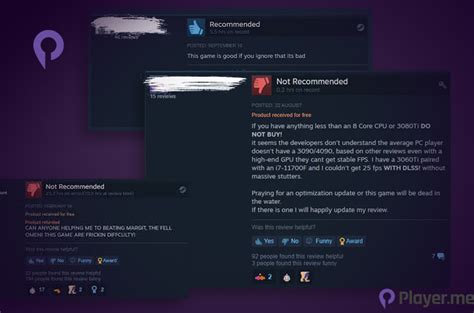
The unique nature of these games brings ethical considerations. It’s crucial not to over-praise potential, nor to unduly punish a game for being incomplete when it’s explicitly labeled as early access. The review’s role is to inform the consumer about the present state and credible future, allowing them to make an informed purchasing decision.
Reviewers must manage reader expectations, clearly explaining the risks and rewards of engaging with a game that is still under active development or subject to constant change. Be honest about the current fun factor, but also about the potential for bugs, content droughts, or even eventual abandonment. Maintaining journalistic integrity is paramount when dealing with products that are not yet final.

Conclusion
Reviewing live service and early access games is a dynamic and challenging endeavor, demanding a nuanced approach that moves beyond the traditional fixed-point critique. By prioritizing transparency, focusing on the current playable experience while acknowledging future potential, engaging with community dynamics, and adopting flexible review models, critics can provide invaluable guidance to players navigating these constantly evolving digital worlds. The goal isn’t just to judge a game, but to illuminate its journey.