





Best practices for updating gaming reviews for post-launch patches?
The landscape of video games has drastically shifted. Gone are the days when a game was a static product upon release; today, many titles, particularly live-service and online-focused experiences, evolve dramatically through post-launch patches, updates, and expansions. This evolution presents a unique challenge for game reviewers: how to ensure a review remains relevant and accurate months, or even years, after its initial publication. Updating gaming reviews for post-launch patches isn’t just good practice; it’s essential for maintaining credibility and providing valuable, current information to an audience.
The Evolving Nature of Game Reviews
Initial game reviews capture a snapshot in time—the game as it was at launch. However, a significant patch can address critical bugs, rebalance gameplay mechanics, introduce new features, or even overhaul entire systems. Ignoring these changes renders an initial review potentially misleading or outright obsolete. Reviewers, therefore, bear the responsibility of revisiting and re-evaluating games that undergo substantial post-launch development.

Establishing Clear Update Protocols
One of the most crucial best practices is to establish and clearly communicate a protocol for review updates. Readers need to know when and why a review has been altered. This transparency builds trust and helps the audience understand the context of any changes.
Transparency and Disclosure
Any updated review should begin with a prominent disclosure statement. This statement should clearly indicate that the review has been updated, the date of the update, and a brief explanation of what prompted the revision (e.g., “Updated on [Date] to reflect changes introduced in Patch X.X”).
It’s also beneficial to maintain an archive of the original review or at least highlight the sections that have been specifically altered or added. Some publications opt for a ‘version history’ section, detailing all significant updates over time.
Strategies for Effective Re-evaluation
Revisiting a game isn’t simply about playing it for a few hours. It requires a structured approach to ensure the update is comprehensive and accurate.
Focus on Key Changes
Instead of re-reviewing the entire game from scratch, focus your time and effort on the areas most affected by the patch. This might include:
- Performance and Stability: Have frame rate issues been resolved? Are crashes less frequent?
- Gameplay Mechanics: Have combat systems, crafting, or progression been rebalanced or redesigned?
- Content Additions: How do new levels, characters, or game modes integrate and impact the overall experience?
- Player Feedback: How have the developers addressed common complaints or suggestions from the community?
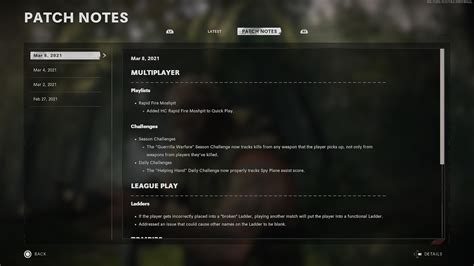
It’s often helpful to consult patch notes thoroughly before diving back into the game to identify the critical areas for re-evaluation.
Structuring the Updated Review
Integrating new information seamlessly into an existing review can be challenging. Rather than completely rewriting large sections, which can obscure the original critique, consider these methods:
Dedicated Update Sections
The most common and effective approach is to add a new section, often titled “Post-Launch Update,” “Patch Analysis,” or “Long-Term Review.” This section should be clearly delineated from the original text and discuss the specific changes, their impact, and any revised conclusions. This allows readers to easily compare the game’s initial state with its current iteration.
Revised Scores and Recommendations
If the post-launch changes are substantial enough to fundamentally alter the game’s quality, a score adjustment might be warranted. If a score is changed, provide a detailed explanation for the revision. Even without a score change, a revised recommendation or concluding statement is often necessary to reflect the game’s current standing.
The Timeliness of Updates and Resource Management
While promptness is desirable, it’s crucial to allow sufficient time to evaluate a patch’s long-term effects. A day-one patch might fix immediate issues, but major content drops or system reworks often require more extensive playtime to truly assess their impact. Reviewers must strike a balance between providing timely updates and ensuring those updates are well-informed and accurate.
For independent reviewers or smaller outlets, resource management is a real concern. Not every minor patch warrants a full review update. Prioritize updates for patches that introduce significant content, overhaul core mechanics, or drastically alter performance and stability. Clear internal guidelines can help manage this workload efficiently.

Conclusion
Updating gaming reviews for post-launch patches is a vital component of modern game criticism. By embracing transparency, employing structured re-evaluation strategies, clearly structuring updates, and managing resources effectively, reviewers can ensure their work remains relevant, trustworthy, and truly serves the evolving gaming community. This commitment to continuous assessment not only benefits readers but also elevates the standard of game journalism in an ever-changing industry.



