Best strategies to efficiently track gaming news, patch notes, & new releases?

In the ever-evolving landscape of video games, keeping up with the latest news, crucial patch notes, and upcoming releases can feel like a full-time job. With countless developers, publishers, and platforms, information is scattered across the internet. Fortunately, by adopting a strategic approach, you can streamline your information gathering and stay informed without feeling overwhelmed.
Centralized Gaming News Hubs
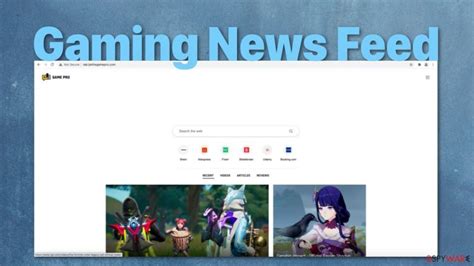
One of the most straightforward ways to track general gaming news is through established gaming websites and aggregators. Sites like IGN, GameSpot, PC Gamer, Polygon, and Eurogamer provide comprehensive coverage, reviews, previews, and daily news updates across all platforms. Many also feature dedicated sections for upcoming releases and major announcements.
RSS feeds or custom news aggregators (like Feedly) can be used to pull headlines from your favorite sites into a single dashboard. This allows for quick scanning and deeper dives into articles of interest, saving valuable time.

Direct from Publishers and Developers
For the most accurate and timely information, especially regarding specific games or franchises, going directly to the source is often best. Most game publishers and developers maintain official websites, blogs, and social media channels (Twitter, Facebook, Instagram, YouTube) where they post announcements, patch notes, and development updates first.
Subscribing to official newsletters or following their social media accounts can provide direct notifications. For very specific patch notes, game-specific forums or dedicated ‘news’ sections on a game’s official website are invaluable resources. Some developers also host AMAs (Ask Me Anything) or developer streams on platforms like Twitch, offering direct insights.
Community-Driven Platforms
The gaming community itself is a powerful force for information dissemination. Platforms like Reddit host vibrant subreddits for almost every popular game and gaming genre, where users actively discuss news, analyze patch notes, share findings, and speculate on upcoming releases. Many developers also engage directly with their communities on Reddit.
Discord servers are another excellent resource. Many games have official or large community-run Discord servers with dedicated channels for news, patch notes, and announcements. These often provide real-time updates and allow for direct interaction with other players and sometimes even developers.

Automated Tools and Subscriptions
Leverage technology to do some of the heavy lifting. Beyond RSS feeds, consider utilizing YouTube channels dedicated to gaming news and analysis. Many content creators specialize in breaking down complex patch notes or compiling weekly news summaries, offering a digestible format.
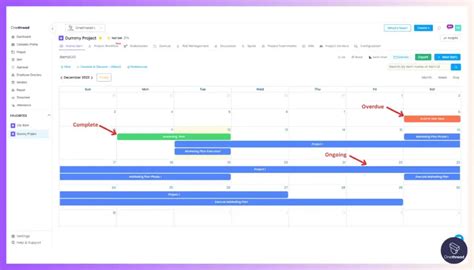
For tracking new releases, services like Steam’s Wishlist feature, the PlayStation Store’s Follow function, or Xbox’s ‘Games Coming Soon’ section allow you to flag titles of interest and receive notifications. Dedicated apps like ‘Release Date Calendar’ or similar web services can also provide a personalized calendar of upcoming games.
Specialized Tracking for Patch Notes
Patch notes often require a more focused approach. Many games, especially online multiplayer titles, integrate patch notes directly into their game client on startup. Always check the ‘news’ or ‘update’ section within the game itself. Websites like WoWHead for World of Warcraft or Dotabuff for Dota 2 are examples of community-driven databases that meticulously track and explain game changes.
Some developers maintain public Trello boards or similar project management tools that give a transparent look at upcoming features, bug fixes, and development progress. Joining public test realms (PTRs) or beta programs can also give you a firsthand look at changes before they go live.

Combining Strategies for Maximum Efficiency
No single method is perfect, so the most effective strategy involves combining several approaches. Start with a few reliable news hubs for broad coverage, supplement with direct developer channels for specific games you play regularly, and engage with community platforms for discussion and real-time updates. Utilize automated tools to catch what you might otherwise miss. By building a personalized ecosystem of information sources, you can efficiently stay informed about the dynamic world of gaming without sacrificing too much of your valuable gaming time.