Best strategies to make gaming guides concise yet comprehensive?

The Delicate Balance: Crafting Effective Gaming Guides
In the vast and ever-evolving world of gaming, players frequently seek guidance to overcome challenges, discover secrets, or simply enhance their experience. Writing a gaming guide presents a unique challenge: how do you provide all the necessary information without overwhelming the reader? The key lies in striking a delicate balance between conciseness and comprehensiveness. This article explores best practices for achieving just that, ensuring your guides are invaluable resources for any player.
1. Strategic Structuring for Ultimate Clarity
The foundation of any good guide is its structure. A well-organized guide allows readers to quickly find the information they need, whether they’re looking for a specific boss strategy or a quest objective. Start with a clear, hierarchical outline. Use descriptive headings (H2, H3) for different sections, chapters, or objectives. A clickable Table of Contents (TOC) is invaluable for longer guides, enabling swift navigation.
- Logical Flow: Present information in a sequential, intuitive order, typically following the game’s progression.
- Modular Sections: Break down complex topics into smaller, digestible modules, each with its own heading.
- Quick Reference: Incorporate “tl;dr” (too long; didn’t read) summaries or quick tips sections at the beginning or end of crucial segments.
2. Employing Efficient Language and Visuals
Conciseness doesn’t mean omitting details; it means presenting them efficiently. Use direct, active voice and avoid unnecessary jargon or flowery language. When technical terms are unavoidable, provide a brief, clear explanation. Bullet points and numbered lists are your best friends for conveying steps, item lists, or critical information quickly.

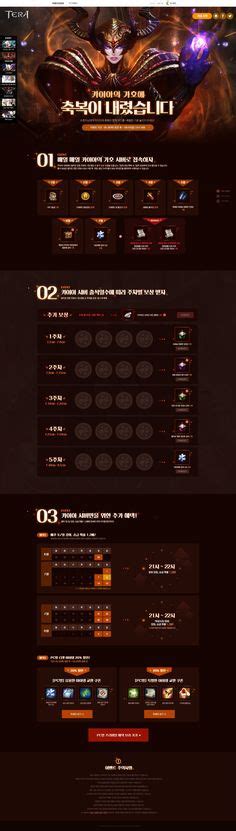
Visual aids are paramount for comprehensiveness without adding excessive text. Screenshots can illustrate puzzle solutions, item locations, or enemy weaknesses more effectively than paragraphs of description. Flowcharts or simple diagrams can clarify complex mechanics or optimal routes. Remember to caption all visuals clearly and ensure they add genuine value.
- Direct Language: Get straight to the point. Focus on what the player needs to know to succeed.
- Actionable Advice: Frame instructions as clear, executable steps.
- Visual Reinforcement: Use images and simple graphics to convey information that is difficult or tedious to describe in text.
3. Prioritizing Information for Your Audience

Understanding your target audience is crucial. Are you writing for newcomers who need basic explanations, or veterans looking for advanced strategies and optimal builds? Tailor your level of detail accordingly. For broader appeal, consider separating core walkthroughs from advanced tactics or optional content.
- Essential vs. Optional: Clearly distinguish between critical path information and side quests, collectibles, or lore details. Use distinct formatting (e.g., “Optional Objective” headings).
- Key Takeaways: Highlight crucial tips, common pitfalls, and recommended strategies using bold text, call-out boxes, or dedicated “Pro Tips” sections.
- Glossaries: For games with extensive lore or unique mechanics, a brief glossary can provide comprehensive understanding without cluttering the main guide.
4. Iteration and Feedback for Refinement
No guide is perfect on the first draft. The process of making a guide concise yet comprehensive is iterative. After writing, step back and review. Are there any sections that could be shortened without losing meaning? Are there gaps in information that need filling? Reading your guide aloud can often reveal awkward phrasing or confusing instructions.

Soliciting feedback from others, especially players unfamiliar with the game or your writing style, is invaluable. They can pinpoint areas of confusion or suggest missing details that you, as the author, might overlook due to your familiarity with the subject matter. This iterative refinement ensures your guide hits the mark for both brevity and thoroughness.
Conclusion: The Art of the Balanced Guide
Crafting a gaming guide that is both concise and comprehensive is an art form. It requires meticulous planning, an understanding of your audience, and a commitment to clear communication. By focusing on strategic structuring, efficient language and visuals, intelligent information prioritization, and continuous refinement, you can produce guides that empower players without overwhelming them. These invaluable resources stand as testaments to effective content creation, guiding countless adventurers through their digital journeys.