Best strategies to overcome tilt and maintain focus in high-stakes esports matches?

The Crucial Role of Mental Fortitude in Esports
In the electrifying world of high-stakes esports, skill and mechanics are paramount, but they are often overshadowed by the mental game. The ability to perform under immense pressure, recover from setbacks, and maintain razor-sharp focus is what truly separates champions from contenders. Two of the biggest mental hurdles for esports professionals are “tilt” and maintaining consistent focus throughout a lengthy, intense match.
Tilt, a term borrowed from poker, describes a state of emotional frustration, anger, or confusion that leads to suboptimal decision-making and performance degradation. It can stem from a bad play, a teammate’s mistake, an opponent’s perceived luck, or even technical issues. Losing focus, on the other hand, can be a gradual process, leading to missed opportunities, misplays, and a general decline in game awareness. Mastering these aspects is not just about raw talent; it’s about disciplined psychological training.

Pre-Match Preparation: Building a Tilt-Resistant Foundation
Preventing tilt and ensuring focus begins long before the match starts. A robust pre-match routine is essential for setting the right mental state:
1. Physical and Mental Well-being
- Adequate Sleep: Consistent, quality sleep is non-negotiable for cognitive function and emotional regulation.
- Nutrition and Hydration: A balanced diet and sufficient water intake prevent energy dips and maintain mental clarity.
- Exercise: Physical activity reduces stress and improves mood, providing a healthy outlet for competitive energy.
2. Strategic Review and Practice
- VOD Review: Analyze past performances (both your own and opponents’) to identify patterns, strengths, and weaknesses.
- Targeted Practice: Focus on improving specific aspects of your gameplay that might be exploited by opponents.
- Scenario Planning: Mentally walk through potential in-game situations and how you’d react to maintain composure.
3. Mindset and Goal Setting
- Positive Self-Talk: Replace negative thoughts with constructive, encouraging ones.
- Realistic Expectations: Understand that mistakes will happen. Focus on process goals (e.g., “execute strategy A,” “maintain vision control”) rather than outcome goals (e.g., “win the match”).
- Pre-Match Rituals: A consistent ritual (e.g., listening to music, meditation, specific warm-ups) can signal to your brain that it’s time to focus.

In-Match Strategies: Battling Tilt and Recapturing Focus
Even with the best preparation, tilt and focus issues can arise. The key is having immediate, actionable strategies:
1. Emotional Regulation Techniques
- Deep Breathing: When frustration mounts, take a slow, deep breath in through your nose, hold for a few seconds, and exhale slowly through your mouth. This calms the nervous system.
- Anchor Phrases: Develop a short, personal mantra (e.g., “Next round,” “Reset,” “Focus on objectives”) to repeat mentally when you feel tilt creeping in.
- Physical Reset: If possible (e.g., during a respawn timer, between rounds), briefly shift your gaze away from the screen, stretch, or clench and release your fists to release tension.
2. Cognitive Reframing
- Focus on the Next Play: Dwelling on past mistakes is detrimental. Immediately shift your attention to the upcoming decision or action.
- Learn, Don’t Dwell: Acknowledge the mistake, quickly analyze what went wrong, and commit to not repeating it, then move on.
- Attribute Neutrality: Avoid assigning blame (to yourself or teammates). Focus on what can be done collectively to improve the current situation.

3. Maintaining and Shifting Focus
- Micro-Goals: Break down the match into smaller, manageable goals (e.g., “secure this objective,” “get pick X,” “maintain specific positioning”). Achieving these small wins builds momentum and focus.
- Communication: Clear, concise, and constructive communication with teammates is crucial. Avoid accusatory language; instead, focus on strategy and calls.
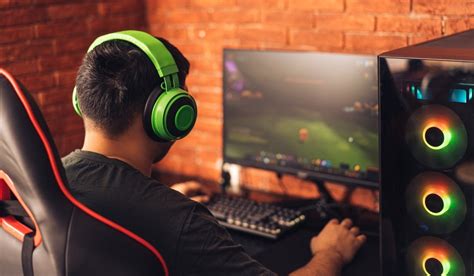
- Environmental Control: Minimize distractions in your playing environment. This includes turning off notifications, avoiding unnecessary background noise, and ensuring comfortable ergonomics.
Post-Match Reflection: Growth and Adaptation
The mental game doesn’t end when the match does. Post-match reflection is vital for long-term improvement:
- Objective Analysis: Review replays with a critical but non-judgmental eye. Identify moments of tilt or lost focus and analyze their root causes.
- Journaling: Documenting your mental state, triggers, and effective countermeasures can help you recognize patterns and develop personalized strategies.
- Feedback Integration: Discuss your mental performance with coaches or trusted teammates. Outside perspectives can offer valuable insights.
Conclusion: The Ongoing Journey of Mental Mastery
Overcoming tilt and maintaining focus in high-stakes esports matches is an ongoing journey, not a destination. It requires consistent effort, self-awareness, and the willingness to practice mental skills as diligently as mechanical ones. By implementing pre-match preparations, in-match coping mechanisms, and post-match reflections, esports players can cultivate the mental resilience needed to perform at their peak, even when the pressure is immense. True champions are not just mechanically superior; they are mentally unshakeable.