Best strategy to efficiently update game guides after patches or DLC releases?

The Ever-Evolving Game Landscape
Modern video games are dynamic ecosystems, constantly evolving through patches, hotfixes, and extensive DLCs. For content creators dedicated to crafting comprehensive game guides, this constant flux presents a significant challenge: how to keep guides accurate, relevant, and helpful without succumbing to an endless update cycle. An efficient strategy is crucial not just for maintaining quality, but also for preserving the sanity of the guide writer.
Pre-Release Preparation: Laying the Groundwork
The most effective update strategy begins long before a patch or DLC goes live. Proactive measures can drastically reduce the scramble once new content drops.
Monitor Official Channels Religiously
Stay glued to official developer blogs, social media, forums, and community managers. Developers often release patch notes, developer diaries, or teasers weeks in advance. This intel allows you to anticipate changes, identify potentially impacted guide sections, and even draft placeholder updates.
Participate in Public Test Realms (PTRs)
If the game offers a PTR or beta server, utilize it. This hands-on experience allows you to directly witness changes, test new mechanics, and verify information before the update hits live servers. It’s an invaluable opportunity to gather screenshots, test builds, and understand the nuances of new content.
Create a Change Log Template
Before an update, prepare a simple template to track changes. This could include sections for ‘affected guides/sections’, ‘type of change (nerf, buff, new content)’, ‘priority’, and ‘status’.
During Patch/DLC Release: Swift Assessment and Prioritization
When the update finally drops, your focus should shift to rapid assessment and strategic prioritization of updates.
Rapid Impact Assessment
Immediately after the patch notes are released, or you’ve had initial hands-on time, perform a quick scan to identify which parts of your existing guides are most heavily affected. Is it a minor number tweak, or a fundamental change to a core game system? New quests, items, or areas will require entirely new guide sections.
Prioritize Critical Changes
Not all updates are equal. Prioritize changes that: severely break existing strategies or builds; introduce major new content (e.g., a new raid or character class); or fix/introduce game-breaking bugs. Information on these critical areas should be updated first to ensure your audience isn’t misled or frustrated.
Implement a Staged Update Approach
Instead of trying to update everything at once, consider a staged approach. Acknowledge the update with a prominent banner on your guide noting it’s being updated. Push out quick, essential corrections first (e.g., changed stats, broken quest steps), then follow up with more detailed analysis, new strategies, and comprehensive additions for DLC content.
Post-Release Maintenance: Accuracy and Community Engagement
The work doesn’t stop once the initial updates are live. Ongoing maintenance is key to long-term guide relevance.
Leverage Community Feedback
Your readers are your greatest asset. Encourage comments, bug reports, and suggestions. Players often discover nuances or errors you might have missed. Implement a system to review and act on this feedback promptly, giving credit where appropriate.
Version Control and Archiving
For extensive guides, consider implementing a simple version control system. Note the patch version a guide was last updated for. For heavily overhauled content, consider archiving older versions or clearly marking outdated sections rather than deleting them entirely, which can be helpful for players returning to older versions of the game or specific challenges.
Tools and Best Practices for Efficiency
Modern tools and systematic approaches can streamline the update process.
Content Management Systems (CMS)
Utilize a CMS that allows for easy editing, version tracking, and quick publication. Features like templating, tag management, and search functionality can significantly speed up the update process.
Collaboration Tools
If you work with a team, employ collaboration tools (e.g., Trello, Asana, Google Docs) to assign tasks, track progress, and ensure everyone is aware of what needs updating and by whom.
Modular Guide Structure
Design your guides with modularity in mind. Instead of monolithic blocks of text, break content into smaller, self-contained sections. This makes it easier to update individual components without re-writing entire guides.
Key Areas to Monitor for Updates
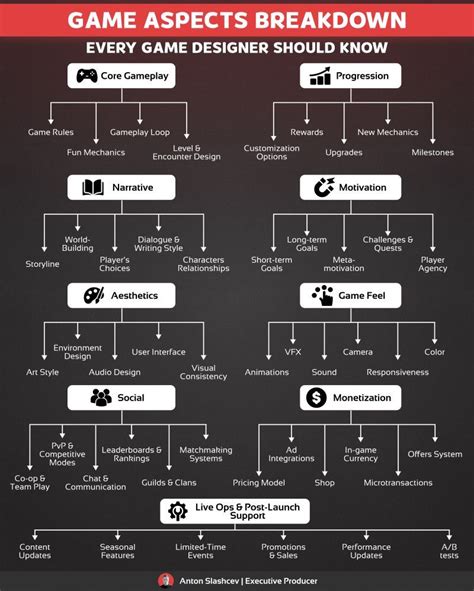
When approaching a new patch or DLC, focus your attention on these common areas for changes:
- Gameplay Mechanics: Core systems, combat changes, resource generation, crafting.
- Character/Class Balance: Skill changes, stat adjustments, talent tree modifications.
- Quests and Storylines: New quests, changes to existing quest objectives, narrative alterations.
- Items, Gear, and Resources: New loot, stat changes on existing items, crafting material adjustments, economy shifts.
- Maps and Locations: New zones, layout changes to existing areas, new points of interest.
- Exploits and Bugs: Fixes to bugs that impact gameplay or strategy, or the introduction of new ones.
Conclusion
Updating game guides efficiently after patches or DLC releases is a testament to dedication and strategic planning. By being proactive, prioritizing effectively, leveraging community input, and utilizing smart tools, guide creators can ensure their work remains a reliable and invaluable resource for the gaming community, navigating the ever-shifting sands of modern game development with precision and authority.