Best strategy to keep game guides updated for live-service changes?

The Constant Challenge of Live-Service Games
Live-service games, with their ever-evolving content, balance changes, and new features, present a unique challenge for guide creators. A perfectly crafted guide can become outdated overnight, leading to frustrated players and a diminished reputation for the guide writer. Staying on top of these rapid changes is crucial for relevance and accuracy.
The core dilemma lies in balancing the time investment of creating detailed guides with the reality of their ephemeral accuracy. For professional guide writers and community managers, developing a robust strategy to keep game guides current isn’t just a best practice—it’s a necessity.

Proactive Monitoring and Information Gathering
The first line of defense against obsolescence is proactive monitoring. This involves closely tracking official developer channels, including patch notes, developer blogs, social media announcements, and public test realms (PTRs) or beta environments. Subscribing to official newsletters and RSS feeds can also provide early warnings of upcoming changes.
Many developers offer detailed breakdowns of patch content, often weeks in advance. Leveraging this information allows guide writers to anticipate necessary updates and even prepare drafts before changes go live. Being part of a game’s content creator program, if available, can also grant early access to information or direct communication channels with developers.
Leveraging Community Insights and Feedback
No single person can catch every nuance of a live-service game’s changes. The collective knowledge of the player community is an invaluable resource. Engaging with players through forums, Discord servers, Reddit, and comment sections of your own guides can provide real-time feedback on what’s changed, what’s broken, and what needs clarification.
Setting up dedicated feedback channels or encouraging readers to report outdated information empowers the community to contribute to the guide’s accuracy. While always cross-referencing community reports with official sources, this collaborative approach can significantly reduce the burden of individual monitoring.

Designing Guides for Easier Updates (Modularity)
How a guide is structured can dramatically impact the ease of updating it. Adopting a modular design approach is highly effective. Separate core, immutable mechanics from volatile elements like item stats, ability numbers, or optimal builds.
- Separate Data Tables: Keep frequently changing numerical data in easily editable tables or dedicated sections.
- Clear Sectioning: Use clear headings and subheadings to compartmentalize information.
- Link, Don’t Repeat: Instead of repeating information across multiple guides, link to a central source for common mechanics or item descriptions.
- Focus on Principles: Emphasize underlying strategies and principles that are less likely to change, rather than rigid step-by-step instructions for specific versions.
Implementing Version Control and Timestamps
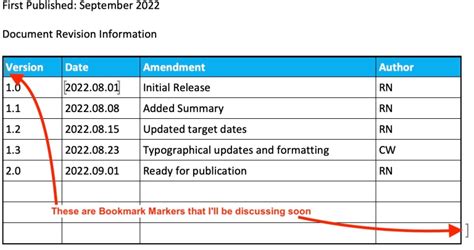
Transparency is key. Always include a “Last Updated” timestamp and, ideally, mention the specific game version or patch number the guide is relevant for. This manages player expectations and helps them understand if the information is still current. For major overhauls, consider archiving older versions of guides or clearly labeling them as “Legacy Content.”
For internal management, using version control systems (like Git for code, or even just detailed file naming conventions and change logs) can help track edits and revert if necessary. This also helps in coordinating updates if multiple authors are involved.
Establishing a Dedicated Update Workflow
Rather than reactive scrambling, establish a routine for guide maintenance. This could involve:
- Pre-Patch Review: Before a major patch, review all relevant guides and identify sections likely to be affected.
- Post-Patch Verification: Immediately after a patch, conduct a thorough check of high-impact guides and make initial quick edits.
- Scheduled Audits: On a weekly or bi-weekly basis, review a rotating set of guides for minor tweaks or overlooked changes.
- Priority System: Categorize guides by impact and popularity to prioritize updates. High-traffic, crucial guides should always be updated first.
Automating certain checks, such as identifying broken links or quickly scanning for specific keywords related to changes, can further streamline this process.

Conclusion: Adaptability and Consistency are Paramount
Keeping game guides updated for live-service changes is an ongoing marathon, not a sprint. It demands a blend of proactive information gathering, community engagement, smart design, and disciplined workflow. By implementing these strategies, guide creators can ensure their content remains accurate, valuable, and trusted by the ever-evolving player base, cementing their reputation as reliable sources in the dynamic world of live-service gaming.