





Best way to organize complex gaming guides for easy navigation & quick player solutions?

Taming the Information Beast: Strategies for Streamlined Gaming Guides
Gaming has evolved, and so has the complexity of its underlying mechanics and narratives. Modern titles often feature intricate systems, sprawling worlds, and myriad choices, making comprehensive guides invaluable. However, a poorly organized guide can be more frustrating than helpful. The challenge lies in transforming a vast ocean of information into a clear, navigable path, allowing players to find precise solutions without getting lost. This article explores the best practices for structuring complex gaming guides, ensuring both effortless navigation and rapid problem-solving for players.

Foundational Principles for Effective Guide Organization
Before diving into specific tools, a few core principles must underpin any well-designed guide:
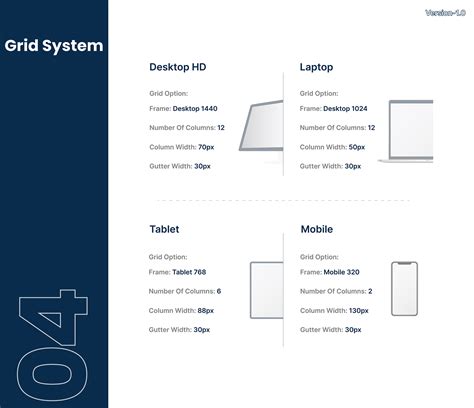
- Hierarchy & Modularity: Break down large topics into smaller, digestible chunks. Think of chapters, sections, and subsections, each focused on a specific aspect.
- Clarity & Conciseness: Use clear, direct language. Avoid jargon where possible, or explain it thoroughly. Get straight to the point, especially in solution-oriented sections.
- Consistency: Maintain a consistent structure, terminology, and formatting throughout the guide. This reduces cognitive load for the user.
- Player-Centric Design: Always consider what the player is looking for. Are they stuck on a boss? Searching for a hidden item? Understanding the player’s potential questions drives organizational choices.
Key Strategies for Navigable Content Structure
1. Dynamic Table of Contents (TOC) and Internal Linking
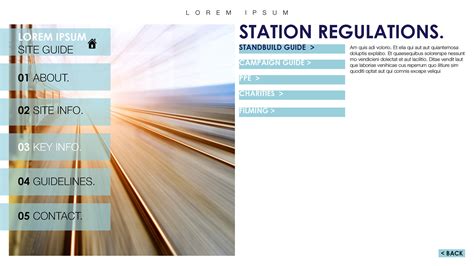
A comprehensive and interactive Table of Contents is non-negotiable. For very long guides, consider a sticky TOC that remains visible as the user scrolls. Each entry should link directly to the relevant section. Beyond the main TOC, liberally use internal hyperlinks within the text to cross-reference related topics, definitions, or prerequisite information. This allows players to follow their own investigative paths.
2. Categorization, Tags, and Search Functionality
Implement a robust system of categories and tags. Categories can be broad (e.g., “Main Quest,” “Side Quests,” “Boss Guides,” “Item Locations”), while tags can be more specific (e.g., “early game,” “end game,” “puzzle,” “stealth”). A powerful search bar with intelligent filtering options is also crucial, especially for players looking for very specific keywords or error codes.
3. Visual Aids and Multimedia
Text alone often isn’t enough for complex game mechanics. Incorporate screenshots, annotated maps, flowcharts, diagrams, and even short video clips where appropriate. Visuals can convey information far more quickly and effectively than paragraphs of text, especially for spatial puzzles, item locations, or combat patterns.
4. Glossaries, Indexes, and FAQs
For games with extensive lore, unique terminology, or numerous items/characters, a dedicated glossary or index can be immensely helpful. An FAQ section can pre-emptively answer common questions, acting as a quick-reference point for recurring player issues.

Optimizing for Quick Player Solutions
While comprehensive guides are vital, players often need quick, actionable solutions. Incorporate elements designed for speed:
- “TL;DR” Summaries: At the beginning of complex sections, provide a “Too Long; Didn’t Read” summary that offers the essential takeaway or solution in a sentence or two.
- Dedicated “Quick Fix” Boxes: Highlight crucial steps or specific solutions in distinct boxes or call-outs, making them easy to spot.
- Step-by-Step Instructions: For specific tasks or puzzles, break down the solution into numbered, concise steps.
- Conditional Information: Clearly label information that applies only under certain conditions (e.g., “if you chose X path,” “for stealth builds”).
Conclusion: Building a Player-Friendly Knowledge Base
Organizing complex gaming guides effectively is an art that blends information architecture with user experience design. By adhering to principles of hierarchy, clarity, and consistency, and by leveraging tools like dynamic TOCs, robust search, visual aids, and quick-solution elements, content creators can transform daunting information into an accessible and invaluable resource. The ultimate goal is to empower players, allowing them to overcome challenges and fully enjoy their gaming experience without unnecessary frustration.



