Beyond aim, what key strategies win competitive FPS matches?
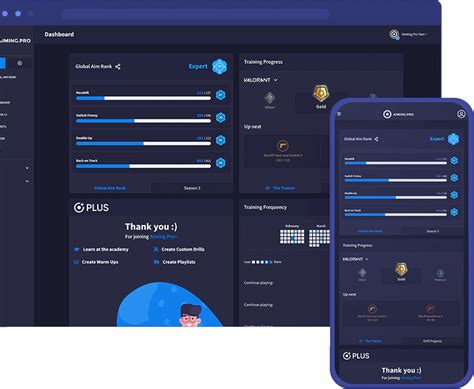
In the high-stakes world of competitive First-Person Shooters, the allure of perfect aim often overshadows the intricate web of strategies that truly separate champions from the rest. While hitting your shots is undoubtedly crucial, it’s merely one piece of a much larger, more complex puzzle. Victory in these intense environments is frequently decided by a team’s collective intelligence, adaptability, and execution of tactics far removed from raw mechanical skill.
The Indispensable Role of Communication and Teamwork
At the core of any successful FPS team lies robust communication. It’s the lifeblood that connects individual players into a cohesive unit. Clear, concise, and timely callouts about enemy positions, utility usage, and health states are paramount. Effective communication allows for:
- Coordinated Pushes and Defenses: Synchronizing attacks or holding specific angles relies heavily on knowing where teammates are and what their intentions are.
- Information Gathering: Combining individual observations paints a complete picture of the battlefield, enabling smarter decisions.
- Adaptability: Rapidly changing tactics in response to enemy moves is only possible with real-time information exchange.
Beyond callouts, true teamwork involves understanding roles, supporting teammates, and sacrificing individual glory for team objectives. This might mean dropping a weapon for a teammate, flashing for an entry frag, or holding a less exciting but crucial angle.

Mastering Map Knowledge and Positional Play
A deep understanding of each map is as vital as knowing your weapon’s recoil pattern. Map knowledge isn’t just about knowing where the bomb sites are; it’s about understanding every choke point, every angle, every power position, and every rotation path. Positional play leverages this knowledge to gain an advantage:
- Holding Power Positions: Securing angles that offer cover, vision, and escape routes can dictate the flow of a round.
- Flanking and Rotations: Smart rotations can catch enemies off guard, while successful flanks can collapse defenses or break through stalemates.
- Sound Cues: Recognizing footsteps and other environmental sounds on specific map locations can give away enemy positions before they are seen.
A team that controls key areas of the map often dictates the pace and direction of the game, forcing opponents into unfavorable engagements.
Strategic Utility and Economy Management
Many competitive FPS titles feature utility (grenades, abilities, gadgets) and an in-game economy. Mastering these elements can turn the tide of a match:
- Effective Utility Usage: Using smokes to block vision, flashes to blind enemies, or incendiaries to deny areas can create openings for pushes or halt enemy advancements. Knowing when and where to deploy utility is a skill in itself.
- Economy Management: In games with an economic system, intelligent buying decisions are crucial. Knowing when to save, when to force buy, and when to go all-in requires collective decision-making and an understanding of the opponent’s economic state.
A well-coordinated utility execute can be far more devastating than five individual pushes, and smart economic play can build a sustainable advantage over several rounds.
Developing Superior Game Sense and Adaptability
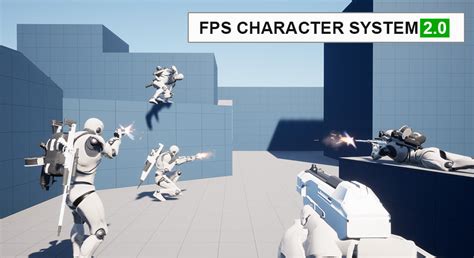
Game sense is the intuitive understanding of a match’s flow – predicting enemy movements, understanding timing, and recognizing patterns. It’s often cultivated through countless hours of play and analysis. A strong game sense allows players and teams to:
- Anticipate Opponent Strategies: Recognizing enemy tendencies or common plays allows a team to pre-position or counter effectively.
- Adapt to Mid-Round Changes: If a plan isn’t working, a team with good game sense can quickly pivot to an alternative strategy, exploiting new information or opportunities.
- Identify Weaknesses: Pinpointing flaws in the enemy’s setup or individual player habits can provide crucial avenues for attack.
The ability to adapt on the fly is a hallmark of truly elite teams, enabling them to turn losing situations into wins.
The Mental Game: Composure Under Pressure
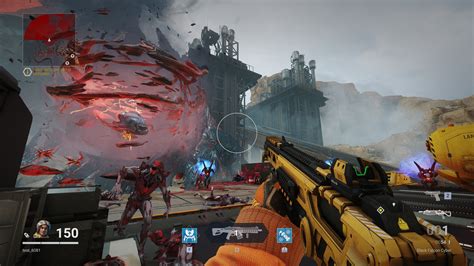
Finally, the mental aspect of competitive play cannot be overstated. High-pressure situations can cause even the most skilled players to falter. Maintaining composure involves:
- Emotional Regulation: Staying calm after a frustrating round or a missed shot is vital for consistent performance.
- Confidence: Trusting in your teammates and your strategy, even when behind, can lead to incredible comebacks.
- Learning from Mistakes: Quickly analyzing what went wrong without dwelling on it allows for immediate improvement and adaptation.
Teams that can maintain their mental fortitude throughout a long match, bouncing back from setbacks, often emerge victorious.
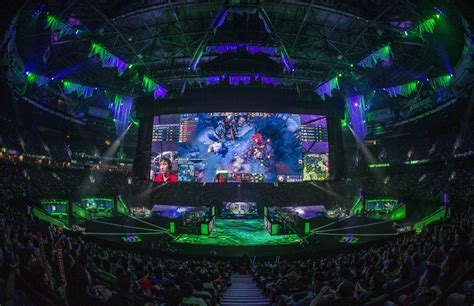
In conclusion, while mechanical skill and aim are foundational in competitive FPS matches, they are merely entry requirements. True mastery and consistent victory stem from a sophisticated blend of strategic communication, deep map knowledge, intelligent utility and economy management, acute game sense, and unwavering mental resilience. It’s the synergy of these elements that transforms individual talent into an unstoppable team force, pushing beyond the limits of just aiming to secure triumph.