Beyond aim, what specific mental training exercises boost pro player performance?
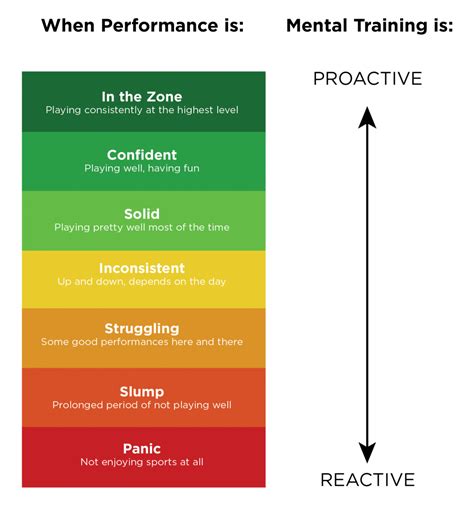
In the high-stakes world of professional esports, raw mechanical skill, often encapsulated by ‘aim,’ is undoubtedly a foundational requirement. However, as the competitive landscape matures, the margin for victory increasingly hinges on something less tangible: the mental game. Pro players are discovering that refining their minds can be as impactful as refining their reflexes. But what specific mental training exercises move beyond general advice to deliver measurable performance boosts?
The Unseen Battleground: Cognitive Load and Focus Management
Elite esports matches are a constant barrage of information, requiring players to process complex data, track multiple opponents, monitor resources, and anticipate enemy movements—all simultaneously. This immense cognitive load can lead to mental fatigue and decision paralysis. Mental training helps players optimize their cognitive resources.
- Selective Attention Drills: Players practice focusing on specific in-game cues while filtering out irrelevant noise. This can involve custom game modes or even real-world exercises designed to improve concentration under pressure.
- Chunking Information: Training to group related pieces of information (e.g., enemy team composition, item builds, and likely rotation patterns) into easily digestible ‘chunks’ reduces cognitive overload and speeds up processing.
Mastering Pressure: Stress and Anxiety Management
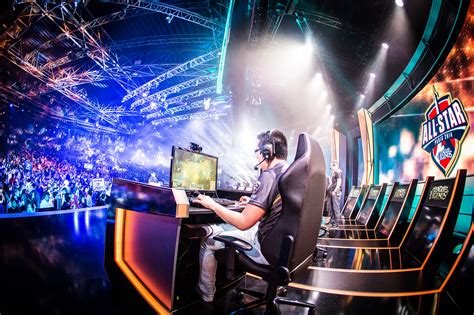
The spotlight of major tournaments, the pressure of a clutch moment, or the weight of team expectations can trigger anxiety, leading to ‘choking’ under pressure. Mental training equips players with tools to manage these intense emotions.
- Controlled Breathing Techniques: Simple yet powerful, techniques like box breathing (inhale, hold, exhale, hold, each for a count of four) can rapidly calm the nervous system and restore focus during stressful in-game moments or between rounds.
- Positive Self-Talk and Affirmations: Developing a script of positive internal dialogue helps counter negative thoughts and build confidence. This isn’t just wishful thinking; it’s a deliberate practice to reframe challenges into opportunities.
- Pre-Performance Routines: Establishing consistent pre-game rituals (e.g., specific warm-up exercises, listening to particular music, visualization) helps players transition into a focused, calm state.
Sharpening Decision-Making and Strategic Acumen
Beyond raw mechanics, pro play demands superior decision-making, often in milliseconds. Mental exercises can significantly enhance this critical skill.
- Scenario-Based Visualization: Players mentally rehearse various in-game scenarios, anticipating potential outcomes and formulating optimal responses. This builds a mental library of strategies, allowing for faster and more accurate decisions during live play.
- Consequence Analysis: After a match, players review key decisions, analyzing not just what happened, but why they made a particular choice and what the potential alternatives and their consequences would have been. This fosters deeper strategic understanding.
Emotional Regulation and Resilience
Dealing with tilt, frustration, or the sting of a loss is crucial for sustained performance. Players who can quickly reset mentally perform better over long tournaments.
- Mindfulness and Meditation: Practices that cultivate present-moment awareness help players observe their emotions without being overwhelmed by them. This detachment allows for a quicker return to a neutral, focused state after a mistake or bad play.
- Acceptance and Commitment Training (ACT): This therapy approach teaches players to accept difficult thoughts and feelings, commit to actions aligned with their values (e.g., teamwork, improvement), and move forward despite setbacks.
Optimizing Team Synergy through Mental Preparedness
In team-based esports, individual mental strength must extend to collective mental strength. Training here focuses on communication, trust, and shared understanding.
- Structured Debriefing: Post-match discussions aren’t just about ‘what went wrong,’ but ‘what can we learn?’ Teams use frameworks to constructively analyze gameplay, focusing on objective feedback rather than blame.
- Role-Playing and Communication Drills: Practicing specific communication patterns for different in-game situations (e.g., callouts for flanking, target prioritization) ensures clarity and reduces misinterpretation under stress.
Practical Mental Training Exercises in Detail
Visualization and Imagery
Pro players frequently engage in detailed visualization, imagining successful plays, perfect executions, and even recovering from mistakes. This mental rehearsal strengthens neural pathways, akin to physical practice, making in-game actions more fluid and confident. Before a match, a player might spend time visualizing clutch moments, seeing themselves making the right decisions and executing flawlessly.
Mindfulness and Meditation
Simple mindfulness exercises, such as a five-minute breath awareness meditation, can significantly improve a player’s ability to stay present and focused during a game. This reduces distractions from external noise or internal thoughts about past mistakes or future outcomes, keeping them anchored to the current moment of play.

Debriefing and Reflective Practice
Beyond casual review, structured debriefing involves a systematic analysis of performance. Players might log specific instances where they felt stressed, made a poor decision, or performed exceptionally well. They then reflect on the triggers, their responses, and alternative approaches, turning every game into a learning opportunity.
Goal Setting and Performance Tracking
Setting clear, specific, measurable, achievable, relevant, and time-bound (SMART) goals for mental skills (e.g., “Maintain focus for 90% of a match,” “Implement a breathing exercise three times during a stressful round”) and tracking progress helps build consistency and reinforces positive habits.

The journey to becoming an elite esports professional extends far beyond mechanical prowess. By integrating specific mental training exercises into their daily routines, players can cultivate the cognitive agility, emotional resilience, and strategic clarity necessary to not only compete at the highest level but to consistently perform under the immense pressure of the professional stage. The mind, just like the hands, demands rigorous training to achieve true mastery.