





Beyond launch: How do gaming reviews adapt to post-release patches and content?

The Ever-Evolving Game Landscape
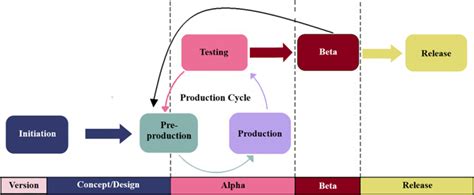
In the past, a video game launch was largely the definitive moment for its critical assessment. Reviewers played the final build, published their scores, and that was that. Today, this model is as outdated as a dial-up modem. The modern gaming landscape is a dynamic ecosystem, characterized by frequent patches, bug fixes, balance adjustments, and substantial content drops that can fundamentally alter a game weeks, months, or even years after its initial release. This continuous evolution presents a profound challenge for traditional review methodologies: how can critics provide a relevant and accurate evaluation when the very subject of their analysis is a moving target?
Beyond Day One: Patches and Performance Tweaks
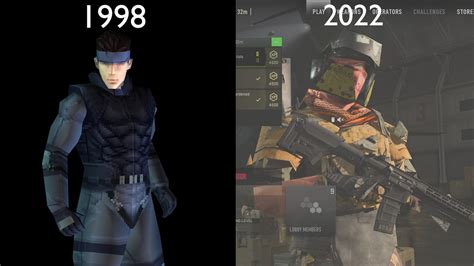
The most immediate and common post-release changes come in the form of patches. These can range from minor hotfixes addressing critical bugs or exploits to massive updates overhauling core gameplay mechanics, improving performance, or adding quality-of-life features. A game that launches with technical issues, for example, might be redeemed by subsequent patches that stabilize performance and eradicate game-breaking glitches. Conversely, a seemingly polished launch title could suffer from later updates that introduce new bugs or disrupt game balance. A day-one review, while reflecting the initial player experience, may quickly become irrelevant if such significant changes occur, leaving consumers without up-to-date guidance.

The Impact of Expansions and DLC
Beyond mere fixes, many games extend their lifespan through paid downloadable content (DLC) or free expansions. These can introduce new story campaigns, characters, maps, modes, or even entirely new gameplay loops. A game initially deemed mediocre might transform into a must-play experience with the addition of compelling DLC, while a great game could be marred by uninspired or predatory content additions. Reviewers face the dilemma of whether to treat these expansions as separate entities or to integrate their impact into the overall assessment of the base game, especially when they are integral to the game’s long-term vision or provide significant value.

Live Service Games: The Ultimate Test
The rise of “live service” games – titles designed for ongoing engagement and continuous updates, often with seasonal content and evolving narratives – pushes the traditional review model to its breaking point. Games like Destiny 2, Apex Legends, or Fortnite are never truly “finished”; they are perpetually in development. Reviewing such a game at launch provides only a snapshot of an ever-changing experience. Critics must grapple with how to evaluate progression systems, monetization, community engagement, and seasonal content that didn’t exist when the game first launched. This necessitates an ongoing engagement that transcends a single, static review.

Adapting Review Methodologies for a Dynamic Era
To navigate this complex landscape, review outlets have adopted several strategies:
- Re-reviews or Updated Reviews: Some publications opt to publish entirely new reviews or significantly update existing ones when major patches or expansions drop, sometimes even adjusting the original score to reflect the game’s current state.
- Review in Progress: For highly anticipated or notoriously complex titles, a “review in progress” approach allows critics to publish initial impressions while clearly stating that a final score or comprehensive review will follow after more play time or post-launch updates.
- Addendums and Editor’s Notes: Many reviews now include explicit sections or footnotes detailing post-launch changes, explaining how they impact the initial assessment, and guiding readers on whether the game has improved or deteriorated.
- Focus on the Core Experience: Some reviewers choose to focus primarily on the core mechanics, narrative, and initial offering, while acknowledging that the game’s future may hold significant changes, providing a foundation for readers to understand subsequent updates.
- Long-Term Assessments: Special features or recurring columns dedicated to tracking the evolution of live service titles allow for continuous, nuanced coverage that goes beyond a single score.
Ultimately, transparency and adaptability are paramount. Gamers deserve to know whether a game they’re considering purchasing is reflective of its initial review or if significant improvements (or regressions) have occurred since. The role of the gaming critic has expanded from simply evaluating a finished product to becoming an ongoing commentator, tracking a game’s journey and informing consumers about its current state.
Conclusion
The days of set-it-and-forget-it game reviews are long gone. As developers increasingly embrace continuous development models, the review process must evolve in tandem. By embracing re-evaluations, dynamic updates, and transparent communication, gaming critics can continue to serve their audience effectively, providing valuable insight into a medium that refuses to stand still.



