Beyond mechanics, what mental strategies prevent tilt & boost consistency in competitive esports?

The Unseen Battlefield: Mental Fortitude in Esports
While highlight reels often showcase astonishing mechanical skill, the true differentiator in the upper echelons of competitive esports isn’t just nimble fingers or lightning-fast reflexes. It’s the mind. The ability to maintain composure under pressure, recover from setbacks, and consistently perform at peak levels hinges on robust mental strategies. This article delves into the psychological toolkit that top esports athletes employ to prevent tilt and foster unwavering consistency.
Understanding Tilt: The Enemy Within
Tilt, a term borrowed from poker, describes a state of emotional frustration, anger, or anxiety that leads to suboptimal play. In esports, a single misplay, a teammate’s error, or an unfortunate game mechanic can trigger a cascade of negative emotions, derailing an entire match or even a tournament. Recognizing the early signs of tilt is the first step towards preventing it.
Common tilt triggers include:
- Repeated mistakes or misplays.
- Perceived unfairness or “bad luck.”
- Negative interactions with teammates or opponents.
- Pressure from high-stakes matches.
- Fatigue or burnout.
Cultivating Self-Awareness and Emotional Regulation
The cornerstone of mental resilience is self-awareness. Players must learn to identify their emotional state and understand how it impacts their performance. Techniques such as mindfulness meditation and deep breathing exercises can help regulate physiological responses to stress and anger. Taking a quick mental break, even for a few seconds between rounds or respawns, can provide crucial space to reset and regain focus.
Pre-Game Rituals and Mindset Priming
Consistency often begins before the game even loads. Establishing effective pre-game rituals can prime the mind for optimal performance. This might involve a specific warm-up routine, listening to calming music, reviewing strategies, or simply engaging in positive self-talk. The goal is to enter the match with a focused, confident, and resilient mindset, ready to face any challenge.
The Power of Positive Communication and Team Cohesion
In team-based esports, communication is not just about relaying information; it’s about fostering a positive and supportive environment. Effective teams communicate constructively, offering encouragement rather than blame. Learning to give and receive feedback objectively, without taking it personally, is vital. A strong team bond can act as a buffer against individual tilt, with teammates supporting each other through difficult moments.
Embracing a Growth Mindset: Learning from Every Experience
Top athletes view setbacks not as failures, but as opportunities for growth. Adopting a “growth mindset” means believing that abilities can be developed through dedication and hard work. Instead of dwelling on a mistake, a player with a growth mindset analyzes what went wrong, identifies areas for improvement, and adapts their strategy. This psychological flexibility is crucial for long-term consistency and evolution as a player.
Maintaining Focus and Attention Control
Distractions, both internal (negative thoughts) and external (chat, stream comments), can severely impact performance. Developing strong attention control allows players to remain present in the game, focusing solely on the immediate objectives and necessary actions. Techniques like “spotlighting” (narrowing focus to key game elements) or using verbal cues to re-center attention can be highly effective.
Post-Game Analysis: Objectivity and Detachment
After a match, whether a win or a loss, objective analysis is key. Instead of replaying negative moments emotionally, top players review VODs (video on demand) to identify concrete areas for improvement. It’s important to detach from the outcome and focus on the process. A brief cool-down period before analysis can help ensure objectivity and prevent carrying negative emotions into the next session.
Building a Mental Toughness Regimen
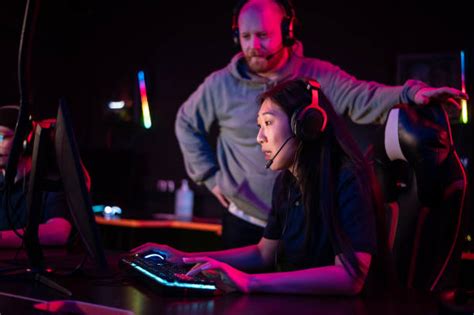
Just like mechanical skills, mental strategies require consistent practice. Integrating mental training into daily routines—whether through short meditation sessions, visualization exercises, or controlled exposure to stressful in-game scenarios—builds mental toughness over time. Coaches and sports psychologists often work with esports teams to develop personalized mental conditioning programs.
Conclusion: The Complete Athlete
In the relentless world of competitive esports, success is a holistic endeavor. While mechanical prowess is foundational, it’s the mastery of the mind that separates the good from the truly great. By understanding and actively implementing mental strategies to prevent tilt, manage emotions, and maintain focus, players can unlock their full potential, achieve greater consistency, and ultimately, elevate their performance to championship levels. The journey beyond mechanics is a journey inward, to cultivate the resilient mindset of a true esports champion.