Beyond mechanics: What non-gaming skills are crucial for an aspiring esports pro?

The world of esports is often perceived as a realm solely defined by lightning-fast reflexes, intricate game knowledge, and strategic brilliance. While these mechanical and in-game aptitudes are undeniably foundational, the journey from a talented player to a successful professional requires a much broader skillset. Aspiring esports pros often overlook the critical non-gaming abilities that distinguish champions from the rest. These are the soft skills, the mental frameworks, and the personal disciplines that underpin consistent performance and longevity in a high-pressure environment.
The Power of Effective Communication
In team-based esports, communication is the lifeblood of coordinated play. It’s not just about calling out enemy positions or ultimate cooldowns; it’s about clear, concise, and timely information exchange under immense pressure. Poor communication can lead to misplays, confusion, and ultimate defeat. Pros need to master both verbal and non-verbal cues, adapt their communication style to different teammates, and provide constructive feedback without fostering negativity.
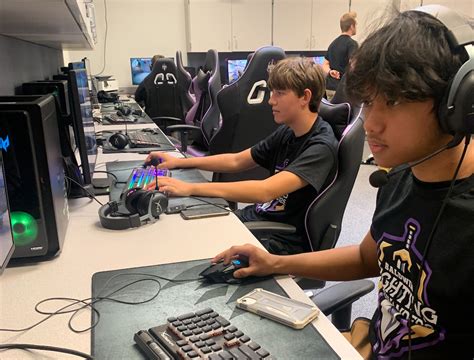
Beyond the game, effective communication extends to interacting with coaches, managers, and even fans. The ability to articulate strategies, discuss performance issues, or participate in media interviews gracefully is invaluable for a player’s public image and team cohesion.
Teamwork, Collaboration, and Leadership
Esports, particularly team games, are inherently collaborative. A single star player cannot carry a dysfunctional team indefinitely. Aspiring pros must cultivate exceptional teamwork skills, including active listening, conflict resolution, and the willingness to sacrifice individual glory for team success. Understanding team dynamics and knowing when to lead or when to follow are crucial. A good leader doesn’t just issue commands; they inspire confidence, mediate disputes, and foster an environment where every member feels valued and understood.
Mental Fortitude and Resilience
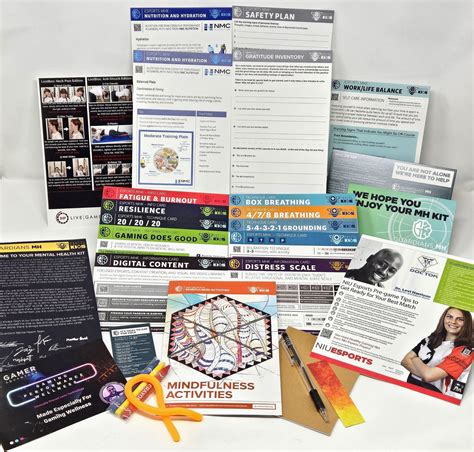
The competitive esports landscape is a crucible of pressure, scrutiny, and potential failure. Every match comes with highs and lows, and a pro player must possess immense mental fortitude to navigate these emotional extremes. This includes managing tilt, bouncing back from losses, maintaining focus through long tournaments, and handling public criticism. Developing strategies for stress management, mindfulness, and emotional regulation is just as important as perfecting in-game mechanics. True resilience means learning from mistakes without letting them define future performance.
Discipline, Consistency, and Time Management
Professional gaming is a full-time job that demands discipline comparable to traditional sports. This isn’t just about grinding games; it’s about adhering to a strict practice schedule, maintaining a healthy lifestyle (sleep, diet, exercise), and dedicating time to VOD (video-on-demand) reviews and strategic analysis. The ability to manage time effectively, balance individual practice with team scrims, and avoid burnout is critical for a sustained career. Consistency in effort, even on off-days, is what separates the dedicated from the dilettantes.
Professionalism and Brand Building
As esports continues its ascent into mainstream entertainment, players are increasingly becoming public figures. Professionalism encompasses everything from how a player conducts themselves online (social media etiquette) and offline (interviews, fan interactions) to managing their personal brand. Understanding contracts, engaging with sponsors, and representing their organization positively are all parts of a pro’s off-stage responsibilities. Building a positive and authentic brand can open doors to endorsements, streaming careers, and a stable future beyond active competition.
Conclusion: The Holistic Professional
The path to becoming a successful esports professional is multifaceted. While the allure of spectacular plays and tactical genius draws many, it’s the mastery of non-gaming skills—communication, teamwork, mental resilience, discipline, and professionalism—that truly builds a lasting career. Aspiring pros must recognize that their journey requires holistic development, treating their passion not just as a game, but as a demanding and rewarding profession that calls for excellence on every front. Investing in these crucial soft skills will not only elevate their gameplay but also ensure their enduring success in the dynamic world of competitive esports.