Beyond scores, what unique review elements truly resonate with gamers for new releases?
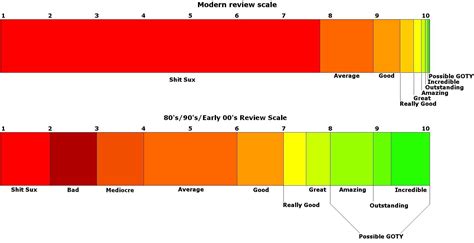
In an increasingly saturated market, the traditional numerical score for a game review feels more archaic by the day. Gamers are no longer content with a simple ‘7/10’ or ‘A-‘. What they truly crave, especially for new releases, is a comprehensive understanding that goes far beyond a single digit or letter grade. They want insights that inform their purchasing decisions, enhance their anticipation, and validate their community discussions.
The Feeling of Play: Mechanics & Experiential Nuances
One of the most impactful elements is a deep dive into how the game actually *feels* to play. This isn’t just about describing mechanics, but conveying the tactile, sensory, and emotional experience. How responsive are the controls? Does the combat offer satisfying feedback, or does it feel floaty? Is the puzzle design clever and intuitive, or obtuse and frustrating? Reviewers who can articulate the nuance of gameplay – the weight of a jump, the rhythm of a parry, the tension of exploration – provide invaluable insight that a score simply cannot capture.
Gamers want to know about the intricacies of progression systems, crafting loops, and character builds. Do these systems feel rewarding and well-integrated, or are they grindy and tacked on? A good review breaks down these elements, explaining not just *what* they are, but *how they impact the player’s journey*.

Contextualizing the Release: Genre, Innovation, & Expectations
A new game rarely exists in a vacuum. Discerning gamers want to understand where a title sits within its genre. Does it innovate? Does it refine existing tropes, or does it fall into common pitfalls? Comparisons to other games are crucial, but not for the sake of calling one ‘better’ than another. Instead, they serve to establish a frame of reference, highlighting unique selling points or areas where a game might challenge expectations.
Understanding developer intent and how a game evolves a franchise or contributes to the wider industry conversation adds significant value. Is this a bold new direction for a studio, or a safe iteration? Does it learn from past mistakes of similar titles, or repeat them? These contextual layers help gamers appreciate a game’s ambition and execution.
The Player’s Journey: Accessibility, Quality of Life, & Replayability
Beyond the core gameplay, the overall player experience is paramount. This includes a detailed look at accessibility options, UI/UX design, and general quality of life features. Is the onboarding process smooth or overwhelming? Are there robust customization options? How well does the game handle difficulty scaling, and does it offer enough options for diverse player skill levels?
For new releases, the question of long-term value is also critical. What does the post-game offer? Are there compelling reasons to replay, or engaging multiplayer/co-op modes? Discussions around potential future content, developer roadmap, and how the game might evolve after launch can hugely influence a player’s decision to invest their time and money.
Developer Vision & Technical Performance
A truly insightful review often peeks behind the curtain, offering a glimpse into the developer’s vision. This isn’t just marketing speak; it’s about understanding the design philosophy, the narrative aspirations, and the creative choices made during development. A reviewer who can connect these dots helps players appreciate the craft and artistry.
Equally important for new releases is a frank assessment of technical performance. Gamers want to know about frame rates, bug prevalence, server stability (for online games), and optimization across different platforms. An otherwise brilliant game can be marred by poor technical execution at launch, and transparent reporting on these issues builds trust with the audience.

The Unseen Elements: Sound Design, Narrative Nuances & Atmosphere
Often overlooked in the rush to discuss graphics and gameplay, elements like sound design, musical score, and environmental storytelling play a massive role in immersion. A review that highlights the nuanced soundtrack, the chilling sound effects, the compelling voice acting, or how the environment subtly tells a story, adds a layer of appreciation that deepens the player’s connection to the game world. These are the details that transform a good game into a truly memorable experience.

Ultimately, gamers are looking for authenticity, depth, and a connection to the review experience. They want a reviewer who acts as a trusted guide, not merely a judge. By focusing on these unique, experiential, and contextual elements, reviews transcend the limitations of a numerical score, providing a richer, more meaningful dialogue around new game releases.