Beyond text: what interactive elements truly enhance gaming guides?

In the vast and ever-evolving landscape of video games, guides have long served as indispensable companions for players navigating complex worlds, intricate mechanics, and challenging quests. Traditionally, these guides have relied heavily on text and static images, providing information in a linear, often overwhelming fashion. However, as games become more dynamic and interactive, so too must their accompanying resources. The question arises: what interactive elements truly elevate a gaming guide from merely informative to genuinely indispensable?
Moving Beyond Static Information
The limitations of purely text-based guides become apparent when dealing with spatial puzzles, precise combat timings, or elaborate character builds. While words can describe, they often fall short of demonstrating. Interactive elements bridge this gap, offering a hands-on, experiential learning process that static media simply cannot replicate. They empower players to engage with the information, test hypotheses, and understand complex systems through direct interaction rather than passive consumption.
Interactive Maps: The Navigator’s Best Friend
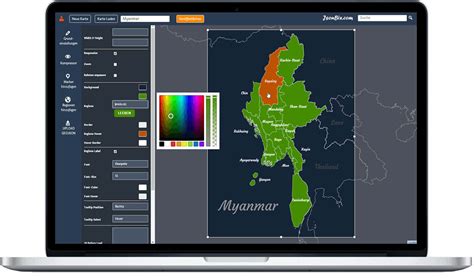
Perhaps one of the most impactful interactive elements is the dynamic, filterable map. Far beyond a static image with numbered points, an interactive map allows players to toggle layers for collectibles, quest objectives, enemy spawns, and resource locations. Imagine a map where you can filter for all ‘Iron Ore’ nodes, highlight the shortest path to a specific quest giver, or even track your own in-game progress. Such a tool doesn’t just show you where to go; it helps you plan your journey and discover hidden secrets with unprecedented efficiency.
Advanced interactive maps can even integrate user-submitted data, allowing a community to collectively mark rare spawns or secret passages, constantly updating the guide in real-time. This dynamic, collaborative aspect transforms a solo exploration into a shared discovery, significantly enhancing the guide’s value and longevity.
Video Demonstrations and Playable Examples
For action-oriented games, boss fights, intricate platforming sequences, or complex combat rotations, text descriptions can be notoriously difficult to follow. High-quality video demonstrations, embedded directly within the guide, provide clear visual and auditory cues. Beyond simple playback, imagine videos that allow players to slow down crucial moments, loop specific segments, or even overlay controller inputs to perfectly replicate advanced techniques. This level of granular control over video content turns a passive viewing experience into an active learning one.
Taking this a step further, some guides could incorporate mini-simulators or “playable examples” for particularly tricky mechanics. A puzzle game guide might offer a simplified, browser-based version of a specific puzzle room, allowing players to practice the solution without needing to boot up the main game. This immediate feedback loop is invaluable for skill acquisition and understanding.
Customizable Build Planners and Skill Trees
RPG and strategy games often feature deep character customization, skill trees, and equipment loadouts. A text-based guide might recommend a build, but an interactive build planner allows players to experiment. Users could drag-and-drop skills, allocate attribute points, or equip virtual gear to see how stats change in real-time. This empowers players to theorycraft, optimize their characters, and even save and share their unique builds with the community, fostering a deeper understanding of game mechanics and personal strategy.
Similarly, interactive comparison tools for weapons, armor, or spells allow players to weigh pros and cons dynamically. Instead of scouring multiple text tables, users can input criteria and instantly compare items side-by-side, making informed decisions tailored to their playstyle.

Quizzes, Checklists, and Progress Trackers
Interactive elements can also gamify the guide itself. Short quizzes can test a player’s understanding of a game mechanic, providing immediate feedback. Customizable checklists for collectibles, achievements, or side quests allow players to track their progress directly within the guide, marking off completed tasks and visually seeing their journey unfold. This transforms the guide from a static reference into a personalized progress companion, enhancing long-term engagement and satisfaction.
The Future is Engaging
Implementing these interactive elements requires technical expertise and careful design, but the payoff in player engagement and comprehension is immense. As game development continues to push boundaries, so too should the resources designed to help players enjoy them. Interactive gaming guides are not just a luxury; they are becoming an essential component of a truly immersive and supportive player experience, moving beyond mere information delivery to become dynamic, collaborative, and truly helpful tools for mastery.

By embracing these dynamic features, gaming guides can transcend their traditional role, evolving into living, breathing companions that adapt to a player’s needs and enhance their journey through every virtual world.