Beyond tier lists: How to theorycraft your own optimal endgame build?

In the vast landscapes of modern RPGs and competitive online games, the allure of an “optimal” build often leads players straight to readily available tier lists. While these lists offer a convenient shortcut to powerful setups, they frequently overlook the intricate joy and profound understanding gained from crafting your own perfect strategy. Moving beyond the copied builds, theorycrafting empowers you to forge a unique path, perfectly tailored to your playstyle, specific challenges, and deepest understanding of game mechanics.
Theorycrafting is more than just picking good gear; it’s the meticulous process of analyzing, calculating, and hypothesizing to construct a build that maximizes efficiency, damage, survivability, or utility for a particular purpose. It’s about becoming a master strategist, dissecting every aspect of your character and the game world to uncover hidden synergies and unlock unprecedented potential.

Understanding the Foundation: Know Your Game, Know Your Goal
Before you even begin selecting specific items or skills, a deep dive into the game’s core systems is essential. What are the primary damage types? How do stats scale? Are there soft caps or breakpoints for certain attributes? Understanding the fundamental math and physics of your virtual world is the bedrock upon which all successful theorycrafting rests. This includes knowing your chosen class or character’s inherent strengths, weaknesses, and unique abilities – what truly defines their combat identity.
Equally critical is defining your objective. Are you aiming to clear the fastest speed runs, dominate in player-versus-player combat, or tackle the most challenging raid bosses? Each goal demands a distinct optimization strategy. A build designed for maximum Area of Effect (AoE) damage for farming might be disastrous in a single-target boss encounter requiring high burst damage or precise crowd control.

Deconstructing Build Components: The Puzzle Pieces
Once you grasp the game’s core and your objective, it’s time to break down the individual components of any build:
- Gear and Items: Beyond raw stats, analyze unique affixes, set bonuses, and how different pieces synergize. Sometimes, a seemingly weaker item with a powerful unique effect can vastly outperform a higher-stat piece.
- Skills and Abilities: Examine cooldowns, resource costs, base damage, and how skills interact with each other. Look for powerful skill trees, passive talents, and the optimal rotation to maximize uptime and impact.
- Talents and Passives: These often define the core identity of a build. Understand how they augment your abilities, modify stats, or provide critical utility.
- Stats: Differentiate between primary and secondary stats. Identify which stats offer the most significant returns for your specific build and goal. Watch out for diminishing returns where investing too much into one stat yields less benefit.

The Iterative Theorycrafting Process
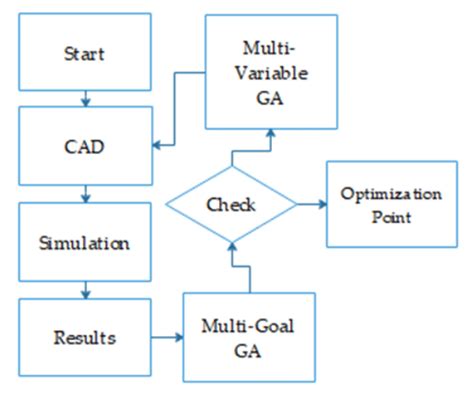
Theorycrafting is rarely a linear process; it’s an ongoing cycle of hypothesis, testing, and refinement:
- Brainstorming & Initial Hypothesis: Start with an idea. “What if I maximize critical hit chance and then stack critical damage?” or “Can I make a tank build that also deals significant damage?”
- Research & Data Gathering: Consult official wikis, community databases, and patch notes. Gather precise numbers for skill damage, item stats, and enemy resistances.
- Calculation & Simulation: This is where the math happens. Use spreadsheets, online calculators, or even mental simulations to project damage per second (DPS), effective health, or utility. Compare different item combinations and skill allocations.
- In-Game Testing & Adjustment: Take your theoretical build into actual gameplay. Does it feel as good as it looks on paper? Are there practical limitations, unforeseen mechanics, or missed opportunities? Adjust your build based on real-world performance.
- Iteration & Refinement: Based on your testing, go back to the drawing board. Tweak stats, swap gear, re-evaluate skill choices. The meta shifts, and so should your build.
Tools and Mindset for the Aspiring Theorycrafter
Dedicated players often leverage spreadsheets (like Google Sheets or Excel) to track stats, calculate damage formulas, and compare item setups. Many games also have community-created build planners or simulators that can greatly assist this process. Don’t be afraid to collaborate with others; different perspectives can uncover blind spots or innovative ideas.
The most important tool, however, is your mindset. Embrace curiosity, critical thinking, and a willingness to experiment. Not every idea will be a winner, but every experiment is a learning opportunity. The journey of discovering a truly unique and potent build, optimized by your own intellect, is often more rewarding than simply copying what’s trending.
Conclusion: The Art of Personal Power
Moving beyond tier lists is an invitation to engage with your favorite games on a deeper, more analytical level. Theorycrafting is an art form that transforms you from a consumer of meta information into a creator of it. It’s a rewarding challenge that not only enhances your gameplay experience but also cultivates valuable analytical skills. So, next time you’re gearing up for the endgame, set aside the pre-made lists, embrace the challenge, and forge a build that is uniquely, optimally, and definitively yours.