



Competitive gaming burnout: How do pros manage mental health & maintain peak performance?

The Relentless Grind: Understanding the Pressure on Pro Gamers
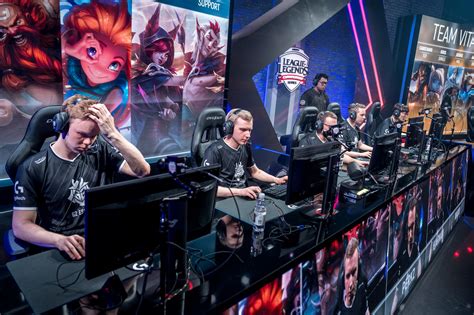
Professional esports is a high-stakes arena, where split-second decisions and constant practice dictate success or failure. What many casual observers don’t see is the immense psychological toll this environment takes. Pro gamers often face grueling schedules, intense public scrutiny, and the constant pressure to perform at an elite level. This relentless grind can quickly lead to exhaustion, stress, and, ultimately, competitive gaming burnout.
Burnout isn’t just about feeling tired; it’s a state of emotional, physical, and mental exhaustion caused by prolonged or excessive stress. For esports pros, this manifests as a loss of motivation, reduced cognitive function, decreased reaction times, and an overall diminished love for the game that once defined them. Recognizing and actively combating this phenomenon is critical not only for individual player welfare but also for the longevity of their careers.

Identifying the Red Flags: Early Signs of Burnout
Catching burnout before it takes full hold is key. Professional players and their support staff are increasingly attuned to the subtle and overt signs. These can include a drop in performance, increased irritability, social withdrawal, sleep disturbances, appetite changes, and even physical ailments like headaches or muscle tension. Emotionally, a player might seem disengaged, cynical, or experience feelings of hopelessness regarding their game.
The highly competitive nature often encourages players to push through these signs, fearing that admitting weakness could jeopardize their spot on the team or their standing in the scene. However, ignoring these symptoms only exacerbates the problem, leading to longer recovery times and potentially career-ending consequences. Open communication within teams and with mental health professionals is vital for early detection and intervention.
Strategic Mental Health Management: Pro Player Approaches
To counteract the pressures, many professional organizations and individual players have adopted sophisticated strategies for mental health management. These aren’t just band-aid solutions but integrated practices aimed at building resilience and promoting sustained well-being.
- Structured Breaks and Downtime: Unlike the ‘always on’ mentality of early esports, modern pros understand the importance of stepping away. Scheduled breaks, off-season vacations, and even daily periods of no-gaming are becoming standard. This allows for mental reset and prevents over-saturation.
- Physical Activity and Nutrition: A healthy body often leads to a healthy mind. Regular exercise – from gym workouts to team sports – helps release stress, improve mood, and enhance cognitive function. Balanced nutrition also plays a critical role in maintaining energy levels and focus.
- Mindfulness and Meditation: Techniques like mindfulness and meditation are gaining traction. These practices help players stay present, manage anxiety, improve focus during high-pressure situations, and develop a stronger emotional regulation.
- Professional Support Systems: Many top-tier teams now employ sports psychologists, therapists, and dedicated performance coaches. These experts provide tailored strategies for stress management, performance anxiety, team dynamics, and personal development.
Maintaining Peak Performance Through Holistic Well-being
Peak performance in esports isn’t solely about mechanical skill; it’s intricately linked to a player’s mental and emotional state. By prioritizing mental health, pros can ensure they are not just playing well, but playing optimally. Strategies such as developing robust coping mechanisms, fostering a positive mindset, and setting realistic goals contribute directly to consistent, high-level play.
Furthermore, strong team cohesion and a supportive environment act as a buffer against individual stress. Teams that encourage open dialogue, celebrate small victories, and collectively address challenges tend to have more resilient players. When a player feels valued and supported, they are more likely to communicate struggles early and engage with solutions, preventing minor issues from escalating into full-blown burnout.

The Evolving Landscape: Organizations and Player Welfare
As esports matures, so does the understanding of player welfare. Organizations are increasingly investing in comprehensive support systems for their athletes. This includes not only mental health professionals but also dedicated player managers, ergonomic setups, and educational resources on healthy lifestyle choices. The competitive landscape itself is adapting, with some tournament organizers and leagues implementing measures like reduced travel schedules and mandatory off-days to protect players.
The narrative around mental health in esports is also shifting, becoming more open and less stigmatized. Players who speak out about their struggles or advocate for better support are helping to normalize the conversation, encouraging others to seek help and fostering a culture where well-being is seen as a cornerstone of competitive success, not a sign of weakness.

Conclusion: A Sustainable Future for Esports Pros
The demanding world of competitive gaming presents unique challenges to mental health, making burnout a constant threat. However, through proactive strategies involving structured downtime, physical well-being, mindfulness, professional psychological support, and a supportive team environment, professional players are learning to navigate these pressures. As the industry continues to evolve, the increasing focus on holistic player welfare promises a more sustainable and fulfilling future for esports athletes, ensuring they can maintain their peak performance and passion for the game for years to come.