Competitive VOD review: How to pinpoint skill gaps effectively?
In the high-stakes world of esports and competitive gaming, mere practice often isn’t enough to climb the ranks or secure victories. The most successful players and teams understand that true improvement comes from a methodical analysis of their own performance. This is where competitive VOD (Video On Demand) review becomes an indispensable tool – a structured process to objectively dissect gameplay, identify specific weaknesses, and transform them into strengths.

The Foundation: Why VOD Review is Non-Negotiable
During the heat of a competitive match, players operate on instinct, making split-second decisions under immense pressure. While this is essential for live play, it often masks underlying flaws in mechanics, decision-making, or strategy. VOD review offers a crucial opportunity to step back, observe the game from an objective perspective, and uncover the ‘why’ behind successes and failures. It reveals patterns of mistakes that might otherwise go unnoticed, providing concrete evidence of skill gaps that need addressing.
Setting the Stage: Preparation is Key
Effective VOD review isn’t just about re-watching a game; it’s about active analysis. Before diving in, set clear objectives. Are you focusing on your laning phase, team fight positioning, macro rotations, or a specific champion’s mechanics? Choose a VOD that is representative – ideally a close loss, as these often highlight more actionable mistakes than dominant wins or crushing defeats. Have a notepad or digital document ready to log observations.
The Review Process: A Deep Dive into Your Gameplay
Step 1: Active Watching and Critical Observation
Resist the urge to simply enjoy the game. Your goal is to scrutinize every action. Slow down critical moments, pause frequently, and switch perspectives if the game allows (e.g., enemy PoV). Ask yourself: What was my intention here? What information did I have? What were my teammates doing? What were the opponents doing? Look for missed opportunities, poor cooldown usage, suboptimal pathing, or inefficient resource management.
Step 2: Meticulous Note-Taking and Timestamping
This is where precision matters. For every identified mistake or suboptimal play, log the exact timestamp. Describe what happened, why it was a mistake (or could have been better), and what the correct action should have been. Be specific: “07:35 – Missed skill shot on X champion due to poor prediction, should have waited for their movement ability.” or “12:10 – Rotated to top lane without vision, got ambushed. Should have cleared vision or waited for team backup.”

Step 3: Categorize and Group Skill Gaps
Once you have a list of identified issues, group them into categories. Common categories include:
- Mechanical Errors: Issues with aim, spell casting, button presses, micro-management.
- Decision-Making: Poor choices regarding engagements, disengagements, target priority, itemization, ability usage.
- Positional Errors: Being out of position, poor spacing, failing to utilize cover.
- Communication Breakdowns: Lack of calls, unclear calls, not responding to calls.
- Macro/Strategic Gaps: Poor objective prioritization, inefficient rotations, lack of map control.
Categorization helps you see patterns and understand the root causes of your struggles.
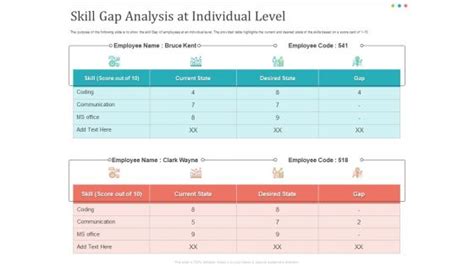
Step 4: Prioritize for Maximum Impact
You’ll likely find numerous areas for improvement. Trying to fix everything at once is overwhelming and ineffective. Prioritize the skill gaps that are occurring most frequently, have the highest impact on your games, or are foundational to other skills. What’s costing you games repeatedly? What’s holding you back the most?
Step 5: Formulate Actionable Solutions
Identifying a mistake is only half the battle; the other half is knowing how to fix it. For each prioritized skill gap, create a specific, actionable plan. If you’re missing skill shots, your action might be: “Practice X champion’s skill shots for 15 minutes in practice tool daily, focusing on prediction drills.” If it’s a macro issue: “Review pro player VODs for optimal rotation timings on Y map.” Translate every observation into a concrete practice routine or theoretical study goal.

Common Pitfalls to Avoid
Beware of passive viewing, where you just re-watch without critical thought. Avoid being overly critical without also formulating solutions; self-flagellation isn’t productive. Don’t solely focus on your own plays – observe your teammates and opponents for broader insights. Equally important is not just reviewing losses; sometimes the best lessons are found in less-than-perfect wins or even dominant performances where you could have optimized further.
Consistency and Follow-Up: The Path to Improvement
VOD review is not a one-time event; it’s an iterative cycle. After implementing your actionable solutions, perform another VOD review to track progress and identify new areas of focus. Consistent, structured review builds a habit of self-improvement and ensures that your practice is always targeted and effective. Engage with teammates or coaches for their perspectives, as an external eye can often spot nuances you might miss.

Conclusion
Competitive VOD review is arguably the most powerful tool in an esports player’s arsenal for accelerated growth. By adopting a methodical approach – from preparation and active observation to meticulous note-taking, categorization, prioritization, and the formulation of actionable solutions – players can effectively pinpoint their skill gaps. This disciplined process transforms raw gameplay into tangible insights, paving the way for consistent improvement and a stronger competitive edge.