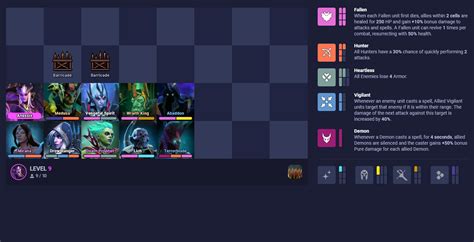
Current meta: Best build for peak competitive performance?

Navigating the Evolving Landscape of Competitive Gaming
In the high-stakes world of competitive gaming, staying ahead of the curve is paramount. The ‘meta’—short for metagame—represents the current prevailing strategies, character selections, item builds, and team compositions that are considered most effective at the highest levels of play. Understanding and adapting to this ever-shifting landscape isn’t just an advantage; it’s a necessity for anyone aiming for peak competitive performance.
This article dives deep into the current competitive meta, exploring the principles behind identifying dominant builds and offering insights into how players can optimize their approach to secure victory. From patch changes to community innovations, the meta is a dynamic entity that demands continuous analysis and strategic refinement.
Deconstructing the Current Meta: What Dominates?
The first step in crafting the best build is to accurately deconstruct the current meta. This involves identifying which champions, abilities, items, or strategies are currently overperforming or are simply the most consistently effective in high-tier matches. Factors influencing this dominance often include recent balance patches, new content releases, or even novel discoveries by professional players and community theorists.
Key indicators of meta dominance include high pick rates, high win rates in top-tier play, and frequent appearances in professional tournaments. A thorough meta-analysis goes beyond raw statistics, however; it requires understanding why certain elements are strong, considering their synergy with other components, their robustness against common counter-strategies, and their overall impact on game flow.
Core Components of a Peak Performance Build
An optimal competitive build isn’t just a collection of strong individual pieces; it’s a meticulously crafted system designed for maximum synergy and efficiency. At its heart, a peak performance build focuses on maximizing a character’s strengths while mitigating their weaknesses, often within the context of a specific team composition or game plan.
- Synergy Above All: Components (abilities, items, talents) must work together to amplify effects. A build where items enhance core abilities or where character strengths complement teammates’ kits will always outperform a disjointed one.
- Adaptability vs. Specialization: While some builds are highly specialized to excel in a narrow niche, the best competitive builds often offer a degree of adaptability, allowing players to pivot slightly based on opponent picks or in-game situations without losing core effectiveness.
- Understanding Counterplay: A truly great build considers potential counter-strategies. It either possesses inherent resilience against common counters or offers alternative pathways to success when directly challenged.
Analyzing Top-Tier Build Archetypes
While specific builds vary wildly between games, common archetypes emerge in most competitive metas:
Aggressive & Early-Game Dominance Builds
These builds prioritize raw damage output, crowd control, or mobility to secure an early advantage. They often feature items or talent choices that peak early in the game, aiming to snowball into an insurmountable lead before opponents can scale. Success with these builds relies heavily on coordinated aggression and decisive play.
Scaling & Late-Game Powerhouses
Conversely, many meta builds focus on scaling, sacrificing early-game strength for immense power in the mid to late game. These require careful resource management, defensive play, and strategic positioning to survive the early phases. When executed correctly, they can turn the tide of even the most disadvantageous matchups as the game progresses.
Utility & Support Builds
Not all peak performance builds are about raw damage. Many top-tier strategies revolve around utility-focused builds that enhance team survivability, provide crucial vision, or enable powerful teamfight initiations. These builds are the backbone of coordinated play, often dictating the pace and control of the map.
Beyond the Build: Practice, Adaptation, and Mindset
While the “best build” is a critical component, it’s merely a tool in the hands of a skilled player. Peak competitive performance ultimately relies on a holistic approach that integrates mechanical skill, game sense, and a strong mental game.
- Mastering Mechanics: The most optimized build is useless without the ability to execute its components flawlessly. Consistent practice to refine aim, ability timing, and movement is non-negotiable.
- Developing Game Sense: Understanding map awareness, objective control, economic management, and opponent tendencies allows players to make informed decisions that capitalize on their build’s strengths.
- Continuous Adaptation: The meta is always shifting. Top players are not only experts at current meta builds but also keen analysts who can identify emerging trends and adapt their strategies accordingly, sometimes even pioneering new meta-defining builds themselves. VOD review, community discussions, and experimental play are vital here.

Conclusion: The Dynamic Pursuit of Perfection
The quest for the “best build” for peak competitive performance is an ongoing journey, not a destination. The meta is a living ecosystem, constantly evolving with every patch, every new discovery, and every professional match. Success lies not just in copying what’s strong, but in understanding the underlying principles, adapting your playstyle, and continuously refining your approach. By combining deep meta-analysis with rigorous practice and a proactive mindset, players can truly unlock their competitive potential and consistently perform at the highest level.