Dealing with burnout: practical strategies for competitive gamers?
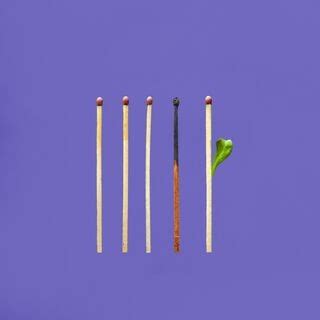
The exhilarating world of competitive gaming demands intense focus, rapid reflexes, and countless hours of practice. While the pursuit of victory is a powerful motivator, the relentless pressure and high stakes can often lead to a silent but devastating opponent: burnout. For professional and aspiring esports athletes, understanding and actively combating burnout isn’t just about well-being; it’s crucial for sustained performance and career longevity.
Understanding the Burnout Phenomenon in Esports
Burnout in competitive gaming isn’t merely feeling tired; it’s a state of physical, emotional, and mental exhaustion caused by prolonged or excessive stress. It manifests as a lack of motivation, diminished performance, cynical attitudes towards gaming, and a general feeling of ineffectiveness. Unlike simple fatigue, burnout doesn’t resolve with a good night’s sleep; it requires a more holistic approach to recovery.

Recognizing the Early Warning Signs
Identifying burnout early is key to preventing its full onset. Watch out for these common indicators:
- Decreased Performance: Slower reaction times, poor decision-making, and repeated mistakes in gameplay.
- Loss of Enjoyment: Gaming feels like a chore rather than a passion, even for favorite titles.
- Irritability and Frustration: Easily angered during games or even outside of them, leading to tension.
- Physical Symptoms: Chronic fatigue, headaches, eye strain, disturbed sleep patterns, or increased susceptibility to illness.
- Social Withdrawal: Isolating from teammates, friends, or the gaming community.
Practical Strategies for Combating Burnout
1. Implement Structured Breaks and Rest
The grind is real, but so is the need for rest. Schedule regular, non-negotiable breaks throughout your day, week, and even season. This isn’t just stepping away from the keyboard; it’s mentally disengaging. A short 15-minute walk, a quick meal away from your setup, or a full day off each week can significantly refresh your mind. Consider longer off-seasons or extended breaks after major tournaments to fully recharge.
2. Diversify Your Activities and Hobbies
While gaming is central, it shouldn’t be your entire identity. Engage in activities completely unrelated to esports. This could be reading, playing a musical instrument, cooking, hiking, or any hobby that brings you joy and takes your mind off the competitive pressure. This mental detachment allows your brain to process information differently and reduces the cognitive load associated with gaming.
3. Prioritize Physical Well-being
Your body is your temple, even for esports. Neglecting physical health directly impacts mental acuity and emotional resilience. Focus on:
- Consistent Sleep: Aim for 7-9 hours of quality sleep per night. Establish a regular sleep schedule, even on weekends.
- Nutritious Diet: Fuel your body with balanced meals, avoiding excessive sugar, caffeine, and processed foods that can lead to energy crashes and poor focus.
- Regular Exercise: Incorporate physical activity into your routine. Even light cardio or strength training a few times a week can reduce stress, improve mood, and boost cognitive function.

4. Cultivate Mental Fortitude and a Healthy Mindset
Burnout often stems from perceived failures or immense pressure. Develop strategies to manage your thoughts and emotions:
- Mindfulness and Meditation: Short meditation sessions can help calm the mind, improve focus, and reduce stress and anxiety.
- Set Realistic Goals: Understand that progress isn’t linear. Celebrate small victories and learn from losses without dwelling on them excessively.
- Reframing Challenges: View setbacks as learning opportunities rather than insurmountable obstacles. Focus on what you can control and improve.
5. Build a Strong Support System
You don’t have to face burnout alone. Lean on your teammates, friends, family, or even a mentor in the esports community. Openly discussing your struggles can alleviate pressure and provide valuable perspectives. A strong support network can offer emotional encouragement, practical advice, and a sense of belonging.
6. Don’t Hesitate to Seek Professional Help
If burnout becomes overwhelming and interferes significantly with your life and performance, consider seeking help from a mental health professional. A therapist or sports psychologist specializing in competitive environments can provide tailored strategies, coping mechanisms, and a safe space to process your experiences.
Conclusion
Burnout is a serious threat to any competitive gamer’s career and well-being. By proactively implementing structured breaks, nurturing physical health, cultivating mental resilience, fostering a strong support network, and knowing when to seek professional help, gamers can navigate the demanding landscape of esports. Prioritizing self-care isn’t a sign of weakness; it’s a strategic move that ensures longevity, maintains passion, and ultimately leads to more consistent, higher-level performance in the long run.