Dealing with mod disputes: Strategies for gaming community leaders?
Gaming communities thrive on passion, shared interests, and dedication. However, even the most vibrant communities can face internal challenges, particularly when disputes arise among the very individuals tasked with maintaining order: the moderators. Mod disputes, whether stemming from disagreements over rule enforcement, personal conflicts, or differing visions for the community, can quickly destabilize a gaming environment. For community leaders, addressing these conflicts isn’t just about problem-solving; it’s about safeguarding the community’s health, ensuring fairness, and preserving trust.
Understanding the Roots of Conflict
The first step in effective dispute resolution is to thoroughly understand the underlying causes. Mod disputes often aren’t simple disagreements but rather symptoms of deeper issues. These can include a lack of clear guidelines, power imbalances, differing interpretations of community rules, personal biases, or even burnout among the moderation team. Leaders must approach these situations with an investigative mindset, focusing on facts and perspectives rather than jumping to conclusions. Anonymous feedback mechanisms or one-on-one check-ins can reveal simmering tensions before they boil over.
Establishing Clear Guidelines and Policies
Prevention is often the best cure. A robust framework of clear, accessible guidelines is paramount. This includes not only a comprehensive code of conduct for community members but also specific protocols for moderators themselves. These protocols should detail expectations for behavior, decision-making processes, channels for internal disagreements, and a defined process for handling complaints against mods. Transparency about these policies, both to mods and the wider community, builds trust and provides a reference point for resolving disputes objectively.
Furthermore, leaders should establish a clear hierarchy and decision-making process for complex or contentious issues. This ensures that no single mod is solely responsible for high-stakes decisions and provides an escalation path when internal agreement can’t be reached. Regular reviews and updates of these policies are crucial to keep them relevant and effective as the community evolves.
Fostering Open Communication and Mediation
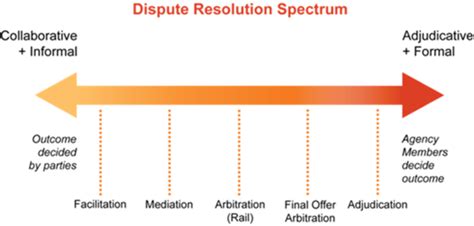
Once a dispute arises, effective communication is key. Community leaders should create a safe space for all parties involved to voice their concerns without fear of reprisal. This often means stepping into a mediator role, facilitating dialogue, and ensuring all perspectives are heard respectfully. Active listening, empathy, and a commitment to impartiality are vital here. Sometimes, a neutral third party (another senior leader or even an external consultant for very severe cases) can help break impasses.
Private channels for discussion are essential to prevent public drama, which can further polarize the community. Focus on identifying common ground and mutually agreeable solutions rather than assigning blame. The goal should be to restore working relationships and re-align the team with the community’s overarching goals.
Empowering Mods and Providing Support
A well-supported mod team is less prone to internal conflict. Leaders should invest in training for their moderators, covering not just rule enforcement but also conflict resolution techniques, de-escalation strategies, and effective communication. Empowering mods means giving them the tools and confidence to do their job, but also providing them with a clear support structure for when they face challenges, including disputes with fellow mods or difficult community members.
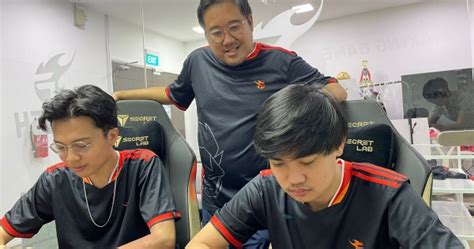
Regular check-ins, performance reviews (focused on growth rather than just errors), and opportunities for feedback from the mod team to the leadership are essential. Recognizing the hard work and dedication of moderators can also go a long way in fostering a positive team environment and reducing friction.
Leading by Example and Consistency
Ultimately, a community leader’s own actions set the tone. Demonstrating fairness, impartiality, and consistent application of rules is crucial. When leaders handle mod disputes, they must do so with integrity, upholding the established policies even when difficult decisions are required. Any perception of favoritism or inconsistency can quickly erode trust, not only among the mod team but throughout the entire community.
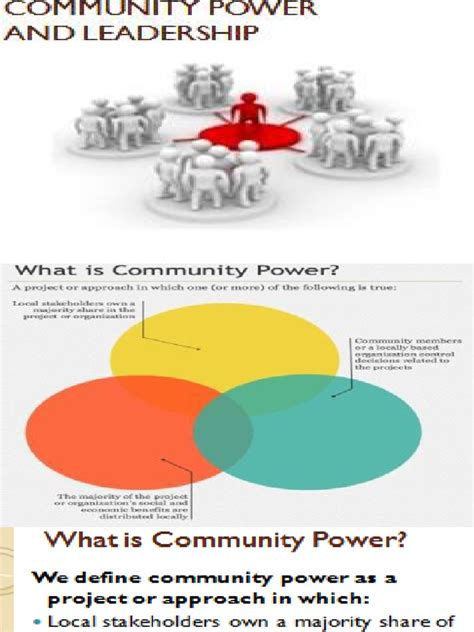
This also means being prepared to make tough decisions, including removing mods if necessary, when conflicts become irreconcilable or consistently undermine the community’s well-being. Such decisions should always be made after thorough investigation and in accordance with established policies, communicated clearly and professionally to those affected.
Conclusion
Dealing with mod disputes is an inevitable, albeit challenging, aspect of leading a thriving gaming community. By proactively establishing clear guidelines, fostering open and respectful communication, empowering and supporting their moderation teams, and consistently leading by example, community leaders can transform potential crises into opportunities for growth and stronger team cohesion. A healthy mod team is the backbone of a healthy community, and effective dispute resolution ensures that backbone remains strong and supportive for everyone.