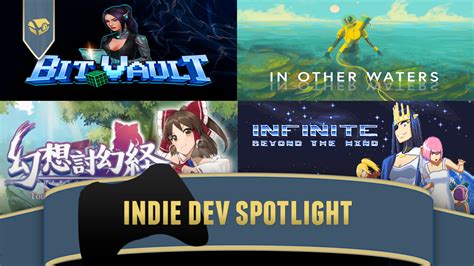
Devs: Best pitch to get your indie game featured in Indie Spotlight?
For independent game developers, getting your creation noticed amidst the vast sea of new releases is a monumental challenge. A feature in a prominent “Indie Spotlight” can be a game-changer, offering invaluable exposure to a dedicated audience. But with countless submissions vying for attention, how do you make your game stand out? It all comes down to the pitch.
Understanding the Indie Spotlight Audience
Before you even begin writing, consider who you’re pitching to. The editors, curators, or journalists running an “Indie Spotlight” are looking for stories, innovation, and passion. They want to discover games that resonate with their platform’s unique voice and engage their readership. Research past features: What kind of games do they highlight? What aspects do they focus on? Tailoring your pitch to their specific interests is crucial.

Crafting Your Core Message: The Hook
Your pitch needs a compelling hook. This isn’t just about listing features; it’s about conveying the heart of your game. What makes it unique? What emotion does it evoke? Is it a fresh take on a classic genre, a narrative masterpiece, or a groundbreaking mechanic? Start with a concise, captivating summary that immediately grabs attention. Think elevator pitch: if you only had 30 seconds, what would you say?
Highlight your game’s unique selling proposition (USP). Is it the art style, the innovative gameplay loop, a compelling story, or a surprising twist? Be clear, confident, and enthusiastic without overselling. Authenticity is key.
Show, Don’t Just Tell: Visuals and Demos
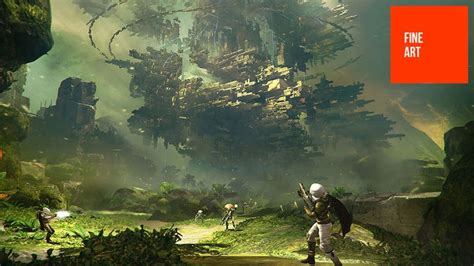
A picture is worth a thousand words, and a gameplay video is worth a million. Your pitch must be accompanied by high-quality visual assets. This includes stunning screenshots that capture the essence and mood of your game, and crucially, a concise, engaging gameplay trailer. The trailer should ideally be no longer than 60-90 seconds, showcasing core mechanics, visual appeal, and the overall feel of the game. Make it easy for them to see your game in action.
If you have a playable demo, ensure it’s easily accessible and polished. A well-crafted demo allows the spotlight team to experience your game firsthand, which can be far more impactful than any description.

The Practicalities: What to Include in Your Submission
Beyond the hook and visuals, your pitch should be professional and informative. Include essential details:
- Game Title & Developer Name: Clear and prominent.
- Release Date (or target): Important for planning.
- Platforms: Where can people play it?
- Key Features: A bulleted list of 3-5 standout features.
- Target Audience: Who is this game for?
- Press Kit Link: A single, easy-to-access link to a comprehensive press kit (including logos, screenshots, trailer, fact sheet, and developer bio).
- Contact Information: Professional and responsive.
Keep your email or submission form text concise. The press kit should do the heavy lifting of providing detailed information, while your pitch email serves as the engaging introduction.
Building Relationships and Persistence
Don’t view a pitch as a one-off event. Engage with the “Indie Spotlight” platform and its curators beforehand. Follow them on social media, comment on their articles, and show genuine interest in their work. When you do pitch, personalize it – mention something specific you liked about a previous feature. This shows you’ve done your homework and aren’t just sending a generic email.
Rejection or silence isn’t necessarily a “no” forever. Refine your game, gather more feedback, and polish your pitch. Sometimes, it’s just about timing. A polite follow-up after a reasonable period (e.g., 1-2 weeks) is acceptable, but avoid spamming. Persistence, coupled with continuous improvement, is a hallmark of successful indie developers.
Ultimately, a successful pitch for an “Indie Spotlight” combines passion, clarity, professionalism, and compelling visuals. Focus on what makes your game uniquely special, present it in an easily digestible format, and build genuine connections. Your game deserves to be seen – craft a pitch that makes it impossible to ignore.