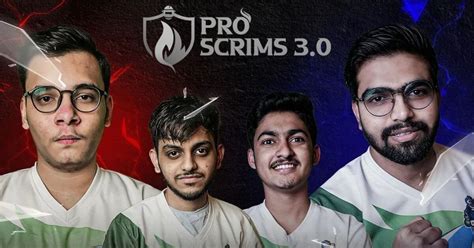
Effective strategies for maintaining mental health in high-pressure Esports matches?

A career in professional Esports is exhilarating but relentlessly demanding. Beyond the split-second reflexes and strategic mastery, success hinges significantly on mental fortitude. The pressure of high-stakes tournaments, constant public scrutiny, and the unforgiving nature of competitive play can take a heavy toll on a player’s mental health. This article delves into effective strategies designed to help Esports athletes navigate these challenges and maintain peak mental condition.
Understanding the Mental Battlefield
The unique environment of Esports presents several mental health challenges. Players often face immense performance anxiety, the fear of making mistakes under pressure, and the weight of their team’s and fans’ expectations. Burnout is a common issue, stemming from long practice hours and the blurring lines between work and personal life. Furthermore, online toxicity and public criticism can severely impact self-esteem and motivation. Recognizing these stressors is the first step toward developing resilient coping mechanisms.
Core Strategies for Mental Resilience
1. Mindfulness and Focus Techniques
In the heat of a match, maintaining focus and emotional regulation is paramount. Mindfulness practices, such as deep breathing exercises and meditation, can significantly improve a player’s ability to stay present, manage anxiety, and recover quickly from setbacks. Practicing these techniques regularly, even for short periods, builds a mental reserve that can be tapped into during intense moments. Techniques like the ‘tactical pause’ – a brief mental reset – can be invaluable.
2. Effective Communication and Team Cohesion
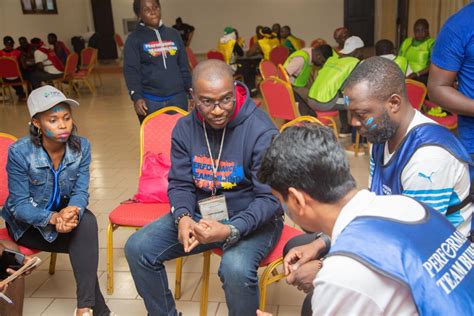
Esports is often a team endeavor, and strong communication extends beyond in-game callouts. Open and honest communication within the team about feelings, frustrations, and strategies fosters a supportive environment. Building strong team cohesion helps players feel understood and valued, reducing feelings of isolation. Conflict resolution skills are also vital, ensuring minor disagreements don’t escalate into debilitating team-wide tension.

3. Robust Self-Care Routines
Neglecting basic self-care is a common pitfall in high-pressure environments. Prioritizing consistent sleep, balanced nutrition, and regular physical activity are foundational for mental health. Physical exercise, in particular, is a powerful stress reliever and can improve cognitive function. Additionally, scheduling dedicated time away from the screen for hobbies, social interaction, or relaxation is crucial to prevent burnout and maintain a healthy work-life balance.

4. Professional Support and Mental Coaching
The stigma surrounding mental health is slowly eroding, especially in professional sports. Many successful Esports organizations now integrate sports psychologists or mental coaches into their support staff. These professionals can provide personalized strategies for performance anxiety, stress management, and emotional regulation. Seeking professional help should be viewed as a strength, not a weakness, and can significantly enhance a player’s career longevity and well-being.

5. Post-Match Debrief and Learning
Every match, win or lose, is an opportunity for growth. A structured post-match debrief, focusing on constructive analysis rather than blame, helps players process outcomes emotionally and strategically. Learning from mistakes, understanding game flow, and celebrating small victories contribute to a healthy learning mindset. This process should also involve acknowledging and managing the emotional impact of a loss, preventing it from spiraling into self-doubt.
Conclusion
Maintaining mental health in high-pressure Esports matches is not a luxury; it’s a necessity for sustained performance and personal well-being. By integrating mindfulness, fostering strong team communication, prioritizing self-care, seeking professional support, and engaging in constructive post-match analysis, Esports athletes can build the resilience needed to thrive in their demanding careers. A holistic approach to training that equally values mental and physical conditioning is the cornerstone of a successful and healthy professional Esports journey.