Effective template for negative review responses?
Turning Challenges into Opportunities: Mastering Negative Review Responses
Negative reviews are an inevitable part of doing business, but they don’t have to be detrimental. In fact, when handled correctly, a well-crafted response to a negative review can transform a potentially damaging situation into an opportunity to showcase exceptional customer service, build trust, and even attract new customers. The key lies in having a systematic and empathetic approach, often best achieved through an effective template.
Why a Template is Crucial
While every negative review is unique, a foundational template ensures consistency, professionalism, and helps you address common pain points efficiently. It acts as a guide, ensuring you hit all the necessary points without overlooking critical steps. This structured approach saves time and reduces the emotional stress of responding to criticism.
Key Elements of an Effective Negative Review Response Template
A powerful response isn’t just about saying “sorry.” It involves several strategic components that work together to de-escalate, resolve, and rebuild confidence:
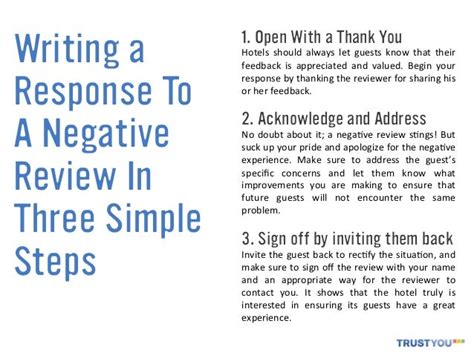
- Acknowledge and Thank: Start by thanking the customer for their feedback, even if it’s negative. Acknowledge their specific issue clearly.
- Apologize (Sincerely): If your business made a mistake, apologize genuinely. If it wasn’t a direct error, apologize for their negative experience. Sincerity is paramount.
- Empathize: Show that you understand their frustration or disappointment. Use phrases like “I understand how frustrating that must be” or “I’m truly sorry you experienced this.”
- Offer a Solution or Action: Briefly explain what you’ve done, are doing, or will do to address the problem. This could be investigating, retraining staff, or improving a product/service.
- Take it Offline: Provide a direct way for them to contact you privately (email, phone number, direct message). This moves sensitive discussions away from public view and allows for personalized resolution.
- Reiterate Commitment: End by reaffirming your commitment to customer satisfaction and inviting them to give your business another chance.
Putting the Template into Action: An Example
Consider this structure:
“Dear [Customer Name, if available, otherwise just ‘Valued Customer’],
Thank you for taking the time to share your feedback regarding your recent experience at [Your Business Name]. We truly appreciate you bringing this to our attention.
We are so sorry to hear that [mention specific issue, e.g., ‘your order was incorrect and the service was slow’]. I understand how frustrating it must be when [rephrase their pain point]. This is certainly not the standard of service we aim to provide, and we sincerely apologize for falling short of your expectations on this occasion.
We are already [mention action taken, e.g., ‘reviewing our kitchen processes and retraining our staff on order accuracy and efficiency’] to prevent similar incidents. We would genuinely like to make this right. Could you please contact us directly at [your email address] or [your phone number] so we can discuss this further and find a resolution?
We value your business and hope you’ll give us another opportunity to provide you with the excellent experience we are known for.
Sincerely,
[Your Name/Team Name]
[Your Business Name]”

Best Practices for Implementation
Beyond the template, successful negative review management hinges on these best practices:
- Timeliness: Respond as quickly as possible, ideally within 24-48 hours. Delayed responses can escalate frustration.
- Personalization: Always personalize the response by referencing specific details from the review. Avoid generic, canned replies.
- Professional Tone: Maintain a calm, professional, and respectful tone, even if the reviewer is emotional or aggressive.
- Consistency: Apply your template and best practices consistently across all review platforms.
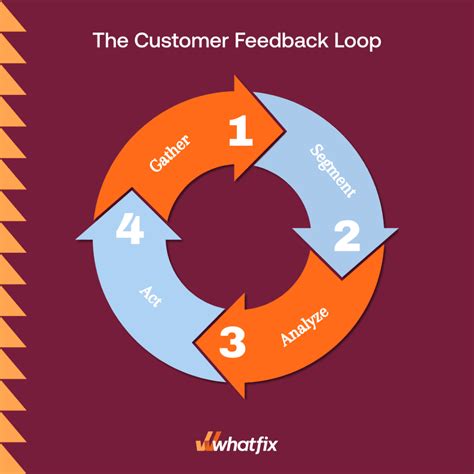
- Learn and Improve: Use negative feedback as a valuable source of information to improve your products, services, and operational processes.
Conclusion
Responding to negative reviews effectively is more than just damage control; it’s a critical component of strong online reputation management and customer relationship building. By utilizing a well-structured template that incorporates empathy, apology, and a clear path to resolution, businesses can turn critical feedback into a powerful demonstration of their commitment to excellence. Master this art, and you’ll not only mitigate negative impacts but actively foster trust and loyalty among your customer base.