Effective ways to handle mod community toxicity and build positive user engagement?
Maintaining a healthy, vibrant online community is a paramount goal for any platform or group. However, the rise of digital spaces has also brought challenges, particularly concerning community toxicity. Negative interactions, spam, harassment, and misinformation can quickly erode trust and drive users away. Effective moderation isn’t just about deleting offensive content; it’s about actively shaping an environment where users feel safe, respected, and encouraged to contribute positively.
Understanding the Roots of Toxicity
Before addressing toxicity, it’s vital to understand its origins. Factors like anonymity, a lack of clear rules, misinterpretation of tone, and the amplification of extreme views can all contribute to a hostile atmosphere. Sometimes, it stems from genuine disagreement escalating without proper guidance; other times, it’s deliberate disruption. Recognizing these root causes helps in developing more targeted and effective prevention and intervention strategies.

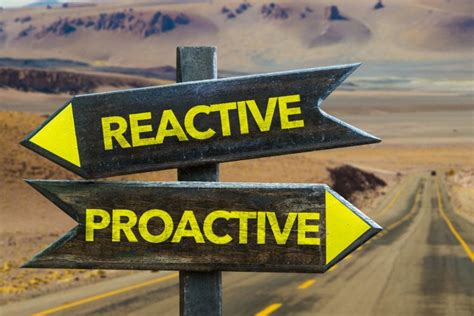
Proactive Measures: Setting the Foundation for Positivity
Prevention is always better than cure. Establishing a strong foundation of positive engagement can significantly reduce the incidence of toxicity.
Clear and Accessible Community Guidelines
Start with comprehensive, easy-to-understand guidelines. These rules should clearly define acceptable and unacceptable behavior, what constitutes a violation, and the potential consequences. Make them prominent and readily accessible to all users.
Active Moderation and Consistency
Moderators must be consistently present and apply rules fairly and impartially. Inconsistent enforcement breeds resentment and a perception of bias, undermining the entire system. Regular patrols, prompt responses to reports, and a visible moderator presence signal that the community is actively managed.
Onboarding and Education
Educate new members about the community’s culture and guidelines from the moment they join. This can be through welcome messages, tutorials, or designated “safe spaces” for new users to ask questions without fear of immediate judgment.
Reactive Strategies: Handling Toxicity When It Arises
Despite proactive efforts, toxicity will inevitably appear. How moderators respond is critical.
Swift, Fair, and Transparent Enforcement
When a violation occurs, act quickly. Delay can allow negativity to fester. Ensure that actions taken are fair, based on the established rules, and as transparent as possible (without revealing sensitive user data). Explaining why an action was taken, where appropriate, helps users understand the boundaries.
De-escalation Techniques
Not every conflict requires a ban. Moderators can be trained in de-escalation tactics, such as redirecting conversations, offering neutral third-party perspectives, or temporarily closing comment threads to cool down heated discussions. The goal is to diffuse, not to inflame.
Private Messaging and Warning Systems
For minor infractions, a private message or a formal warning can be more effective than public shaming. This allows users to understand their mistake and correct their behavior without losing face publicly, fostering a sense of redemption rather than alienation.

Fostering Positive Engagement
Beyond preventing toxicity, actively cultivating positive engagement is key to a thriving community.
Recognize and Reward Positive Behavior
Acknowledge and celebrate users who contribute constructively, help others, or embody the community’s positive values. This could be through shout-outs, special roles, or virtual badges. Positive reinforcement encourages more of the desired behavior.
Create Inclusive Spaces and Events
Organize events, discussions, or sub-groups that cater to diverse interests and encourage collaborative activities. Inclusive spaces ensure that all members feel a sense of belonging and have opportunities to connect positively.
Empower Community Leaders
Identify and empower positive, influential members of your community. They can act as peer mentors, help moderate, and set a positive example, extending the reach of moderation beyond official staff.

The Role of Technology and Tools
Moderation doesn’t have to be purely manual. Leverage technology to assist your efforts:
- Automated Moderation Tools: AI-powered tools can detect and flag spam, hate speech, or inappropriate content, reducing the manual workload for moderators.
- Robust Reporting Systems: Make it easy for users to report violations. A clear, efficient reporting system empowers the community to help maintain standards.
- Analytics and Data: Monitor key metrics like moderation actions, user engagement, and content trends. This data can reveal patterns of toxicity and help refine strategies.
Effectively managing community toxicity and building positive user engagement is an ongoing process. It requires a blend of clear rules, consistent enforcement, proactive engagement, and a willingness to adapt. By fostering an environment where respect and collaboration are prioritized, communities can flourish, becoming truly valuable spaces for all their members.
![[100+] Community Wallpapers | Wallpapers.com](/images/aHR0cHM6Ly90czEubW0uYmluZy5uZXQvdGg/aWQ9T0lQLnNGNlJ2NVdyMkduMEFKSFo5dm1xeXdIYUU4JnBpZD0xNS4x.webp)