Efficient methods for competitive players to analyze replays & improve?
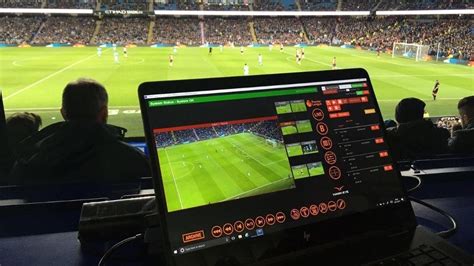
In the high-stakes world of esports, raw talent and hours of practice are often not enough to reach the pinnacle of competitive play. The most successful players consistently leverage a powerful tool often overlooked by many: replay analysis. Systematically reviewing past matches, or VODs (Video On Demand), is akin to a surgeon reviewing a complex operation – every detail, every decision, and every outcome offers invaluable lessons. For competitive players aiming to ascend the ranks, efficient replay analysis is not just a suggestion; it’s a fundamental requirement for continuous improvement.
Why Replay Analysis is Non-Negotiable
Replay analysis provides an objective lens through which to view your gameplay, free from the heat of the moment and the pressure of live competition. It allows you to slow down, pause, and examine scenarios that flashed by in real-time, offering insights into decision-making, mechanical execution, and strategic positioning. Without this critical self-assessment, players risk repeating the same mistakes, hindering their progress and limiting their potential.
The Pre-Analysis Ritual: Setting the Stage
Before diving into a replay, competitive players should establish a clear objective. Are you focusing on your laning phase, team fight execution, economy management, or specific character matchups? Having a target will prevent aimless viewing. It’s also beneficial to watch the replay shortly after the game, while your memory of the events and your feelings during the match are still fresh. Prepare a notepad or a digital document to jot down timestamps, observations, and potential areas for improvement.
What to Look For: A Targeted Approach
Personal Mistakes & Decisions
This is often the first and most critical area to examine. Watch your own perspective (Player POV) closely. Ask yourself:
- Did I make the optimal decision given the information I had?
- Were my mechanics precise, or did I miss crucial inputs?
- Was my positioning safe yet effective?
- Did I waste resources or mismanage cooldowns?
- What assumptions did I make, and were they correct?
Be honest and objective. Identify specific instances where different actions could have led to better outcomes.
Opponent Analysis & Counter-Strategy
Switching to an opponent’s POV or a bird’s-eye view can reveal their tendencies, patterns, and weaknesses. Look for:
- How do they react to your aggression or passive play?
- What are their common rotations, item builds, or ability usages?
- Are there specific timings or vulnerabilities you can exploit in future games?
Team Play & Communication
If you play in a team, analyze how well your unit functioned. Evaluate:
- Was communication clear, concise, and timely?
- Were objectives prioritized correctly?
- Did the team execute collective strategies effectively?
- Were there synchronization issues or missed opportunities for synergy?
Tools and Techniques for Deeper Insight
Most competitive games offer robust replay systems that allow for speed adjustments, camera switching (player POV, free camera, objective camera), and often even hotkey overlays. Utilize these features fully. Slow down critical moments to 0.25x speed, then watch them at normal speed to understand the flow. Repeatedly watch key engagements from multiple perspectives – your own, an ally’s, an opponent’s, and a tactical overview.
- Timestamping: Mark specific moments in the replay (e.g., 5:32 – missed crucial ultimate, 12:10 – good rotation call, 21:45 – poor objective control).
- Voice Over/Self-Commentary: Record yourself narrating your thoughts during the replay. This verbalizes your thought process and helps identify gaps in your decision-making.
- Comparison: Compare your play in a winning match versus a losing match. What fundamental differences in approach or execution emerge?
Translating Analysis into Actionable Improvement
Simply identifying mistakes isn’t enough; the key is to develop actionable steps. For each identified weakness, formulate a specific practice goal. For example, if you consistently miss a certain skill shot, commit to dedicating 15 minutes of warm-up time to a custom game specifically practicing that ability. If your map awareness is lacking, make a conscious effort to check your mini-map every few seconds in your next games.

- Focused Practice: Design drills or custom game scenarios to specifically address identified weaknesses.
- One Thing at a Time: Don’t try to fix everything at once. Pick one or two major areas to focus on for a few games before moving to the next.
- Mentorship: Share your replays with a coach or a more experienced player for an external perspective.
The Iterative Cycle: Review, Practice, Review
Replay analysis is not a one-time event; it’s an ongoing, iterative cycle. After implementing your focused practice and playing more games, record new replays and analyze them again. This continuous loop of identification, practice, and re-evaluation is the engine of consistent improvement in competitive gaming. Each cycle refines your skills, sharpens your decision-making, and brings you closer to your competitive goals.

For competitive players, replay analysis is the ultimate training ground. It transforms mere playtime into deliberate practice, turning losses into lessons and building a robust foundation for future victories. Embrace the VOD, analyze with intent, and watch your competitive edge sharpen dramatically.