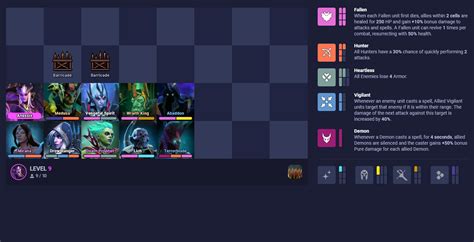
Efficiently identify and pivot to new meta builds after a major game update?

Navigating the Post-Patch Landscape
Major game updates are a double-edged sword for competitive players. While they bring fresh content and balance changes, they also reset the strategic landscape, often rendering previously dominant “meta builds” obsolete. The ability to efficiently identify and pivot to new optimal strategies is a crucial skill that separates top players from the rest. This guide will walk you through a systematic approach to mastering the post-patch chaos.
Phase 1: Deep Dive into Patch Notes
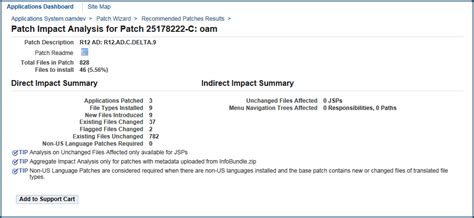
Your first and most critical step is a thorough analysis of the official patch notes. Don’t just skim; read every detail. Pay close attention to:
- Direct Buffs & Nerfs: Which characters, items, or abilities received direct power adjustments? Understand the numerical changes and their potential impact.
- Systemic Changes: Are there alterations to core game mechanics, economy, map layouts, or fundamental rules? These can have far-reaching, non-obvious consequences.
- New Additions: New characters, items, or abilities often create entirely new build possibilities or counter-strategies. Understand their kit and potential synergies.
Look for synergistic changes. A small buff to one element combined with a nerf to its counter, or the introduction of a new item that perfectly complements an existing ability, can create powerful new combinations.
Phase 2: Early Observation and Data Gathering
Once you understand the theoretical changes, it’s time to see them in action. This phase is about gathering initial data without necessarily committing to a new strategy yourself.
- Watch Top Players & Streamers: High-level players often experiment immediately. Observe what they’re trying, what seems strong, and what fails. Don’t blindly copy, but use their insights as a starting point.
- Review Community Discussions: Forums, Reddit, Discord servers are buzzing with early theories and player experiences. Filter out the noise and look for consistent patterns or insightful analyses.
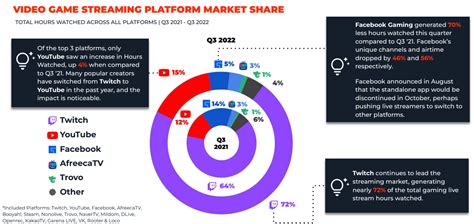
- Utilize Data Aggregators: If your game has sites that track pick rates, win rates, and item popularity for different builds, these can provide valuable early statistics. Be cautious with very early data, as it can be volatile and reflect initial experimentation more than true power.
Focus on identifying trends rather than isolated incidents. Is a particular character’s win rate spiking across all skill levels? Is a new item appearing in many top builds?
Phase 3: Theorycrafting and Practical Experimentation
With initial data in hand, it’s time to move from observation to active participation. This is where you formulate hypotheses and test them rigorously.
Developing New Build Hypotheses
Based on your patch analysis and observations, start brainstorming potential new meta builds. Ask yourself:
- Which characters or strategies were indirectly buffed by nerfs to their counters?
- Which new items or abilities create powerful synergies with existing kits?
- Are there new ways to play existing characters that were previously overlooked?
Low-Stakes Testing
Avoid immediately taking unproven builds into high-stakes competitive matches. Instead:
- Practice/Custom Games: Test core mechanics and damage numbers without pressure.
- Unranked/Casual Modes: Get a feel for how the build performs against real opponents in a less punishing environment.
Document your findings. What felt strong? What felt weak? What were the key matchups? Don’t be afraid to iterate and adjust your build based on these initial tests. Often, the first version of a new meta build is far from its optimized form.

Phase 4: Adapt, Refine, and Share
The meta is a living entity, constantly evolving. Your initial successful pivot isn’t the end of the journey; it’s the beginning of continuous refinement.
Once you’ve identified a strong build and practiced it, integrate it into your competitive play. Continue to observe how other players react and adapt. Share your findings with trusted teammates or community members to get diverse perspectives and refine your understanding. The collective knowledge often leads to quicker optimization.
Be prepared for your “new meta” build to eventually be countered or supplanted. The cycle of patch analysis, observation, theorycrafting, and adaptation is ongoing in competitive gaming. Embrace it as an opportunity to constantly learn and grow as a player.
Conclusion: The Agility of a Top Player
Efficiently identifying and pivoting to new meta builds isn’t about guesswork; it’s a methodical process combining careful analysis, diligent observation, hands-on experimentation, and continuous adaptation. By approaching each major game update with this structured mindset, you not only stay ahead of the curve but also deepen your understanding of the game’s intricate mechanics. Embrace the change, and you’ll find yourself consistently performing at your peak, regardless of how the meta shifts.