Esports burnout: practical mental health tips for pro players?

The Invisible Opponent: Understanding Esports Burnout
The world of professional esports is exhilarating, a high-stakes arena where skill, strategy, and rapid reflexes converge. Millions tune in to watch their heroes dominate, but behind the dazzling displays and fierce competition lies a demanding reality that can take a significant toll on players’ mental well-being. Unlike traditional sports, the lines between work and leisure often blur in gaming, leading to intense schedules, constant pressure, and an elevated risk of burnout.
Esports burnout is not merely physical fatigue; it’s a state of emotional, mental, and physical exhaustion caused by prolonged or excessive stress. It saps motivation, dulls reaction times, and can ultimately lead to a premature end to a promising career. Recognizing its signs and implementing preventative strategies is crucial for the longevity and health of professional gamers.
Why Pro Players Are Vulnerable
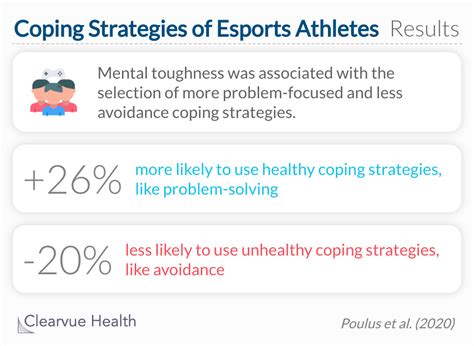
Several unique factors contribute to the high incidence of burnout among esports professionals:
- Grueling Schedules: Daily practice can extend for 10-14 hours, coupled with scrims, VOD reviews, content creation, and travel.
- Constant Performance Pressure: Every match, every tournament, every scrim is scrutinized by fans, coaches, and sponsors. The expectation to always perform at peak level is immense.
- Public Scrutiny: Players are constantly in the public eye, facing both praise and harsh criticism from large fan bases and social media.
- Lack of Work-Life Balance: The immersive nature of gaming can make it difficult to disconnect, leading to an imbalance that erodes personal time and relationships.
- High Stakes: Careers can be short, and financial security often depends on continuous top-tier performance, adding another layer of stress.
Recognizing the Warning Signs
Early detection is vital. Pro players and their support staff should watch for these common indicators of burnout:
- Chronic Fatigue: Feeling constantly tired, even after adequate sleep.
- Loss of Motivation: A decline in interest or enjoyment in the game, even for practice.
- Reduced Performance: Slower reaction times, poor decision-making, or difficulty concentrating.
- Irritability and Emotional Volatility: Increased anger, frustration, or mood swings.
- Social Withdrawal: Isolating oneself from teammates, friends, and family.
- Physical Ailments: Headaches, stomach issues, muscle tension, or increased susceptibility to illness.
- Anxiety and Depression: Persistent feelings of worry, sadness, hopelessness, or difficulty sleeping.
Practical Mental Health Strategies
Prioritize Structured Downtime
Just as physical training requires rest days, mental training demands deliberate breaks. Implement regular, non-negotiable breaks throughout the day, ensuring full days off, and advocating for proper vacation periods. During this time, actively disconnect from gaming – no streaming, no competitive play, no VOD reviews. Engage in hobbies completely unrelated to esports, whether it’s reading, hiking, cooking, or spending time with pets.
Embrace Physical Well-being
The mind and body are inextricably linked. Neglecting physical health directly impacts mental resilience. Incorporate regular physical activity – even 30 minutes of light exercise daily can significantly reduce stress. Focus on a balanced diet rich in nutrients and limit excessive caffeine or sugary drinks. Crucially, establish a consistent sleep schedule; quality sleep is fundamental for cognitive function, emotional regulation, and overall recovery.
Develop Stress Management Techniques
Learning to manage stress effectively is a vital skill. Mindfulness practices, such as meditation or deep breathing exercises, can help players stay present, reduce anxiety, and improve focus. Journaling can also be a powerful tool for processing thoughts and emotions, helping to identify stressors and develop coping mechanisms.

Cultivate a Strong Support System
Isolation amplifies burnout. Encourage open communication within the team, fostering an environment where players feel comfortable discussing struggles. Beyond teammates, maintaining strong connections with family and friends provides a crucial emotional anchor. Don’t be afraid to lean on this support network; sharing burdens can lighten them considerably.
Set Clear Boundaries
The line between professional commitment and personal life can become incredibly blurred in esports. Pro players must learn to set clear boundaries. This means having defined practice hours, and then strictly adhering to personal time. Learning to say ‘no’ to extra demands, protecting your mental space, and having dedicated non-gaming activities are essential for preventing encroachment on personal well-being.

Seek Professional Guidance
There’s no shame in seeking professional help. Therapists, counselors, or sports psychologists who understand the unique pressures of competitive gaming can provide tailored strategies for managing stress, performance anxiety, and burnout. Many esports organizations are now integrating mental health professionals into their staff, a positive step towards destigmatizing and normalizing this vital support.
Conclusion: A Sustainable Future for Esports
Esports burnout is a significant challenge, but it’s not insurmountable. By proactively integrating mental health strategies into daily routines and fostering supportive environments, professional players can build resilience, maintain peak performance, and enjoy longer, healthier careers. Prioritizing mental well-being is not just about individual player health; it’s about ensuring the sustainable growth and integrity of the entire esports industry.