Esports mental game: How do pros overcome tilt and maintain focus?
The Unseen Battleground: Mental Fortitude in Esports
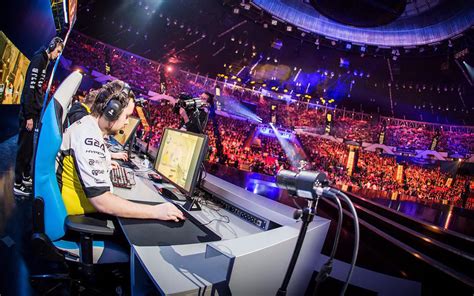
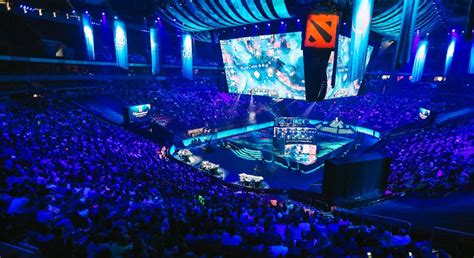
In the electrifying arenas of professional esports, where milliseconds dictate victory and defeat, mechanical skill and strategic prowess are just two facets of a champion. The third, often overlooked but arguably most critical, is the mental game. Pro players operate under immense pressure, facing rapid decision-making, team coordination challenges, and the constant threat of ’tilt’ – a state of emotional frustration leading to impaired performance. How do these elite competitors not only survive but thrive in such mentally taxing environments?
Understanding and Conquering Tilt
Tilt is the nemesis of every competitive player. It’s that spiral of frustration, anger, or despair that causes judgment errors, aggressive misplays, and a breakdown in communication. For esports pros, identifying and stopping tilt in its tracks is a learned skill. They often employ:
- Self-Awareness: Recognizing the early signs of tilt – increased heart rate, negative self-talk, impulsive decisions.
- Reset Protocols: Implementing quick, personal rituals like deep breathing exercises, taking a sip of water, or looking away from the screen for a few seconds to break the negative thought cycle.
- Communication: Openly acknowledging tilt to teammates (e.g., “I’m a bit tilted, focusing on my lane”) can help manage expectations and prevent further frustration.
- Emotional Regulation: Training themselves to detach from individual mistakes and focus solely on the next optimal play, understanding that perfection is unattainable.

Strategies for Maintaining Laser Focus
Beyond simply avoiding negative states, pros actively cultivate hyper-focus. This isn’t just about ignoring distractions; it’s about channeling all mental energy into the game. Their methods include:
- Pre-Game Routines: Meticulous preparation involving meditation, visualization, listening to specific music, or even light physical exercise to get into the zone.
- Environmental Control: Ensuring their setup is optimized for minimal external distractions – noise-canceling headphones, a clean workspace, and no unnecessary applications running.
- Micro-Focus: Breaking down the game into smaller, manageable objectives. Instead of being overwhelmed by the entire match, they focus on the current minute, the next objective, or their immediate role.
- Flow State Cultivation: Through countless hours of practice, pros aim to enter a ‘flow state’ where their skills perfectly match the challenge, leading to immersive, high-performance play where time seems to disappear.
The Role of Support Systems and Mental Training
Professional esports organizations increasingly recognize the value of mental fortitude. Many teams now employ sports psychologists, mental performance coaches, and dedicated support staff to work with players. These specialists help pros develop personalized strategies for stress management, focus enhancement, communication, and resilience. They conduct workshops, one-on-one sessions, and help analyze VODs (video on demand) not just for mechanical errors, but for mental slips.
Discipline and Continuous Improvement
Ultimately, overcoming tilt and maintaining focus isn’t a one-time fix; it’s an ongoing discipline. Pros dedicate significant time to mental training, viewing it with the same seriousness as their in-game practice. They review their performance, learn from their mistakes (both mechanical and mental), and continuously refine their psychological toolkit. This resilience and commitment to personal growth are what separate the good from the truly legendary.

Conclusion
The mental game in esports is a complex interplay of self-awareness, emotional regulation, and focused determination. Professional players are not just masters of their keyboards and mice; they are elite athletes of the mind, constantly battling internal and external pressures to achieve peak performance. Their strategies for overcoming tilt and maintaining focus offer valuable lessons not only for aspiring gamers but for anyone looking to enhance their mental resilience in high-stakes environments.