Esports team conflicts: Practical steps to resolve disputes & boost performance?

Esports, much like traditional sports, thrives on synergy, skill, and strategic execution. However, beneath the gleaming trophies and high-octane gameplay, competitive teams often grapple with a silent enemy: internal conflicts. Disputes, left unaddressed, can cripple team morale, shatter cohesion, and ultimately derail performance. Understanding how to effectively navigate these disagreements is not just beneficial—it’s paramount for long-term success and player well-being.
Understanding the Roots of Conflict in Esports Teams
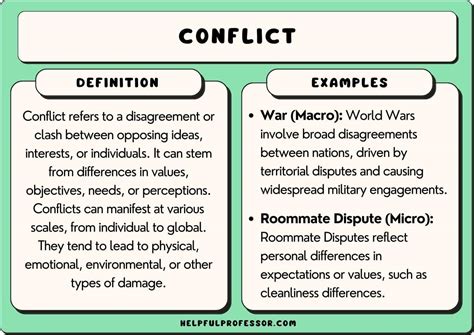
Conflicts in esports aren’t always about gameplay discrepancies. They frequently stem from a complex interplay of factors. Communication breakdowns are a primary culprit; unclear calls, unspoken frustrations, or passive-aggressive remarks can quickly escalate. Role ambiguity, where players aren’t sure of their precise responsibilities or feel others are overstepping, also sows discord. Personality clashes are inevitable when strong individualities are forced into high-pressure, interdependent roles. The immense stress and pressure to perform at an elite level, coupled with long practice hours, can exacerbate minor disagreements into major disputes.
Practical Steps for Effective Dispute Resolution
1. Establish Clear Communication Protocols
The foundation of any healthy team is open and honest communication. Teams should establish ground rules for how feedback is given and received, emphasizing constructive criticism over personal attacks. Active listening, ensuring each player feels heard, is vital. Regular, structured debriefs after scrims and matches should be a dedicated space for discussing performance and addressing concerns in a non-judgmental environment.
2. Define Roles and Responsibilities
Ambiguity breeds resentment. Every player needs a crystal-clear understanding of their role within the team, both in-game and out. This includes specific responsibilities, shot-calling hierarchy, and even expectations around practice commitment. A written team charter or agreement can be instrumental in formalizing these definitions and preventing future misunderstandings.
3. Implement a Conflict Resolution Framework
Having a pre-defined process for conflict resolution can de-escalate situations before they spiral. This might involve a multi-step approach: first, direct conversation between the conflicting parties; if unresolved, involving the team captain; and finally, if necessary, bringing in a coach or team manager. This structured approach ensures issues are addressed systematically, rather than festering or being ignored.
4. Foster a Culture of Empathy and Respect
Beyond tactical prowess, a team’s emotional intelligence is key. Encouraging players to understand each other’s perspectives, background, and emotional states can build stronger bonds. Team-building activities outside of the game, even simple social outings, can help foster personal connections and mutual respect, making it easier to navigate disagreements when they arise.
5. Utilize Coaching and Mediation
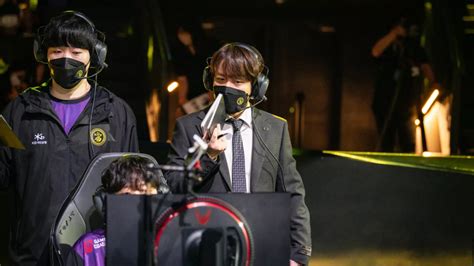
A skilled coach is more than just a strategist; they are often a crucial mediator and psychologist. Coaches can provide an objective perspective, facilitate difficult conversations, and teach effective communication techniques. For deeply entrenched conflicts, external professional mediators, specialized in group dynamics, can offer invaluable unbiased support to help the team find common ground.
Boosting Performance Through Harmony
Resolving conflicts isn’t just about peace; it’s a direct pathway to enhanced performance. A cohesive team with minimal internal friction can achieve superior synergy, executing strategies with greater precision and adapting more fluidly to in-game situations. Reduced mental fatigue from constant disputes allows players to focus entirely on the game, improving decision-making and reaction times. Moreover, a positive team environment fosters psychological safety, encouraging risk-taking and innovation without fear of reprisal, leading to more creative and effective gameplay.
Conclusion
Esports teams are complex ecosystems where individual brilliance must merge with collective effort. Conflicts are an unavoidable aspect of any high-stakes environment involving diverse personalities. However, by proactively establishing clear communication channels, defining roles, implementing resolution frameworks, and fostering a culture of respect, teams can not only navigate disputes effectively but also transform potential breakdowns into breakthroughs. Mastering conflict resolution is not merely about surviving challenges; it’s about building a resilient, high-performing unit poised for sustained success in the competitive world of esports.