Essential communication strategies for competitive esports team synergy?

The Backbone of Esports Victory: Seamless Communication
In the high-stakes world of competitive esports, individual mechanical skill, while crucial, often takes a backseat to the power of a perfectly synchronized team. The glue that holds these skilled players together, enabling them to execute complex strategies, react to dynamic situations, and ultimately secure victory, is flawless communication. Without it, even the most talented roster can crumble under pressure. This article delves into the essential communication strategies that competitive esports teams must master to achieve unparalleled synergy and dominate the arena.
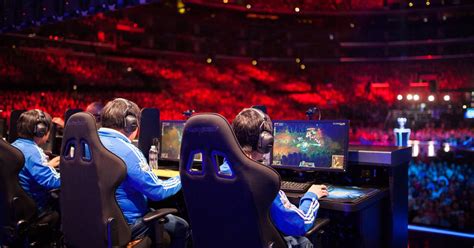
Clarity and Conciseness in Callouts
During a fast-paced match, every second counts. Long-winded explanations or ambiguous terms can lead to critical delays and misinterpretations. Elite esports teams prioritize clear, concise, and standardized callouts. This means using pre-established terminology for locations, enemy abilities, item timings, and strategic objectives. For instance, instead of saying, “The enemy top-laner is missing, I think they are going to try to gank mid,” a concise callout would be, “Top missing, potential mid gank.” This level of brevity allows teammates to process information rapidly and make immediate decisions without unnecessary cognitive load.
Training sessions should include dedicated time to drill these callouts, ensuring every team member understands and uses them uniformly. Discrepancies in terminology can be just as detrimental as no communication at all, creating confusion rather than clarity.
Active Listening and Confirmation
Communication isn’t just about speaking; it’s equally about listening. Active listening means fully absorbing and understanding the information being conveyed by teammates, rather than planning your next move while someone else is speaking. In competitive play, this involves filtering out background noise and focusing intently on verbal cues. A critical component of active listening is confirmation – a quick “copy that,” “understood,” or even a brief action (like pinging) that signals you’ve received and processed the information. This feedback loop prevents assumptions and ensures that strategic directives or warnings have been registered by all relevant parties.

Strategic Silence and Information Prioritization
While constant communication might seem beneficial, there are times when strategic silence is more effective. Over-communicating can lead to information overload, making it difficult to discern crucial data from trivial chatter. Top teams learn to prioritize information, knowing when to speak up and when to hold back. Critical calls about enemy positions, ultimate abilities, or immediate threats take precedence over less urgent observations. Team leaders often play a pivotal role here, filtering information and ensuring only the most pertinent details are broadcast during intense engagements. Developing a “pecking order” for communication urgency helps maintain a clean comms channel.
Post-Game Analysis and Constructive Feedback
The learning process for communication extends far beyond the live match. Post-game analysis sessions are vital for reviewing comms logs, identifying patterns of miscommunication, and pinpointing areas for improvement. This involves listening back to voice comms and correlating them with in-game events to understand where information was missed, misinterpreted, or delivered ineffectively. Critically, feedback must always be constructive and focused on team improvement rather than individual blame. Establishing a safe environment for open discussion allows players to honestly assess their communication habits and collectively work towards refinement.

Building Trust and Understanding Team Dynamics
Underlying all effective communication is trust. Team members must trust that their teammates will deliver accurate information, listen actively, and act on shared intelligence. This trust is built over time through consistent practice, shared experiences, and mutual respect. Understanding individual communication styles and tendencies also plays a significant role. Some players might be more direct, others more analytical; knowing these nuances helps teammates better interpret messages and respond appropriately. Team-building exercises, both in-game and out, can strengthen these bonds and foster a deeper understanding of each other’s thought processes, ultimately leading to more intuitive and seamless in-game communication.

Conclusion
In the fiercely competitive landscape of esports, a team’s ability to communicate effectively can be the decisive factor between triumph and defeat. By focusing on clarity, active listening, strategic prioritization, continuous feedback, and building foundational trust, teams can elevate their in-game synergy to an exceptional level. Mastering these communication strategies not only enhances performance but also transforms a collection of talented individuals into a truly formidable, cohesive unit, ready to conquer any challenge the esports arena throws their way.