Fastest way to adapt your core build to sudden meta shifts and balance patches?

Navigating the Ever-Shifting Sands of the Meta
In competitive gaming, the meta is a living, breathing entity. It constantly evolves, shaped by developer balance patches, new content releases, and innovative player strategies. What was once a dominant, unshakeable core build can become obsolete overnight. For players aiming for consistent high performance, the ability to rapidly adapt is not just an advantage—it’s a necessity. This article will break down the fastest and most effective strategies to adjust your beloved core build when the meta takes an unexpected turn.
Understanding the ‘Why’ Behind Meta Shifts
Before you can adapt, you must first understand why the meta is shifting. Balance patches are the most obvious catalyst, directly buffing or nerfing abilities, items, or champions/characters. However, indirect changes can be just as impactful: a new item might synergize perfectly with an underused character, or a small map change could fundamentally alter strategic pathways. Paying attention to developer notes and community discussions can give you early insights into these changes.
Deconstruct Your Core Build
Every successful build has core components and flexible elements. Your first step is to dissect your existing build: What are the absolute essentials that define its identity and primary function? And what are the interchangeable parts that can be swapped out without destroying the build’s core concept? Identifying these distinct layers allows for targeted adjustments rather than a complete overhaul.

Proactive Analysis vs. Reactive Observation
There are two primary approaches to adaptation. Proactive analysis involves scrutinizing patch notes immediately upon release. Look for direct impacts on your character/class, but also consider indirect effects on their counters, teammates, or overall game pace. How might these changes alter win conditions or power spikes?
Reactive observation, on the other hand, involves watching top players, streamers, and competitive matches shortly after a patch. See what they are experimenting with, which builds are gaining traction, and which strategies are falling out of favor. This provides practical, real-world data on what’s working.
Prioritize Small, Targeted Tweaks
The fastest way to adapt isn’t always to scrap everything and start from scratch. Often, the meta shifts only require minor adjustments. Did an item your build uses get nerfed? Look for a viable alternative with similar stats or effects. Did a counter to your build get buffed? Consider incorporating a defensive item or a slight change in ability order to mitigate that threat. These small, iterative changes can often keep your core build relevant with minimal disruption.

Leveraging Community Resources and Data
You don’t have to tackle meta adaptation alone. The gaming community is a treasure trove of information. Websites dedicated to build guides, statistical analysis platforms, and dedicated subreddits or forums are invaluable. These resources can quickly highlight emerging strong builds, provide data on item win rates, and offer discussions on optimal strategies. However, always exercise critical thinking; not all community advice is sound.

Test, Test, and Test Again
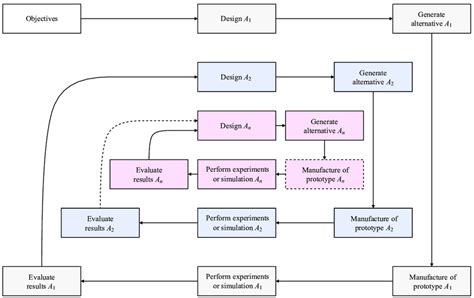
Theorycrafting is important, but nothing beats practical application. Once you’ve identified potential adjustments, take them into practice mode, unranked games, or even custom matches. Pay attention to how the changes feel, whether they address the meta’s new challenges, and if they still align with your preferred playstyle. Be prepared for several rounds of testing and further refinement. Don’t be afraid to fail initially; it’s part of the learning process.
Knowing When to Pivot Completely
While small tweaks are often sufficient, there comes a point where a core build might simply be unviable in the new meta. If your character or main strategy has been heavily nerfed, or if new counters have emerged that are impossible to mitigate, a complete pivot might be necessary. This is where your understanding of game mechanics, other characters, and alternative strategies becomes crucial. Having a secondary build or character you’re proficient with can greatly ease this transition.
Conclusion: Embrace Adaptability as a Skill
Adapting your core build quickly is less about magic and more about developing a systematic approach. By understanding the reasons behind meta shifts, deconstructing your builds, making targeted adjustments, leveraging community insights, and rigorously testing, you can stay ahead of the curve. View adaptability not as a chore, but as a critical skill that differentiates good players from great ones, ensuring your continued success in any competitive landscape.