For Indie Spotlight, what crucial pitch elements grab gamer interest most?
Crafting the Irresistible Indie Game Pitch
In the vast, ever-expanding universe of video games, indie titles often shine brightest when they manage to cut through the noise. But with thousands of new games released annually, simply making a great game isn’t enough; you need to pitch it effectively. For an indie game to truly grab gamer interest and land in the spotlight, its pitch must be meticulously crafted, highlighting specific elements that resonate deeply with potential players. What are these crucial elements?
The Unique Core Concept: Your Game’s DNA
At the heart of every captivating indie pitch is a unique and compelling core concept. Gamers are constantly looking for something fresh, innovative, or a beloved genre explored with a new twist. Your pitch needs to articulate this distinctiveness immediately. Is it a genre-blending masterpiece? A story-driven experience with unprecedented depth? A mechanic never seen before? Clearly defining what makes your game fundamentally different and exciting is paramount.
Avoid generic descriptions. Instead, focus on the ‘hook’ – that single, powerful idea that makes a gamer say, “I want to know more.” This could be a compelling narrative premise, a novel gameplay system, or a distinct art direction that complements the game’s theme. This core idea should be easily digestible and memorable.
Visual Appeal: A Picture is Worth a Thousand Pitches
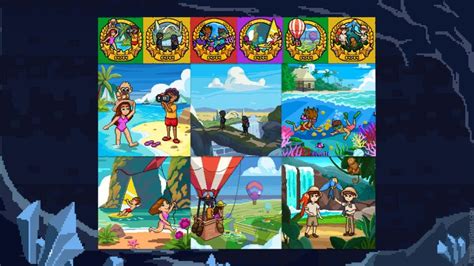
First impressions are almost entirely visual in the gaming world. High-quality screenshots, captivating concept art, and especially a well-produced trailer are non-negotiable. Gamers are drawn to aesthetics that align with their preferences, and a strong visual identity communicates professionalism, artistic vision, and the game’s overall tone before a single word is read.
Your visuals should not only look good but also effectively convey the game’s atmosphere, art style, and core gameplay loop. A trailer, in particular, should be a tightly edited showcase of your game’s best moments, demonstrating gameplay mechanics, narrative hooks, and artistic flair in a concise, impactful manner. Even if the game isn’t fully polished, showcasing an aspirational visual quality can be incredibly powerful.
Demonstrated Gameplay Loop: Show, Don’t Just Tell
Beyond pretty pictures, gamers want to understand what playing your game actually feels like. A pitch must effectively communicate the core gameplay loop – what players will be doing for the majority of their time. Is it satisfying? Engaging? Challenging? Rewarding? Use snippets of actual gameplay (preferably from the most fun or unique moments) to illustrate these points.
Highlight the mechanics that set your game apart. If you have a unique combat system, a innovative puzzle design, or a distinctive exploration mechanic, ensure these are clearly demonstrated. It’s not enough to say your game is ‘fun’; you must show why it’s fun through direct, unedited gameplay footage or clear descriptions of interactive elements.
Developer Passion & Transparency: Building Trust
Indie games often thrive on the personal connection between developers and players. A pitch that conveys genuine passion for the project and a commitment to transparency can significantly boost gamer interest. Sharing insights into your development journey, the inspirations behind your game, and even the challenges you’ve overcome helps build a relatable narrative around your studio and your title.
Be authentic. Gamers appreciate knowing the people behind the games they love. Discussing your vision, your team’s dedication, and your plans for post-launch support (if applicable) can foster a sense of trust and community, making players more invested in your game’s success.
The Playable Demo: The Ultimate Proof of Concept
Perhaps the most crucial element, if feasible, is a playable demo. No amount of words or flashy trailers can fully convey the experience of actually playing a game. A well-crafted demo allows gamers to get their hands on your creation, validating the promises made in your pitch and converting curiosity into genuine excitement.
A demo should be a polished, representative slice of your game, showcasing its core mechanics and unique selling points without giving away too much. It should leave players wanting more, eager for the full release. Offering a demo demonstrates confidence in your product and provides undeniable proof of concept, making it an incredibly powerful tool for grabbing and solidifying gamer interest.
Conclusion
Grabbing gamer interest for an indie spotlight requires more than just a good game; it demands a strategic, compelling pitch. By focusing on a unique core concept, stunning visuals, demonstrated gameplay, developer passion, and ideally, a playable demo, indie developers can significantly increase their chances of standing out in a crowded market. These elements, when combined effectively, create an irresistible allure that transforms casual browsers into dedicated fans eager to experience your unique vision.