Gaming reviews: Strategy for updating scores/content after game patches?

The Ever-Evolving Game Landscape
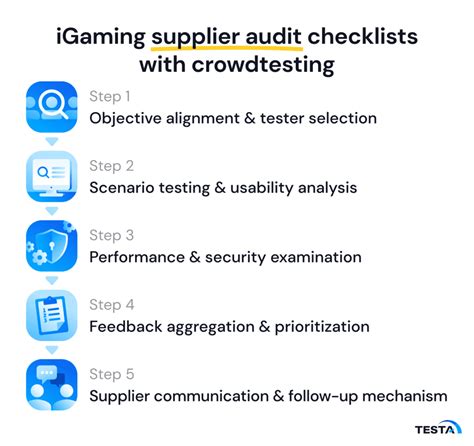
Modern video games are rarely static entities. With the rise of live-service models, early access releases, and developers’ commitment to continuous improvement, games frequently receive patches, updates, and even major expansions long after their initial launch. While beneficial for players, this dynamic environment presents a unique challenge for game reviewers: how to maintain the accuracy and relevance of their scores and content in a constantly shifting landscape?
A review published at launch might quickly become outdated if a crucial bug is fixed, a game-breaking mechanic is rebalanced, or new content fundamentally alters the experience. This dilemma forces review outlets to develop robust strategies for post-patch management, ensuring their readers receive the most current and valuable information.

Why Update Reviews After Patches?
The primary reason for updating reviews is to preserve editorial integrity and reader trust. An outdated review, especially one that no longer accurately reflects the current state of a game, can mislead potential buyers and diminish the credibility of the publication. Furthermore, many players rely on reviews not just for purchasing decisions, but also for understanding the ongoing evolution of titles they already own or are considering revisiting.
Ignoring significant updates would mean that a review for a game that was initially poor but dramatically improved, or vice-versa, would misrepresent its current quality. This directly impacts the utility of the review for the audience.
Strategies for Post-Patch Review Management
1. Addendums and Footnotes
For minor patches or small quality-of-life improvements that don’t fundamentally alter the game’s core experience or score, a simple addendum or footnote at the end of the original review is often sufficient. This allows reviewers to acknowledge changes without a full rewrite, providing quick context for readers.
2. The “Living Review” Model
Some publications adopt a “living review” approach, particularly for live-service games. This involves continuously updating a single review page over time, with clear versioning or timestamps indicating when major sections were revised. The core review might evolve, with new paragraphs, sections, or even re-evaluated scores, making it a comprehensive historical document of the game’s journey.
3. Full Re-Review or Supplementary Content
When a patch or expansion is substantial enough to feel like a completely new experience (e.g., a major content overhaul, an ‘Enhanced Edition’ update, or a complete mechanical rework), a full re-review might be necessary. Alternatively, a separate supplementary article or “Re-review” piece can be published, linking back to the original and discussing how the game has changed since launch. This is often accompanied by an updated score or a new score entirely.

4. Score Adjustment and Transparency
Perhaps the most contentious aspect is score adjustment. While minor patches rarely warrant a score change, significant updates that dramatically improve or worsen a game’s quality might necessitate an alteration. If a score is changed, it is paramount that the reviewer clearly explains the reasoning behind the adjustment, detailing precisely what has changed and its impact on the game experience. Transparency builds trust and helps readers understand the review’s evolution.
The decision to change a score should be made carefully, perhaps with internal editorial guidelines. Some outlets prefer to keep the original score but offer extensive contextual updates, while others believe an updated score provides clearer guidance for current players.

Best Practices for Reviewers
- Clearly State Review Version: Always indicate the game version or patch number the review pertains to, especially for the initial publication and any subsequent updates.
- Document Changes: Keep a clear record of when and why updates were made to a review. This could be in the form of a change log within the article itself.
- Engage with Community Feedback: Monitor player sentiment and discussions regarding patches, as this can highlight areas that warrant reviewer attention.
- Prioritize Impactful Changes: Not every minor hotfix requires a review update. Focus on patches that genuinely alter the game’s core mechanics, narrative, performance, or overall player experience.
Conclusion: Maintaining Credibility in a Dynamic World
The strategy for updating game reviews after patches is not one-size-fits-all, but it is a critical component of modern gaming journalism. By adopting thoughtful and transparent approaches, reviewers can ensure their content remains accurate, relevant, and trustworthy, serving both new players making purchasing decisions and veteran gamers interested in how their favorite titles continue to evolve. Ultimately, adapting to the dynamic nature of video games is essential for maintaining credibility and providing lasting value in the fast-paced world of interactive entertainment.